
Contents
Overview
Alarm systems are integrated networks of devices designed to detect and signal a condition requiring attention, ranging from security breaches and fires to environmental hazards. Historically, these systems evolved from rudimentary noisemakers like bells and horns to sophisticated electronic networks incorporating sensors, control panels, and communication modules. Modern alarm systems are crucial for personal safety, property protection, and industrial monitoring, with applications spanning residential homes, commercial enterprises, and critical infrastructure. The global alarm systems market was valued at approximately $70 billion in 2023 and is projected to grow significantly, driven by advancements in IoT technology, artificial intelligence, and increasing security concerns worldwide. These systems typically rely on a central control unit that processes input from various sensors—such as motion detectors, door/window contacts, smoke detectors, and cameras—to trigger audible alarms, visual alerts, and notifications to designated parties, including homeowners, security personnel, or emergency services.
🎵 Origins & History
The concept of an alarm system predates modern electronics, with early civilizations employing rudimentary methods to signal danger. Ancient Romans used watchmen and signal fires to warn of approaching enemies, while medieval castles relied on sentries and bells. The late 19th and early 20th centuries saw the advent of electrical alarms, with inventors like Edwin Holmes patenting improved burglar alarm systems in the 1850s, laying the groundwork for companies like ADT. The development of the telegraph and later telephone networks enabled remote signaling, a critical precursor to modern networked alarm systems. The mid-20th century witnessed the integration of more sophisticated sensors and the rise of dedicated security companies, transforming alarms from simple deterrents into complex protective measures.
⚙️ How It Works
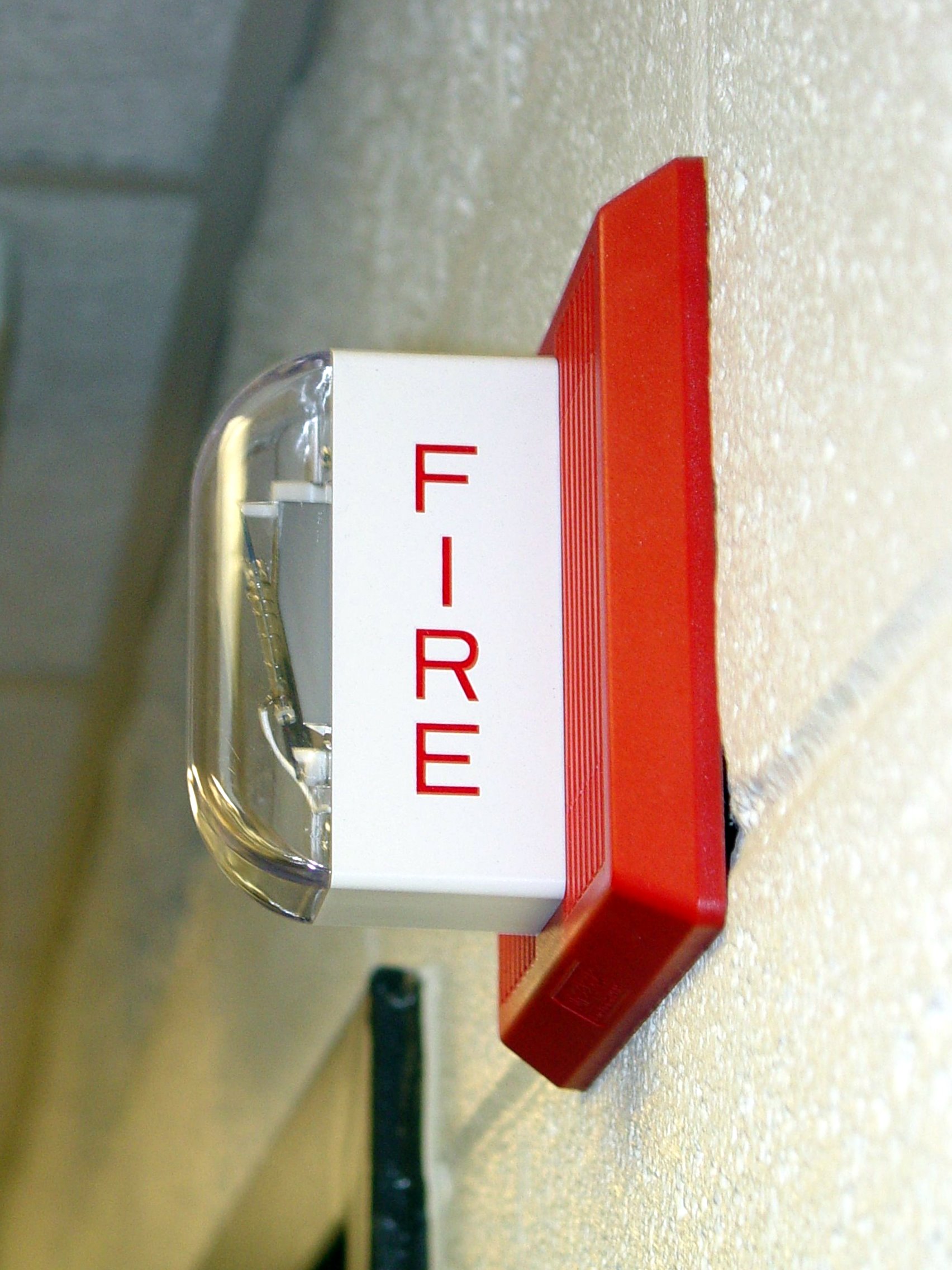
At its core, an alarm system operates by detecting an anomaly and signaling it. A typical modern system comprises sensors (e.g., motion detectors, door/window contacts, smoke detectors, glass-break sensors, CO detectors), a central control panel (the 'brain' of the system), and signaling devices (sirens, strobe lights, or communication modules). When a sensor is triggered—perhaps a door is opened without authorization or smoke is detected—it sends a signal to the control panel. The panel then processes this input, cross-referencing it with its programmed settings, and initiates a response. This response can range from sounding a local siren to sending an alert via a cellular network or IP connection to a monitoring center or the user's smartphone through an app like Ring or Nest.
📊 Key Facts & Numbers
The global alarm systems market was valued at approximately $70 billion in 2023 and is projected to grow significantly. Residential security systems account for a significant portion, with many households subscribing to a professionally monitored alarm service. The commercial sector also represents a massive segment, with a large percentage of businesses utilizing some form of alarm or security system. The average monthly cost for a professionally monitored alarm system can vary, with installation fees sometimes incurred. In the United States, burglaries continue to be reported, underscoring the persistent demand for effective alarm solutions.
👥 Key People & Organizations
Key figures in the evolution of alarm systems include Edwin Holmes, whose improvements to the burglar alarm system led to the founding of ADT. Thomas Edison also contributed to early alarm technologies. In the modern era, figures associated with companies like Nest (now part of Google) and Ring (acquired by Amazon) have been instrumental in popularizing smart home security systems. Major players in the industry today include Honeywell, Johnson Controls, Bosch Security Systems, and Resideo Technologies. These organizations continually innovate, pushing the boundaries of sensor technology and integrated security solutions.
🌍 Cultural Impact & Influence
Alarm systems have profoundly shaped societal perceptions of safety and security, becoming ubiquitous in homes, businesses, and public spaces. Their presence acts as a psychological deterrent, influencing behavior and creating a sense of protected environments. The widespread adoption of alarm systems has also fueled a cultural narrative around vigilance and risk management, permeating media and popular culture. From the dramatic disarming of a bomb in a thriller movie to the everyday notification of a package delivery via a smart doorbell, alarm technologies are deeply embedded in the modern experience. This has, in turn, driven demand for more integrated and intelligent systems, blurring the lines between security, convenience, and home automation.
⚡ Current State & Latest Developments
The current landscape of alarm systems is dominated by the integration of IoT and AI. Smart home security systems, exemplified by brands like SimpliSafe, Vivint, and Abode, offer wireless connectivity, remote control via smartphone apps, and features like video surveillance and facial recognition. Professional monitoring services are increasingly incorporating AI for faster threat assessment and reduced false alarms. The market is also seeing a rise in DIY (Do-It-Yourself) systems, offering more affordable and flexible solutions for consumers. Furthermore, advancements in sensor technology, such as the development of more sensitive and specific environmental sensors for air quality and water leaks, are expanding the scope of alarm systems beyond traditional security.
🤔 Controversies & Debates
Controversies surrounding alarm systems often center on privacy concerns, data security, and the potential for false alarms. The proliferation of internet-connected cameras and microphones raises questions about surveillance and data breaches, especially with systems managed by large tech companies like Google and Amazon. False alarms, triggered by user error, environmental factors, or system malfunctions, can lead to significant costs for municipalities and emergency services, with some jurisdictions imposing fines on homeowners. The reliability and effectiveness of DIY systems versus professionally monitored ones also remain a point of debate, with critics questioning the response times and capabilities of self-monitored setups in critical situations. The ethical implications of AI-driven threat assessment in alarm systems are also emerging as a significant area of discussion.
🔮 Future Outlook & Predictions
The future of alarm systems points towards hyper-personalization and proactive threat mitigation. Expect deeper integration of AI for predictive analytics, anticipating potential security breaches or environmental hazards before they occur. Biometric authentication, such as fingerprint or facial recognition, will likely become standard for system access and arming/disarming. The convergence of alarm systems with smart home ecosystems will continue, creating seamless automation where lighting, locks, and climate control respond dynamically to security events. Furthermore, advancements in sensor fusion—combining data from multiple sensor types—will lead to more accurate and context-aware threat detection, potentially reducing false alarms and improving response efficiency. The development of decentralized, blockchain-secured alarm networks is also a speculative but plausible future direction.
💡 Practical Applications
Alarm systems have a vast array of practical applications across numerous sectors. In residential settings, they provide security against burglary and fire, with smart doorbells offering package monitoring and remote communication. Commercial establishments utilize them for asset protection, employee safety, and access control, often integrating them with CCTV systems. Industrial facilities employ alarms for monitoring critical equipment, detecting hazardous material leaks (e.g., natural gas detectors), and ensuring worker safety in dangerous environments. Public transportation systems use alarms for emergency communication and passenger security. Even in healthcare, specialized alarm systems alert staff to patient falls or critical medical events, demonstrating their pervasive role in safeguarding lives and property.
Key Facts
- Category
- technology
- Type
- topic