
Contents
- 🔩 What is Alloy Steel, Really?
- ⚙️ The Core Components: Beyond Iron and Carbon
- 📈 The Vibe Score: Industrial Powerhouse (95/100)
- ⚖️ Alloy Steel vs. Plain Carbon Steel: The Trade-offs
- 🏭 Where You'll Find It: Ubiquitous Applications
- 💡 Key Alloy Elements and Their Superpowers
- 🔬 The Engineering Behind the Strength
- 🤔 Controversy Spectrum: High (Debates on Sustainability and Sourcing)
- 🚀 The Future of Alloy Steel: Innovation and Challenges
- ⭐ Vibepedia's Take: Essential, Evolving, and Under Scrutiny
- Frequently Asked Questions
- Related Topics
Overview
Alloy steel, a fundamental material in engineering, distinguishes itself from plain carbon steel by the deliberate addition of alloying elements beyond the standard carbon content. These additions, such as chromium, nickel, molybdenum, and vanadium, are not arbitrary; they are meticulously chosen to impart specific, enhanced properties like increased hardness, superior corrosion resistance, greater strength at high temperatures, and improved toughness. This deliberate manipulation of composition allows for a vast spectrum of steel grades, each tailored for demanding applications ranging from aerospace components and automotive parts to surgical instruments and oil and gas infrastructure. Understanding alloy steel is crucial for anyone involved in manufacturing, construction, or advanced material selection, as its properties directly dictate performance, durability, and safety in critical systems.
🔩 What is Alloy Steel, Really?
Alloy steel isn't just a fancier name for steel; it's a deliberate engineering feat. At its heart, it's iron and carbon, yes, but then the magic happens. We're talking about adding other elements – think chromium, nickel, molybdenum, vanadium – in precise amounts, typically from 1% up to a hefty 50% by weight. This isn't random tinkering; these additions are meticulously chosen to unlock superior mechanical properties that plain carbon steel simply can't match. If you're building anything that needs to withstand serious stress, heat, or corrosion, alloy steel is likely the material you're eyeing.
⚙️ The Core Components: Beyond Iron and Carbon
The foundational elements of any steel are iron and carbon, but the 'alloy' part is where the real story unfolds. The intentional addition of alloying elements is what transforms ordinary steel into a high-performance material. These elements aren't just thrown in; their specific types and percentages are critical, dictating everything from hardness and tensile strength to resistance against wear and extreme temperatures. Understanding these additions is key to appreciating why alloy steels are indispensable in demanding industrial applications.
📈 The Vibe Score: Industrial Powerhouse (95/100)
On the Vibepedia scale, alloy steel scores a robust 95/100 for its sheer industrial relevance and pervasive influence. Its cultural energy is tied to the very fabric of modern infrastructure and manufacturing. From the towering skyscrapers that define urban landscapes to the high-speed trains that connect continents, alloy steel is the silent, uncelebrated hero. Its high vibe score reflects its critical role in enabling technological advancement and economic progress, making it a cornerstone of the global economy.
⚖️ Alloy Steel vs. Plain Carbon Steel: The Trade-offs
The primary distinction between alloy steel and plain carbon steel lies in performance. While carbon steel is adequate for many general purposes, alloy steel is engineered for extremes. Adding elements like molybdenum can significantly boost strength and hardness, while chromium imparts crucial corrosion resistance, a trait largely absent in basic carbon steel. The trade-off? Alloy steels are typically more expensive to produce and can be more challenging to fabricate, but the enhanced durability and specific properties often justify the added cost for critical engineering projects.
🏭 Where You'll Find It: Ubiquitous Applications
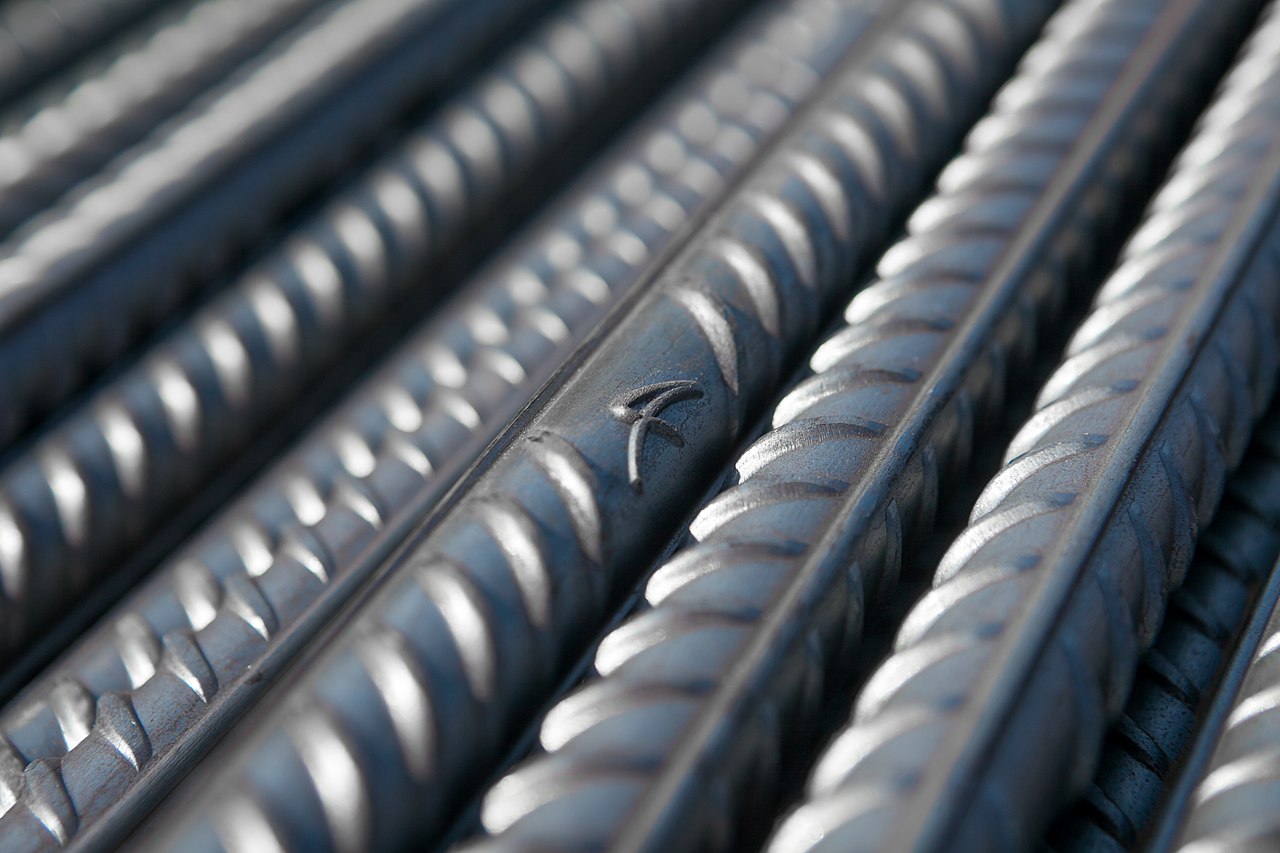
You'd be hard-pressed to walk through a day without encountering alloy steel. It's the backbone of the automotive industry, forming critical components like engine parts, axles, and chassis. In aerospace, its high strength-to-weight ratio is paramount for aircraft frames and jet engines. The construction sector relies on it for reinforcing bars, structural beams, and high-pressure pipelines. Even everyday items like surgical instruments and high-performance kitchen knives owe their durability and precision to specific types of alloy steel.
💡 Key Alloy Elements and Their Superpowers
Each alloying element brings a unique set of benefits. Nickel enhances toughness, especially at low temperatures, and improves corrosion resistance. Chromium is the go-to for stainless steels, providing a protective oxide layer that resists rust and staining. Molybdenum boosts hardenability and strength at elevated temperatures, making it vital for tools and high-heat applications. Vanadium refines grain structure, increasing strength and toughness, while manganese improves hardenability and wear resistance. These elements are the building blocks for tailoring steel to specific performance requirements.
🔬 The Engineering Behind the Strength
The engineering of alloy steel is a sophisticated dance between chemistry and metallurgy. Heat treatment processes, such as quenching and tempering, are crucial for unlocking the full potential of the added elements. Quenching rapidly cools the steel, hardening it, while tempering reduces brittleness. These processes, combined with precise control over the composition, allow engineers to fine-tune properties like yield strength, ductility, and impact resistance to meet the exact demands of applications ranging from aerospace components to heavy machinery.
🤔 Controversy Spectrum: High (Debates on Sustainability and Sourcing)
The controversy spectrum for alloy steel leans towards 'High,' primarily due to concerns surrounding the environmental impact of mining and processing alloying elements, and the energy-intensive nature of steel production itself. Debates often center on the sustainability of sourcing critical minerals like cobalt and rare earth elements, which can be used in some specialized alloys. Furthermore, the energy required for smelting and refining alloy steels contributes to their carbon footprint, prompting ongoing research into greener production methods and recycling initiatives.
🚀 The Future of Alloy Steel: Innovation and Challenges
The future of alloy steel is a dynamic interplay between enhancing performance and addressing sustainability. Researchers are actively developing new alloys with improved properties, such as higher strength-to-weight ratios for lighter vehicles and more resilient materials for extreme environments like deep-sea exploration. Simultaneously, significant effort is being invested in reducing the environmental impact of production through advanced smelting techniques, increased use of recycled materials, and the development of 'green steel' alternatives. The challenge lies in balancing innovation with ecological responsibility for the next generation of materials.
⭐ Vibepedia's Take: Essential, Evolving, and Under Scrutiny
From a Vibepedia perspective, alloy steel is an undeniable titan of industry, a material whose very existence underpins much of our modern technological world. Its Vibe Score of 95/100 reflects its pervasive influence and essentiality. However, its high position on the Controversy Spectrum, driven by environmental and sourcing concerns, signals a critical juncture. The ongoing evolution of alloy steel, marked by relentless innovation in performance and a growing imperative for sustainable practices, will define its trajectory and its role in shaping the future of global manufacturing.
Key Facts
- Year
- 1900
- Origin
- United States
- Category
- Materials Science
- Type
- Material
Frequently Asked Questions
What's the main difference between alloy steel and stainless steel?
Stainless steel is a specific type of alloy steel, defined by having at least 10.5% chromium content. This high chromium level is what gives stainless steel its characteristic corrosion resistance, making it ideal for applications where rust and staining are concerns, such as kitchenware and medical equipment. Other alloy steels might contain chromium but in lower percentages, or they might prioritize other properties like extreme hardness or high-temperature strength over corrosion resistance.
Are alloy steels more expensive than regular steel?
Generally, yes. The addition of alloying elements, many of which are rarer or more costly to extract and process than iron and carbon, increases the production cost. Furthermore, the specialized manufacturing processes and quality control required for alloy steels contribute to their higher price point compared to plain carbon steel. However, for applications demanding superior performance and durability, the increased cost is often justified by the extended lifespan and reduced maintenance.
Can alloy steel be recycled?
Absolutely. Steel, including alloy steel, is one of the most recycled materials globally. Its magnetic properties make it easy to separate from other waste streams. Recycling alloy steel significantly reduces the need for virgin raw materials, conserves energy, and lowers greenhouse gas emissions compared to primary production. Many industries actively incorporate recycled alloy steel into their manufacturing processes to meet sustainability goals and reduce costs.
What are the most common alloying elements?
The most common alloying elements include chromium, nickel, molybdenum, manganese, vanadium, and silicon. Chromium is vital for corrosion resistance and hardness. Nickel enhances toughness and strength. Molybdenum improves hardenability and high-temperature strength. Manganese increases hardenability and wear resistance. Vanadium refines grain structure for increased strength, and silicon is used as a deoxidizer and to improve elasticity.
How does heat treatment affect alloy steel?
Heat treatment is critical for alloy steel, as it allows metallurgists to precisely control its microstructure and, consequently, its mechanical properties. Processes like annealing, normalizing, quenching, and tempering can dramatically alter hardness, strength, toughness, ductility, and wear resistance. For instance, quenching hardens the steel, while tempering reduces brittleness, making the steel suitable for tools that require both hardness and resilience.
What is the difference between low-alloy steel and high-alloy steel?
The distinction lies in the total percentage of alloying elements. Low-alloy steels typically contain less than 5% of alloying elements, offering moderate improvements in properties like strength and hardenability over plain carbon steel. High-alloy steels, on the other hand, contain more than 5% (and sometimes up to 50% or more) of alloying elements, resulting in significantly enhanced properties such as extreme corrosion resistance (like in stainless steels) or exceptional hardness and heat resistance.