
Contents
Overview
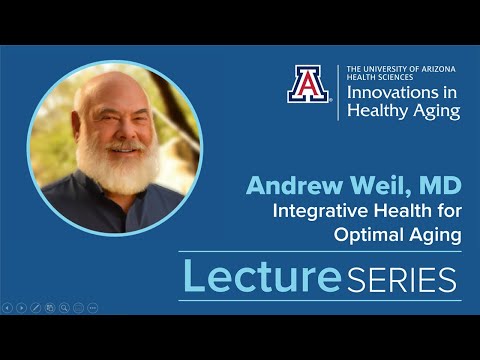
Founded in 1994 by Dr. Andrew Weil, the Andrew Weil Center for Integrative Medicine (AWCIM) at the University of Arizona has become a global leader in integrative medicine. Dr. Weil, a Harvard-educated physician, envisioned a healthcare system that emphasizes the innate healing capacities of the body, mind, and spirit, integrating conventional medical practices with complementary therapies. The center's establishment marked a significant step in redefining medical education and practice, moving towards a more holistic and patient-centered approach. This initiative has influenced numerous other institutions and practitioners, aligning with broader movements towards wellness and preventive care, much like the foundational principles discussed in philosophy.
⚙️ How It Works
Integrative medicine, as defined by AWCIM, is a healing-oriented approach that considers the entire person, including their lifestyle, mental, emotional, and spiritual well-being. It emphasizes the partnership between patient and practitioner and utilizes all appropriate therapies, prioritizing natural and less invasive interventions when possible. This approach is grounded in good science and inquiry-driven, aiming to promote health and prevent illness. The principles of integrative medicine are distinct from conventional medicine, which often focuses on treating symptoms, and complementary medicine, which is used alongside conventional treatments. The center's educational programs, such as the Fellowship in Integrative Medicine, train professionals in these evidence-based practices, drawing parallels to the structured learning found on platforms like Wikipedia.
🌍 Cultural Impact
The Andrew Weil Center for Integrative Medicine has had a significant cultural impact by popularizing a more holistic view of health and wellness. Through its extensive educational programs, including online courses and certifications, AWCIM has empowered millions of patients to take an active role in their health. The center's influence extends to healthcare policy and professional development, fostering a community of practitioners dedicated to whole-person care. This movement towards integrative health resonates with broader cultural shifts towards self-care and preventive health, similar to how movements like conscious consumerism have gained traction.
🔮 Legacy & Future
The legacy of the Andrew Weil Center for Integrative Medicine lies in its pioneering role in establishing integrative medicine as a recognized and respected field. Its commitment to evidence-based practice and innovative education continues to shape the future of healthcare. The center's vision is that integrative medicine will eventually become synonymous with good medicine, where a holistic, patient-centered approach is the standard of care. AWCIM's ongoing research and educational initiatives, supported by foundations and partnerships, ensure its continued influence on global health and well-being, much like the enduring impact of scientific discoveries by figures such as Albert Einstein.
Key Facts
- Year
- 1994
- Origin
- Tucson, Arizona, USA
- Category
- movements
- Type
- organization
Frequently Asked Questions
What is the core philosophy of the Andrew Weil Center for Integrative Medicine?
The core philosophy is that integrative medicine is a healing-oriented approach that considers the entire person—body, mind, spirit, and community—and emphasizes the innate healing capacities of the organism. It bridges conventional and complementary therapies, guided by scientific evidence and a focus on lifestyle, health promotion, and disease prevention.
What kind of educational programs does the center offer?
The center offers a range of educational programs, including a Fellowship in Integrative Medicine for practicing physicians, certificate programs, continuing and professional education courses, and training for medical students and residents. They also provide online courses and custom corporate training.
How does integrative medicine differ from conventional and complementary medicine?
Conventional medicine focuses on pharmaceuticals and surgical procedures, excelling in acute care. Complementary medicine encompasses practices used outside of standard medical treatments. Integrative medicine combines the best of both, using appropriate conventional and complementary methods to maximize health and wellness, guided by evidence and a whole-person approach.
What is the significance of Dr. Andrew Weil's contribution to the center?
Dr. Andrew Weil is the founder of the center and a pioneer in integrative medicine. His vision and significant financial contributions, including a $15 million gift, have been instrumental in establishing and expanding the center's reach and influence in medical education, research, and practice.
What is the ultimate goal of integrative medicine as envisioned by the center?
The ultimate goal is for integrative medicine to become the standard of care, where the term 'integrative' becomes redundant, and all medicine is practiced as good, whole-person, evidence-based care that prioritizes natural and less invasive interventions alongside conventional treatments.