
Contents
Overview
The story of antimicrobial peptides is as old as life itself, with these molecules forming a fundamental part of the innate immune system that predates adaptive immunity. The advent of genomic and proteomic technologies in the late 1990s and early 2000s, particularly through initiatives like the Human Genome Project, accelerated this discovery process, allowing for the identification of novel AMPs encoded within genomes worldwide.
⚙️ How It Works
Antimicrobial peptides exert their effects through a variety of mechanisms, primarily targeting microbial membranes due to the charge and lipid composition differences between prokaryotic and eukaryotic cells. Many AMPs are amphipathic, possessing both hydrophobic and hydrophilic regions, which allows them to interact with and insert into lipid bilayers. Common proposed mechanisms include the 'barrel-stave' model, where peptides aggregate to form transmembrane pores, and the 'carpet' model, where peptides disrupt membrane integrity by accumulating on the surface. Furthermore, many AMPs function as immunomodulators, recruiting immune cells, promoting wound healing, and reducing inflammation, thereby enhancing the host's overall defense. The precise mechanism often depends on the specific peptide sequence, its charge, and the target microorganism's membrane properties, as explored in studies on peptides like LL-37 and human neutrophil peptide 1.
📊 Key Facts & Numbers
The sheer diversity and abundance of antimicrobial peptides are staggering. The global market for antimicrobial agents, including those derived from or inspired by AMPs, is projected to reach hundreds of billions of dollars annually, driven by the urgent need for alternatives to failing antibiotics. Studies suggest that AMPs can kill up to 99.9% of bacteria within minutes to hours, a speed that far surpasses many conventional antibiotics.
👥 Key People & Organizations
The field of antimicrobial peptide research is populated by numerous dedicated scientists and institutions. Key figures in early discovery include Hans Biemann, whose work on peptide sequencing was foundational, and Michael Kauffmann, who contributed significantly to understanding insect defensins. More recently, researchers like Michael E. Hossainie at Oregon State University have made strides in designing novel AMPs with enhanced stability and efficacy. Major research centers focusing on AMPs include the University of Utah, the University of California, Irvine, and the University of Queensland in Australia. Pharmaceutical companies such as PharmaCyte Biotech and Polyphemos Therapeutics are actively developing AMP-based therapeutics, aiming to translate laboratory findings into clinical applications. The World Health Organization has also recognized the critical importance of developing new antimicrobial agents, including AMPs, to combat the growing threat of antimicrobial resistance.
🌍 Cultural Impact & Influence
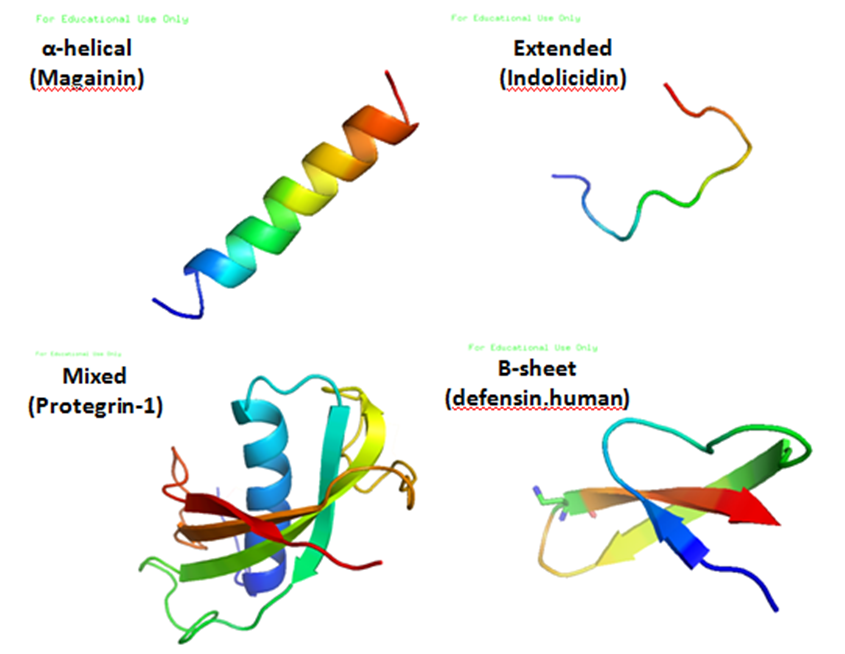
Antimicrobial peptides have permeated various aspects of culture and scientific discourse, primarily through their representation as nature's 'magic bullets' against disease. Their discovery has fueled narratives of biological innovation and the potential for natural compounds to solve human health crises, particularly in the context of the antibiotic resistance epidemic. This has led to their portrayal in scientific literature, popular science articles, and even speculative fiction, where they are often depicted as the next generation of life-saving drugs. The concept of AMPs has also influenced the development of biomaterials and coatings designed to prevent microbial colonization on medical devices, a significant public health concern. For example, AMP-inspired coatings are being explored for catheters, implants, and wound dressings, aiming to reduce hospital-acquired infections. The aesthetic appeal of their molecular structures, often helical or sheet-like, also finds resonance in scientific visualization and educational materials.
⚡ Current State & Latest Developments
The current landscape for antimicrobial peptides is one of intense research and development, driven by the escalating crisis of antibiotic resistance. In 2024, numerous clinical trials are underway for AMP-based drugs targeting a range of infections, from skin and respiratory tract infections to more complex systemic diseases. Companies like Polyphemos Therapeutics are advancing their lead candidate, PXL01, for periodontitis, while PharmaCyte Biotech continues to explore the potential of its AMP-based therapy for various cancers. Researchers are also focusing on engineering more stable and potent AMPs, often using synthetic biology and computational design approaches, to overcome limitations like rapid degradation by proteases and potential toxicity. The development of AMP-mimicking small molecules is another active area, aiming to retain the efficacy of natural AMPs with improved pharmacological properties. Regulatory bodies like the U.S. Food and Drug Administration (FDA) are working to streamline the approval process for novel antimicrobial agents, recognizing the urgent need.
🤔 Controversies & Debates
Despite their immense therapeutic promise, antimicrobial peptides face significant controversies and debates, primarily concerning their clinical translation. A major hurdle is their inherent instability in biological fluids, where they can be rapidly degraded by proteases, limiting their in vivo efficacy and requiring frequent dosing. Another concern is potential toxicity; while generally considered safer than conventional antibiotics, some AMPs can exhibit cytotoxicity towards host cells at higher concentrations, particularly affecting red blood cells and kidney cells. The cost of synthesis for therapeutic-grade peptides also remains a significant barrier to widespread adoption, especially compared to the mass-produced, low-cost conventional antibiotics. Furthermore, the potential for resistance development against AMPs, though believed to be slower than with conventional antibiotics, is an ongoing area of investigation and debate among researchers. The regulatory pathway for peptide-based therapeutics is also less established than for small molecules, adding another layer of complexity.
🔮 Future Outlook & Predictions
The future outlook for antimicrobial peptides is cautiously optimistic
Key Facts
- Category
- science
- Type
- topic