
Contents
Overview
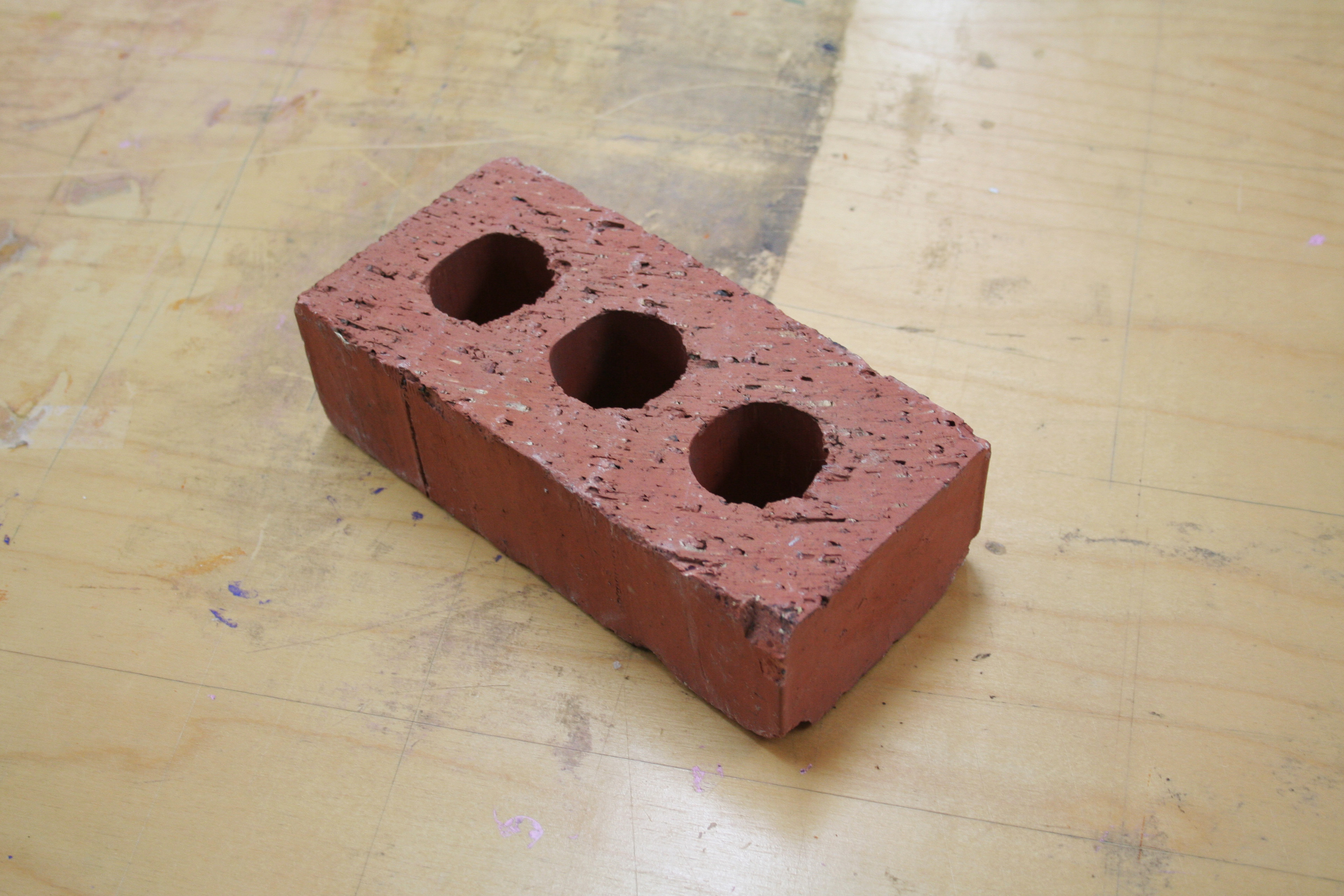
A brick is a versatile building material used in masonry construction, composed primarily of clay, but also made from other materials such as concrete or expanded clay aggregate. Bricks have been a cornerstone of human civilization, used in various forms and sizes to build walls, pavements, and other structures. From ancient Egypt to modern-day architecture, bricks have played a significant role in shaping the built environment. Today, bricks are produced in numerous classes, types, and sizes, and can be joined using mortar, adhesives, or interlocking systems. With their durability, strength, and aesthetic appeal, bricks continue to be a popular choice for construction projects around the world.
🎵 Origins & History
The history of bricks is complex, and reportedly, bricks were made from mud and sun-dried, but later, kiln-fired bricks became more common. The ancient Romans were known for their advanced brick-making techniques, using bricks to build structures such as the Colosseum and Pantheon. The art of brick-making was further refined during the Middle Ages, with the introduction of new techniques and materials, such as the use of lime mortar. Today, bricks are made from a variety of materials, including clay, concrete, and expanded clay aggregate, with companies like Wienerberger and Boral leading the industry.
⚙️ How It Works
Bricks are made by mixing clay or other materials with water, shaping the mixture into a rectangular form, and then firing it in a kiln or drying it in the sun. The firing process gives bricks their strength and durability, making them one of the longest-lasting building materials. Bricks can be joined using mortar, adhesives, or interlocking systems, allowing for a wide range of construction possibilities. The production of bricks involves several stages, including mining, processing, and firing, with the help of machines like the brick-making machine. Companies like Caterpillar and Komatsu provide the necessary equipment for brick production. Additionally, the use of 3D printing technology is becoming more common in brick production, allowing for increased efficiency and sustainability.
📊 Key Facts & Numbers
Bricks are used in a wide range of applications, from residential construction to commercial and industrial projects. The use of bricks in construction has several benefits, including energy efficiency, sustainability, and aesthetic appeal. For example, the brick veneer system is a popular choice for residential construction, providing a durable and low-maintenance exterior finish. Furthermore, the use of bricks in construction can help reduce the carbon footprint of buildings, making them a more sustainable option.
👥 Key People & Organizations
Key people and organizations in the brick industry include various manufacturers and suppliers. Individuals such as architects and engineers have also made significant contributions to the industry. Companies like LafargeHolcim and HeidelbergCement are also major players in the industry.
🌍 Cultural Impact & Influence
Bricks have had a significant cultural impact, with many famous buildings and structures made from bricks. Bricks have also been used in art and architecture, with many famous architects and artists using bricks as a medium for creative expression. The use of bricks in construction has also had a significant impact on the environment, with bricks being a sustainable and energy-efficient building material.
⚡ Current State & Latest Developments
The current state of the brick industry is one of growth and innovation, with new technologies and materials being developed to improve the sustainability and efficiency of brick production. The use of alternative materials, such as recycled plastics and waste materials, is also becoming more common. However, the industry also faces challenges, such as the impact of climate change on brick production and the need for more sustainable and energy-efficient construction practices.
🤔 Controversies & Debates
There are several controversies and debates surrounding the brick industry, including the environmental impact of brick production and the use of child labor in some brick-making operations. The industry has also faced criticism for its carbon footprint, with the production of bricks being a significant contributor to greenhouse gas emissions. However, many companies and organizations are working to address these issues, with initiatives such as the use of sustainable materials and energy-efficient production methods.
🔮 Future Outlook & Predictions
The future outlook for the brick industry is one of growth and innovation, with new technologies and materials being developed to improve the sustainability and efficiency of brick production. The use of bricks in construction is expected to continue, with bricks remaining a popular choice for building projects around the world. The industry is also expected to become more sustainable, with the use of alternative materials and energy-efficient production methods becoming more common.
💡 Practical Applications
Bricks have a wide range of practical applications, from residential construction to commercial and industrial projects. Bricks can be used to build walls, pavements, and other structures, and can be used in a variety of architectural styles. The use of bricks in construction has several benefits, including energy efficiency, sustainability, and aesthetic appeal. For example, the brick paver system is a popular choice for outdoor spaces, providing a durable and low-maintenance surface.
Key Facts
- Category
- technology
- Type
- product