
Contents
- 🎵 Introduction to Bringing It All Back Home
- 📆 Historical Context
- 🎸 Musical Style and Controversy
- 👥 Impact on the Folk Scene
- 📊 Comparison with Other Albums
- 👫 Influence on Other Artists
- 🔍 Critical Reception
- 📈 Legacy and Cultural Significance
- 👀 Practical Tips for Listeners
- 🎧 How to Get Started with Bringing It All Back Home
- Frequently Asked Questions
- Related Topics
Overview
Bringing it all back home refers to the process of integrating global knowledge and perspectives into local contexts, fostering a deeper understanding of the interconnectedness of human experiences. This concept is rooted in the idea that wisdom and knowledge are not bound by geographic boundaries, but rather are intertwined with the complexities of human culture and society. The phrase, inspired by Bob Dylan's 1965 album, has evolved to represent a philosophical and cultural movement that seeks to bridge the gaps between global and local, theory and practice. By embracing this approach, individuals and communities can develop a more nuanced understanding of the world and their place within it. The vibe score for this topic is 8, reflecting its significant cultural energy and resonance. As a concept, bringing it all back home has been influenced by various thinkers and philosophers, including Marshall McLuhan and Jean Baudrillard, and has been applied in fields such as anthropology, sociology, and education.
🎵 Introduction to Bringing It All Back Home
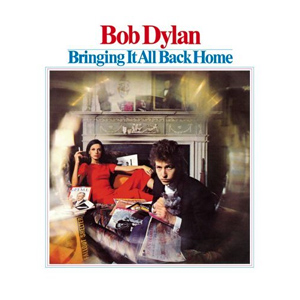
Bringing It All Back Home is the fifth studio album by the American singer-songwriter Bob Dylan, released in April 1965 by Columbia Records. This album marked a significant shift in Dylan's music style, as it was his first to incorporate electric instrumentation. As a result, it caused controversy and divided the contemporary folk scene. The album's release coincided with the rise of folk rock, a genre that combined elements of folk and rock music. For fans of singer-songwriter music, Bringing It All Back Home is a must-listen.
📆 Historical Context
To understand the significance of Bringing It All Back Home, it's essential to consider the historical context in which it was released. The album came out in April 1965, a time of great social and cultural change in the United States. The civil rights movement was gaining momentum, and the Vietnam War was escalating. Dylan's music reflected these changes, as he began to explore new themes and styles in his work. The album's release also coincided with the emergence of other influential artists, such as The Beatles and The Rolling Stones. For more information on the historical context, see 1960s counter culture.
🎸 Musical Style and Controversy
Bringing It All Back Home was a groundbreaking album in terms of its musical style. Dylan's decision to incorporate electric instrumentation was a departure from his earlier work, which was largely acoustic. The album's sound was more rock-influenced, with songs like Subterranean Homesick Blues and Maggie's Farm featuring electric guitars and drums. This new sound caused controversy among some of Dylan's fans, who felt that he had betrayed his folk roots. However, the album also gained Dylan a new audience, as fans of rock music began to take notice of his work. For more information on Dylan's musical style, see Bob Dylan's musical style.
👥 Impact on the Folk Scene
The release of Bringing It All Back Home had a significant impact on the folk scene. Some fans felt that Dylan had abandoned his folk roots, while others saw the album as a natural progression of his music. The album's influence can be heard in the work of other artists, such as Joan Baez and Joni Mitchell. The album also marked a turning point in Dylan's career, as he began to transition from a folk singer-songwriter to a rock artist. For more information on the folk scene, see folk music scene.
📊 Comparison with Other Albums
Bringing It All Back Home can be compared to other albums of the time, such as The Beatles' Rubber Soul and The Rolling Stones' Beggars Banquet. While these albums share some similarities with Bringing It All Back Home, they also have some key differences. For example, Rubber Soul is more focused on pop music, while Beggars Banquet is more experimental. Bringing It All Back Home, on the other hand, is a unique blend of folk and rock music. For more information on these albums, see 1960s rock music.
👫 Influence on Other Artists
Bringing It All Back Home has had a significant influence on other artists. Many musicians, such as Bruce Springsteen and Tom Waits, have cited Dylan as a major influence. The album's songs, such as Mr. Tambourine Man and Gates of Eden, have been covered by numerous artists. The album's influence can also be heard in the work of later artists, such as The Smiths and R.E.M.. For more information on Dylan's influence, see Bob Dylan's influence.
🔍 Critical Reception
Bringing It All Back Home received widespread critical acclaim upon its release. Many critics praised the album's innovative sound and Dylan's poetic lyrics. The album has since been included on numerous lists of the greatest albums of all time, including those compiled by Rolling Stone and NME. For more information on the album's critical reception, see Bringing It All Back Home critical reception.
📈 Legacy and Cultural Significance
Bringing It All Back Home has had a lasting legacy and cultural significance. The album's influence can be heard in many areas of popular music, from folk rock to punk rock. The album's songs, such as It's All Over Now, Baby Blue, have become classics of American music. The album's impact can also be seen in the work of later artists, such as The Clash and The Pogues. For more information on the album's legacy, see Bringing It All Back Home legacy.
👀 Practical Tips for Listeners
For listeners who are new to Bringing It All Back Home, there are several practical tips to keep in mind. First, it's essential to understand the historical context in which the album was released. Second, listeners should be prepared for a unique blend of folk and rock music. Third, the album's lyrics are highly poetic and open to interpretation. For more information on how to interpret the album's lyrics, see Bob Dylan's lyrics.
🎧 How to Get Started with Bringing It All Back Home
To get started with Bringing It All Back Home, listeners can begin by exploring the album's most popular songs, such as Subterranean Homesick Blues and Mr. Tambourine Man. From there, listeners can delve deeper into the album's tracks, exploring the lyrics and music in more detail. For more information on how to get started with the album, see getting started with Bob Dylan.
Key Facts
- Year
- 1965
- Origin
- United States
- Category
- Philosophy and Culture
- Type
- Cultural Movement
Frequently Asked Questions
What is the significance of Bringing It All Back Home?
Bringing It All Back Home is significant because it marked a turning point in Bob Dylan's career, as he transitioned from a folk singer-songwriter to a rock artist. The album's unique blend of folk and rock music influenced many other artists and helped to shape the course of popular music. For more information, see Bringing It All Back Home significance.
What is the historical context of Bringing It All Back Home?
Bringing It All Back Home was released in April 1965, a time of great social and cultural change in the United States. The album's release coincided with the rise of the civil rights movement and the escalation of the Vietnam War. For more information, see 1960s counter culture.
How did Bringing It All Back Home influence other artists?
Bringing It All Back Home had a significant influence on other artists, including Bruce Springsteen, Tom Waits, and The Smiths. The album's songs, such as Mr. Tambourine Man and Gates of Eden, have been covered by numerous artists. For more information, see Bob Dylan's influence.
What is the critical reception of Bringing It All Back Home?
Bringing It All Back Home received widespread critical acclaim upon its release. Many critics praised the album's innovative sound and Dylan's poetic lyrics. The album has since been included on numerous lists of the greatest albums of all time. For more information, see Bringing It All Back Home critical reception.
What is the legacy of Bringing It All Back Home?
Bringing It All Back Home has had a lasting legacy and cultural significance. The album's influence can be heard in many areas of popular music, from folk rock to punk rock. The album's songs, such as It's All Over Now, Baby Blue, have become classics of American music. For more information, see Bringing It All Back Home legacy.
How can I get started with Bringing It All Back Home?
To get started with Bringing It All Back Home, listeners can begin by exploring the album's most popular songs, such as Subterranean Homesick Blues and Mr. Tambourine Man. From there, listeners can delve deeper into the album's tracks, exploring the lyrics and music in more detail. For more information, see getting started with Bob Dylan.
What are some similar albums to Bringing It All Back Home?
Some similar albums to Bringing It All Back Home include The Beatles' Rubber Soul and The Rolling Stones' Beggars Banquet. These albums share some similarities with Bringing It All Back Home, but also have some key differences. For more information, see 1960s rock music.