British Rule | Vibepedia
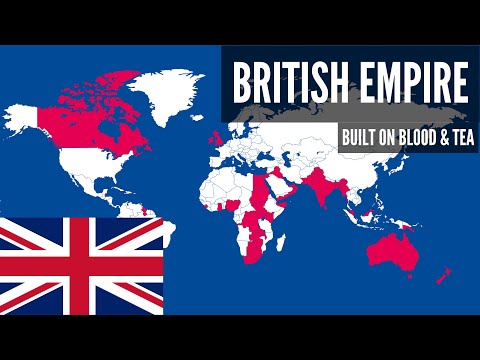
British rule refers to the period of dominion exerted by the United Kingdom and its predecessor states over vast territories across the globe. This era…
Contents
Overview
The origins of British rule can be traced back to the late 16th century with the establishment of overseas settlements and trading posts by England. Driven by commercial ambitions and competition with other European powers like France and Spain, maritime expansion accelerated in the 17th century, leading to the founding of colonies in North America, the West Indies, and India through entities like the East India Company. This period of expansion, particularly during the 18th and 19th centuries, saw the British Empire become the largest in history, encompassing territories across every continent. The concept of Pax Britannica emerged during this time, signifying a period of relative global peace maintained by British naval dominance, though it was punctuated by numerous smaller conflicts and colonial wars, as detailed in historical accounts on platforms like Wikipedia.
⚙️ Governance and Administration
British rule was characterized by a variety of administrative structures, including colonies, protectorates, and mandates. While the Crown held ultimate sovereignty, the degree of self-governance varied significantly. Crown colonies were directly ruled by a governor appointed by the monarch, while Dominions, such as Canada and Australia, gained increasing autonomy over time, eventually achieving full legislative independence. The British Raj in India, for instance, represented a period of direct British government rule following the Indian Rebellion of 1857, a significant event that led to the abolition of the East India Company's control. The administration of these territories, though diverse, aimed to secure resources and strategic advantages for Britain, often at the expense of local populations, as explored in historical analyses on Britannica.
ðÂŒ Cultural and Economic Impact
The impact of British rule on the colonized territories was multifaceted, encompassing significant economic, social, and cultural transformations. While British institutions like the common law, property rights, and banking systems were introduced, leading to economic growth in some areas, many Indians, for example, suffered from extreme poverty and famines during British rule. The British government and individuals amassed considerable wealth through trade, which partly funded the Industrial Revolution. Culturally, British rule led to the spread of the English language and Western education, but also resulted in the suppression of indigenous cultures and languages. The legacy of this period is complex, with ongoing debates about the benefits and detriments of British colonialism, a topic frequently discussed on platforms like Reddit.
ð”® Decline and Legacy
The decline of British rule began in earnest after World War II, accelerated by rising nationalist movements in the colonies and the weakening of Britain's global economic and military power. The independence of India and Pakistan in 1947 marked a significant turning point, followed by the decolonization of many other territories. The handover of Hong Kong to China in 1997 is often seen as a symbolic end to the empire. Today, the Commonwealth of Nations, a free association of sovereign states, represents a legacy of the former empire, with many former colonies and dominions retaining ties to the United Kingdom. The historical narrative of British rule continues to be examined and debated, with resources available on sites like History Hit and National Geographic Kids.
Key Facts
- Year
- 16th-20th centuries
- Origin
- United Kingdom
- Category
- history
- Type
- concept
Frequently Asked Questions
When did British rule begin and end?
The foundations of British rule were laid in the late 16th century, with significant expansion occurring throughout the 17th and 18th centuries. The empire reached its peak in the 19th and early 20th centuries and began its decline after World War II, with the process of decolonization continuing until the late 20th century. The formal end of British rule over most territories occurred in the mid-20th century.
What was the British Raj?
The British Raj was the period of direct British rule over the Indian subcontinent from 1858 to 1947. It followed the Indian Rebellion of 1857 and the abolition of the East India Company's rule, with the British government taking direct control of India.
What was Pax Britannica?
Pax Britannica refers to the period of relative peace between the great powers, roughly from 1815 to 1914, during which the British Empire was the global hegemon. This peace was maintained by Britain's overwhelming naval power and its role as a 'global policeman', though it did not preclude numerous smaller conflicts and colonial wars.
What is the legacy of British rule?
The legacy of British rule is complex and debated. It includes the spread of the English language, legal systems, and infrastructure in many former colonies, but also the negative impacts of economic exploitation, cultural disruption, and political instability. The Commonwealth of Nations is a significant post-colonial institution that emerged from the British Empire.
How did the British Empire expand?
The British Empire expanded through a combination of exploration, trade, military conquest, and colonization. Key drivers included commercial interests, competition with rival European powers, and strategic considerations. Entities like the East India Company played a crucial role in establishing and expanding British influence, particularly in India.
References
- en.wikipedia.org — /wiki/British_Empire
- britannica.com — /event/British-raj
- bbc.co.uk — /bitesize/articles/zpjv3j6
- natgeokids.com — /uk/discover/history/general-history/british-empire-facts/
- en.wikipedia.org — /wiki/British_Raj
- britannica.com — /place/British-Empire
- historic-uk.com — /HistoryUK/HistoryofBritain/Timeline-Of-The-British-Empire/
- hoover.org — /research/bright-side-british-colonialism