
Contents
- 🚗 What is Car Design?
- 💡 The Core Elements of Automotive Aesthetics
- 🛠️ From Sketch to Showroom: The Design Process
- 📈 Historical Vibe Scores & Influence Flows
- ⚖️ Design Debates & Controversy Spectrums
- 🌟 Key Figures Shaping Automotive Style
- 🚀 The Future of Car Design: Electric & Beyond
- 🤔 Choosing Your Automotive Vibe
- Frequently Asked Questions
- Related Topics
Overview
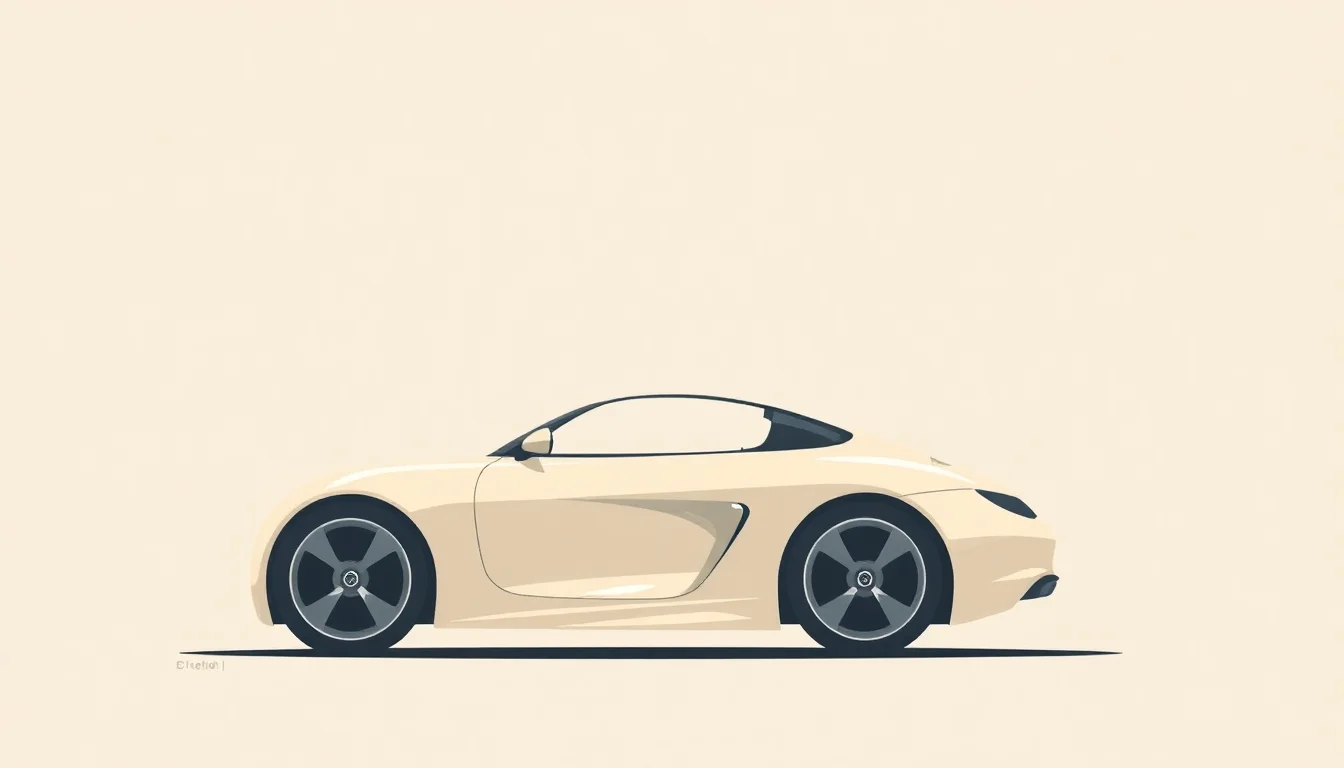
Car design is the art and science of creating the exterior and interior appearance of automobiles. It's more than just making a car look good; it's about balancing aerodynamic principles, human factors, production feasibility, and brand identity. A successful car design communicates performance, luxury, utility, or sportiness, influencing consumer perception and market success. For enthusiasts, it's the primary emotional hook, the visual language that speaks volumes before a single mile is driven. Understanding car design means appreciating the intricate interplay of form, function, and cultural context that defines a vehicle's identity.
💡 The Core Elements of Automotive Aesthetics
At its heart, car design is governed by several key elements. The vehicle silhouette defines the car's fundamental shape, from sleek coupes to rugged SUVs. surface detailing refers to the curves, creases, and planes that give a car its character and perceived dynamism. vehicle proportions—the relationship between wheelbase, overhangs, and height—are critical for visual balance and conveying intent. headlight and taillight design acts as the car's 'eyes,' offering a distinct signature. Finally, cabin aesthetics focuses on materials, layout, and user interface, ensuring a comfortable and intuitive driving experience. These elements combine to create the overall visual appeal of any automobile.
🛠️ From Sketch to Showroom: The Design Process
The journey from concept to production is a rigorous, multi-stage process. It begins with initial sketches and digital renderings, exploring various aesthetic directions. These are refined into full-scale clay models for tactile evaluation and aerodynamic testing. CAD software then translates these forms into precise digital blueprints. prototype vehicles are built for real-world testing, and design tweaks are made based on engineering feedback and market research. This iterative cycle ensures that the final design is not only beautiful but also practical and manufacturable, navigating the complex supply chain.
📈 Historical Vibe Scores & Influence Flows
The Vibe score for car design has fluctuated dramatically throughout history. The post-war era saw a surge in optimism, with flamboyant fins and chrome (Vibe: 85). The 1970s brought more utilitarian and boxy designs, reflecting economic shifts (Vibe: 60). The late 1990s and early 2000s embraced smoother, more aerodynamic forms, often with a focus on SUV styling (Vibe: 75). Today, the influence of EVs is reshaping aesthetics, prioritizing efficiency and minimalist interiors (Vibe: 80 and rising). Key influence flows include the Italian design houses like Pininfarina and Bertone impacting global trends, and American car culture's emphasis on size and power.
⚖️ Design Debates & Controversy Spectrums
Car design is a hotbed of debate. The controversy spectrum for 'design originality' is high, with accusations of 'parts bin' design and copying common. The tension between form versus function is perennial: should a car prioritize a dramatic look or optimal aerodynamic efficiency? The rise of autonomous vehicles presents a significant design challenge, potentially freeing interiors from traditional driver-centric layouts but also raising questions about the very definition of a 'car.' Furthermore, the debate over sustainable materials and manufacturing is increasingly influencing aesthetic choices, pushing for eco-conscious aesthetics.
🌟 Key Figures Shaping Automotive Style
Several figures have left indelible marks on car design. Harley Earl, a pioneer at General Motors, introduced the concept of planned obsolescence and tailfins, defining American automotive style for decades. Giorgetto Giugiaro, the 'designer of the century,' penned iconic shapes like the DeLorean DMC-12 and the original Volkswagen Golf. Chris Bangle at BMW challenged conventional forms with his controversial 'flame surfacing' era. More recently, Peter Schreyer revitalized Kia and Hyundai with cohesive design languages, demonstrating the power of a strong brand identity. These individuals, and many others, have sculpted the automotive landscape through their distinct visions.
🚀 The Future of Car Design: Electric & Beyond
The future of car design is inextricably linked to electrification and advanced technology. With the removal of traditional internal combustion engines, designers have more freedom in packaging and form. Expect to see shorter hoods, longer cabins, and innovative advanced lighting systems that communicate vehicle status. minimalist interior design will likely dominate, with large, integrated screens and fewer physical controls. modular EV platforms will enable greater customization and new vehicle types. The challenge lies in creating compelling designs that retain emotional appeal while embracing the functional demands of new mobility solutions.
🤔 Choosing Your Automotive Vibe
Choosing a car based on design is a deeply personal act. Consider your primary needs: do you prioritize sporty aesthetics for weekend drives, or practicality and space for family hauling? Explore different design eras—from the chrome-laden classics of the 50s to the sharp, modern lines of today. Look at the interior materials and layout; does it feel inviting and intuitive? Don't be afraid to embrace unconventional designs that speak to your unique taste. Ultimately, the 'right' car design is the one that resonates most with your personal passion.
Key Facts
- Year
- 1886
- Origin
- Germany
- Category
- Automotive
- Type
- Topic
Frequently Asked Questions
What's the difference between exterior and interior car design?
Exterior design focuses on the vehicle's shape, proportions, surface details, and overall visual presence on the road. Interior design, conversely, deals with the cabin's layout, materials, seating, dashboard ergonomics, infotainment systems, and ambient experience. Both are crucial for a car's appeal, but they address different aspects of the user's interaction with the vehicle.
How do aerodynamics influence car design?
Aerodynamics are critical for efficiency and performance. Designers shape vehicles to minimize drag, which reduces fuel consumption (or extends EV range) and improves stability at high speeds. Features like spoilers, diffusers, and carefully sculpted body panels all contribute to better airflow, impacting everything from noise levels to handling characteristics.
Are concept cars ever put into production?
Rarely are concept cars produced exactly as shown. They serve as design studies and technology demonstrators. However, elements from concept cars—styling cues, interior features, or innovative technologies—frequently find their way into production models, often in a more toned-down form to meet manufacturing and market demands.
What role does brand identity play in car design?
Brand identity is paramount. Manufacturers use design elements like grille shapes, headlight signatures, and specific body lines to create a recognizable visual language across their model range. This consistency helps build brand loyalty and allows consumers to identify a car's origin at a glance, reinforcing the brand's perceived values.
How is sustainability impacting car design?
Sustainability is increasingly influencing design through the use of recycled and renewable materials, lightweight construction for better efficiency, and designs that facilitate easier disassembly and recycling at the end of a vehicle's life. The shift to EVs also inherently reduces emissions during operation, but the focus is expanding to the entire lifecycle.
What are the biggest challenges facing car designers today?
Designers face challenges balancing evolving consumer expectations, the integration of complex technology (like large screens and advanced driver-assistance systems), the functional requirements of electrification, and the need for sustainable practices. Additionally, maintaining distinct brand identities in a globalized market while adhering to safety regulations presents a constant balancing act.