
Contents
Overview
The genesis of cardiovascular surgery can be traced back to the late 19th and early 20th centuries, a period marked by audacious medical experimentation. Early attempts, often fraught with peril, laid the groundwork for what would become a transformative medical discipline. A pivotal moment arrived in 1912 when Dr. Albert Schnitzler successfully ligated a persistent ductus arteriosus, a groundbreaking procedure that demonstrated the feasibility of intrathoracic vascular repair. However, it was the development of cardiopulmonary bypass machines, notably by Dr. John Gibbon Jr. in the 1950s, that truly unlocked the potential for complex intracardiac operations. This innovation allowed surgeons to temporarily divert blood flow, providing a still, bloodless field for intricate repairs. The first successful human heart transplant, performed by Dr. Christiaan Barnard in 1967, cemented cardiovascular surgery's place at the forefront of medical innovation, capturing global imagination and ushering in a new era of hope for patients with end-stage heart failure.
⚙️ How It Works
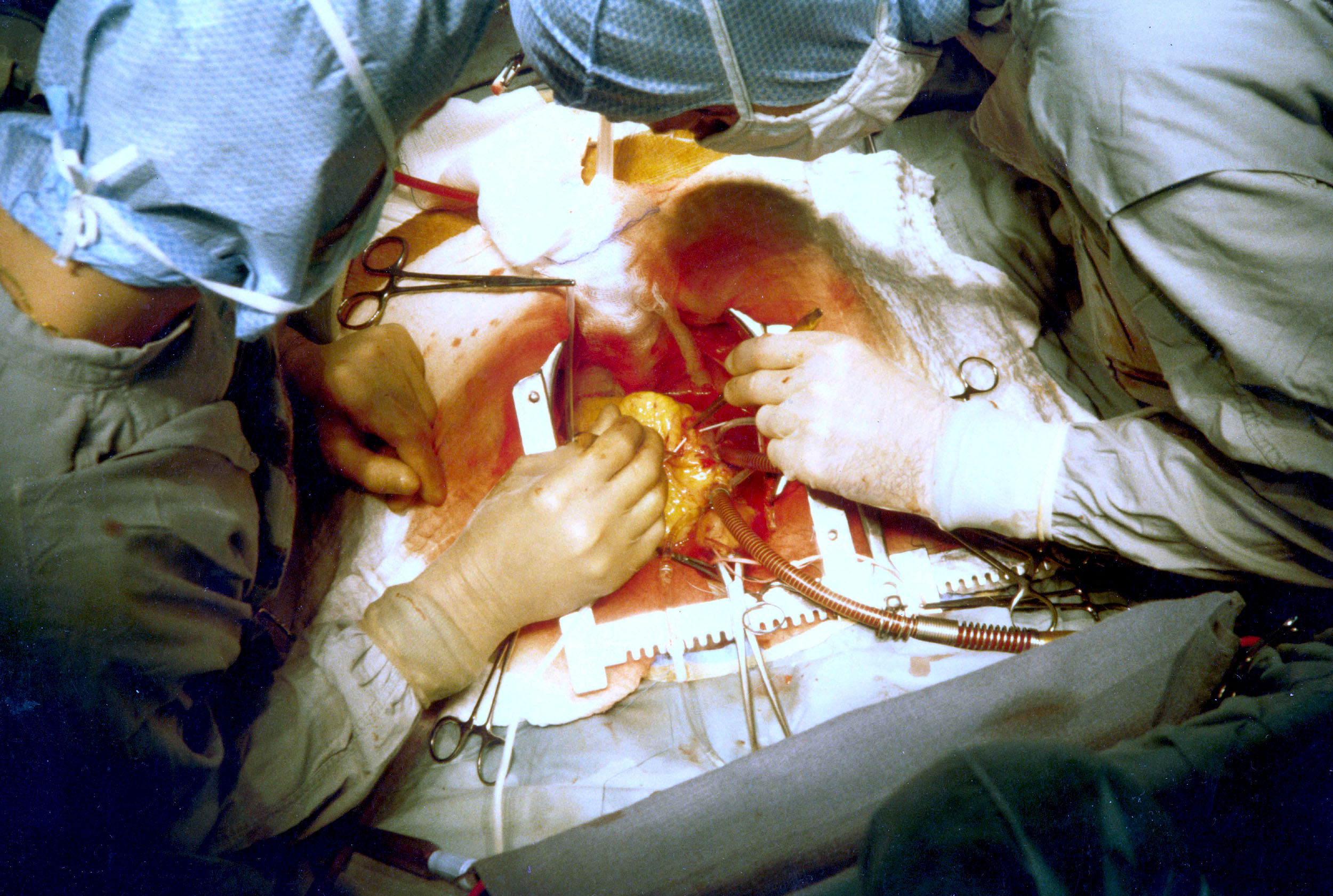
At its core, cardiovascular surgery involves precise manipulation of the heart and its major vessels, often requiring the temporary cessation of the heart's pumping action. This is achieved through cardiopulmonary bypass, where a heart-lung machine takes over the function of circulating and oxygenating the blood. The surgical field is then accessed either through a median sternotomy (a vertical incision through the breastbone) or minimally invasive approaches via smaller incisions. Procedures range from coronary artery bypass grafting (CABG), where blocked arteries are bypassed using grafts from other parts of the body, to heart valve repair or replacement, often using prosthetic or biological valves. Complex congenital heart defect repairs and aortic aneurysm repair also fall under this umbrella, demanding exceptional anatomical knowledge and technical dexterity from the surgeon.
📊 Key Facts & Numbers
The scale of cardiovascular surgery is staggering. Annually, over a million coronary artery bypass grafting (CABG) procedures are performed globally, with the United States accounting for approximately 200,000 of these. Heart valve repair and replacement surgeries collectively exceed 500,000 procedures each year worldwide. The market for cardiac devices, including pacemakers, artificial valves, and stents, is projected to reach over $70 billion by 2028, indicating a massive and growing demand for these interventions. Furthermore, heart transplantation, while less common, represents a critical last resort, with around 3,500 to 4,000 such procedures performed annually across the globe. The average cost of a major cardiovascular surgery in the US can range from $50,000 to over $150,000, highlighting the significant financial investment in this field.
👥 Key People & Organizations
The landscape of cardiovascular surgery is shaped by pioneering surgeons, innovative institutions, and dedicated professional organizations. Dr. Michael E. DeBakey stands as a titan, credited with numerous firsts, including the first successful carotid endarterectomy and the development of the first ventricular assist device. Dr. William DeVries gained notoriety for implanting the first permanent artificial heart in Dr. J. Barney Clark in 1982. Leading institutions like the Cleveland Clinic, Mayo Clinic, and Massachusetts General Hospital are renowned centers for cardiovascular care and research. Professional bodies such as the Society of Thoracic Surgeons (STS) and the American Association for Thoracic Surgery (AATS) play crucial roles in setting standards, fostering education, and advancing the field through conferences and publications like the Journal of Thoracic and Cardiovascular Surgery.
🌍 Cultural Impact & Influence
Cardiovascular surgery has profoundly reshaped societal perceptions of health and mortality, transforming conditions once considered death sentences into treatable ailments. The ability to mend a failing heart has inspired countless narratives in literature, film, and popular culture, often centering on themes of resilience, second chances, and the marvels of modern medicine. Public awareness campaigns, often spearheaded by organizations like the American Heart Association, have elevated understanding of heart disease and the role of surgical intervention. The iconic image of a beating heart, once a symbol of life itself, has also become intertwined with the visual language of surgical precision and technological intervention, influencing artistic representations and public discourse around life and death.
⚡ Current State & Latest Developments
The field is in constant flux, driven by technological innovation and a push towards less invasive techniques. Transcatheter aortic valve implantation (TAVI) and transcatheter mitral valve repair (TMVR) are rapidly gaining traction, offering less invasive alternatives to traditional open-heart surgery for select patients. Robotic-assisted cardiovascular surgery is also expanding its footprint, promising enhanced precision and potentially faster recovery times. Furthermore, advancements in artificial intelligence are beginning to aid in pre-operative planning, intra-operative guidance, and post-operative patient monitoring, promising to optimize outcomes and personalize care pathways for cardiovascular patients. The development of novel cardiac assist devices and artificial heart technologies continues to push the boundaries of what's possible for patients awaiting transplants or those with severe heart failure.
🤔 Controversies & Debates
Debates within cardiovascular surgery often revolve around the optimal approach for specific conditions and the ethical considerations of advanced interventions. A significant ongoing discussion concerns the comparative efficacy and cost-effectiveness of minimally invasive versus traditional open-heart procedures for conditions like coronary artery bypass grafting (CABG) and heart valve replacement. The increasing use of transcatheter aortic valve implantation (TAVI) has sparked debates about patient selection criteria and long-term durability compared to surgical valve replacement. Furthermore, the allocation of scarce donor organs for heart transplantation remains a complex ethical challenge, with ongoing discussions about fairness, utility, and the criteria for recipient selection. The integration of AI into surgical decision-making also raises questions about physician responsibility and algorithmic bias.
🔮 Future Outlook & Predictions
The future of cardiovascular surgery points towards increasingly sophisticated, less invasive, and more personalized interventions. Expect further refinement of transcatheter valve therapies, potentially expanding their application to younger and lower-risk patient populations. Robotic platforms will likely become more sophisticated, offering greater dexterity and haptic feedback. The development of regenerative medicine techniques, such as stem cell therapy and tissue engineering for cardiac repair, holds immense promise for treating heart damage without the need for mechanical devices or transplants. AI will undoubtedly play a more significant role in predicting patient outcomes, optimizing surgical strategies, and even assisting in real-time during procedures, potentially leading to a significant reduction in complications and improved long-term survival rates.
💡 Practical Applications
Cardiovascular surgery's practical applications are life-saving and life-extending.
Key Facts
- Category
- science
- Type
- topic