
Contents
Overview
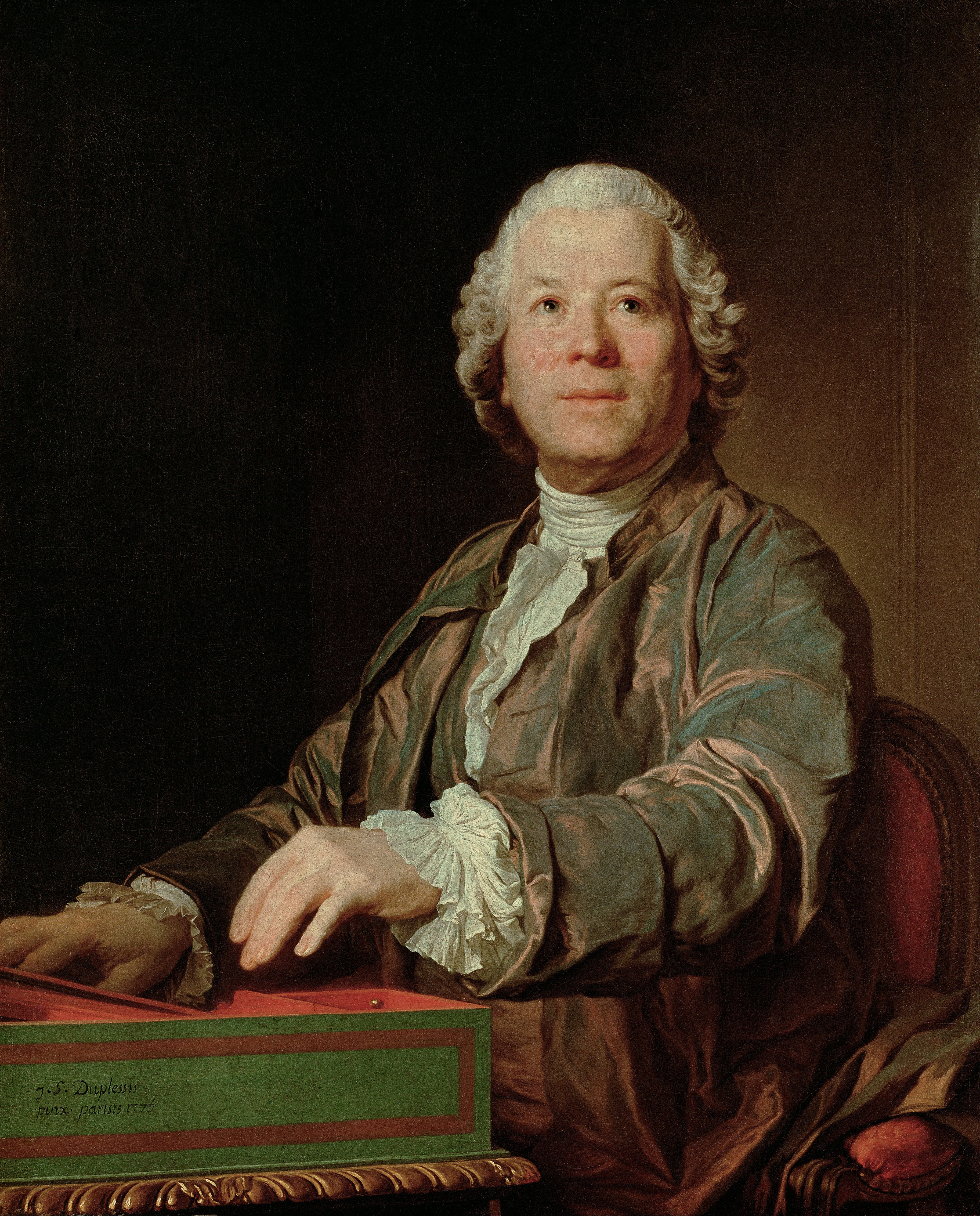
Christoph Willibald Gluck was born on July 2, 1714, in the Upper Palatinate, part of the Holy Roman Empire, and raised in Bohemia. He gained prominence at the Habsburg court in Vienna, where he was influenced by composers like George Frideric Handel and Christoph Graupner. Gluck's early operas, such as Artaserse, showcased his mastery of the traditional Metastasian opera seria style, but he soon became dissatisfied with its limitations.
⚙️ Reforming Opera
In the 1760s, Gluck introduced a series of radical new works, including Orfeo ed Euridice and Alceste, which broke away from the traditional Metastasian opera seria. He achieved this by using orchestral recitative and cutting the usually long da capo aria, resulting in operas that were more dramatic and concise. This reform was influenced by the ideas of Denis Diderot and Jean-Jacques Rousseau, who advocated for a more natural and expressive form of opera. Gluck's innovations were also shaped by his interactions with other composers, such as Niccolò Jommelli and Tommaso Traetta.
🌍 Cultural Impact and Legacy
The strong influence of French opera encouraged Gluck to move to Paris in November 1773, where he was influenced by composers like Jean-Philippe Rameau and André Campra. In Paris, Gluck fused the traditions of Italian opera and the French (with rich chorus) into a unique synthesis, as seen in works like Iphigénie en Tauride. This synthesis was characterized by the use of recitative and aria forms, as well as the incorporation of French musical elements, such as the chorus and ballet. Gluck's Parisian operas were performed at the Palais-Royal and the Théâtre du Odéon, and were praised by critics like François Arago and Pierre-Louis Ginguené.
🔮 Later Life and Influence
Gluck's later operas, such as Echo et Narcisse, continued to showcase his unique style, which blended the dramatic intensity of Italian opera with the grandeur of French opera. His influence extended beyond his own works, shaping the development of opera in the classical period and inspiring composers like Wolfgang Amadeus Mozart and Ludwig van Beethoven. Gluck's legacy can be seen in the works of later composers, such as Giuseppe Verdi and Richard Wagner, who continued to evolve the operatic form. Today, Gluck's operas remain an important part of the classical music repertoire, with performances at major opera houses like the Vienna State Opera and the Paris Opera.
Key Facts
- Year
- 1714-1787
- Origin
- Upper Palatinate, Holy Roman Empire
- Category
- culture
- Type
- person
Frequently Asked Questions
What were the key features of Gluck's operatic reforms?
Gluck's reforms introduced more drama into opera by using orchestral recitative and cutting the usually long da capo aria. This resulted in operas that were more concise and dramatic, as seen in works like Orfeo ed Euridice and Alceste. The use of recitative and aria forms, as well as the incorporation of French musical elements, such as the chorus and ballet, characterized Gluck's unique synthesis of Italian and French opera traditions.
How did Gluck's move to Paris influence his work?
Gluck's move to Paris in 1773 exposed him to the French opera tradition, which influenced his work and led to the creation of operas like Iphigénie en Tauride. This fusion of Italian and French traditions resulted in a unique synthesis, characterized by the use of recitative and aria forms, as well as the incorporation of French musical elements. Gluck's Parisian operas were performed at the Palais-Royal and the Théâtre du Odéon, and were praised by critics like François Arago and Pierre-Louis Ginguené.
What was Gluck's legacy in the world of opera?
Gluck's legacy in the world of opera is significant, as he played a crucial role in shaping the development of opera in the classical period. His reforms and innovations influenced composers like Mozart and Beethoven, and his operas remain an important part of the classical music repertoire. Today, Gluck's operas are performed at major opera houses like the Vienna State Opera and the Paris Opera, and continue to inspire new generations of composers and opera lovers.
How did Gluck's relationships with other composers and intellectuals influence his work?
Gluck's relationships with other composers and intellectuals, such as Denis Diderot and Jean-Philippe Rameau, had a significant influence on his work. Diderot's ideas on the role of opera in society and the balance between drama and music influenced Gluck's reforms, while Rameau's music and ideas on harmony and composition shaped Gluck's unique synthesis of Italian and French opera traditions. Gluck's interactions with other composers, such as Niccolò Jommelli and Tommaso Traetta, also contributed to the development of his style and the evolution of opera in the classical period.
What are some of the key challenges and controversies surrounding Gluck's legacy?
Some of the key challenges and controversies surrounding Gluck's legacy include the role of opera in society, the balance between drama and music in opera, and the impact of Gluck's reforms on the development of opera in the classical period. Additionally, Gluck's move to Paris and his fusion of Italian and French opera traditions have been the subject of debate among musicologists and historians, with some arguing that Gluck's Parisian operas represent a significant departure from his earlier work, while others see them as a natural evolution of his style.