
Contents
Overview
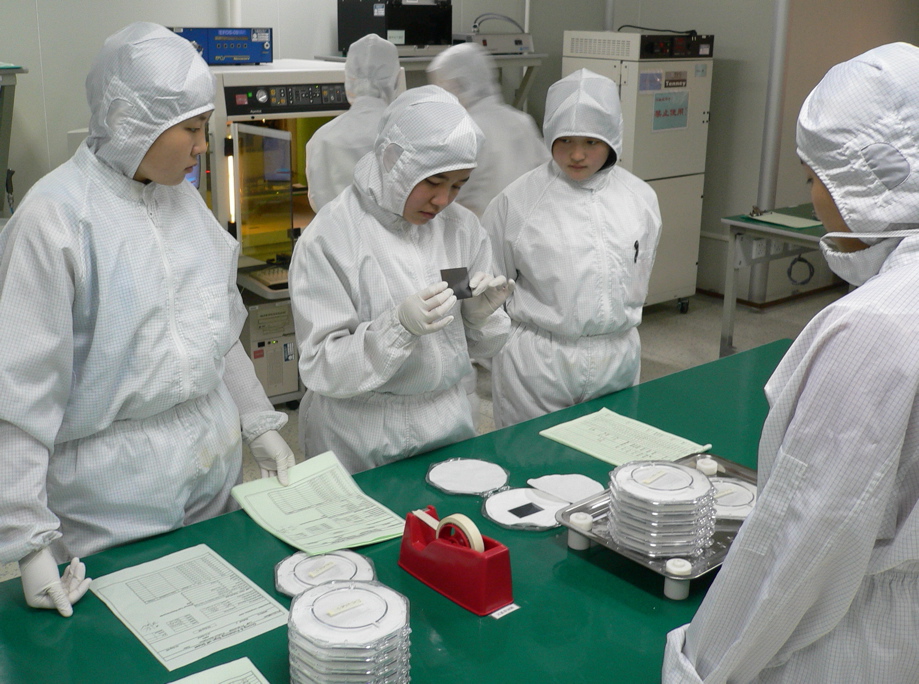
The genesis of the cleanroom suit is inextricably linked to the rise of industries demanding extreme environmental control, particularly semiconductor manufacturing in the mid-20th century. As electronic components became smaller and more complex, even microscopic dust particles could render them inoperable. Early cleanroom protocols recognized the human body as a primary source of contamination. This led to the development of specialized garments that went beyond simple lab coats, evolving into the full-body coveralls we recognize today. The term 'bunny suit' likely emerged from the distinctive, often white, hooded appearance of these early garments, reminiscent of a rabbit's costume. Advanced designs, incorporating integrated hoods and boots, became more prevalent, reflecting the increasing demands for purity in high-tech manufacturing.
⚙️ How It Works
At its core, a cleanroom suit functions as a containment system for the wearer's biological output. Constructed from non-shedding, low-particulate materials such as polypropylene or Tyvek (a brand of flashspun high-density polyethylene fibers), these suits create a barrier against skin flakes, hair, and lint. The fabric itself is often engineered with specific pore sizes to allow for breathability while preventing the escape of microscopic particles. Seams are typically taped or ultrasonically welded to eliminate potential leakage points. Many designs incorporate integrated hoods, boots, and sometimes even gloves, ensuring complete coverage from head to toe. The effectiveness hinges on a tight seal around the face, wrists, and ankles, often achieved through elasticated cuffs or specialized cleanroom tape.
📊 Key Facts & Numbers
The semiconductor industry accounts for a significant portion of cleanroom suit demand. The average cleanroom worker might go through 2-3 disposable suits per shift, totaling millions of suits annually across the industry.
👥 Key People & Organizations
While no single individual is solely credited with inventing the cleanroom suit, Willis Whitfield's foundational work in cleanroom design at Sandia National Laboratories was pivotal. His research highlighted the critical role of human contamination control, directly influencing the development of protective garments. Major manufacturers of cleanroom apparel include Kimberly-Clark Professional, DuPont (makers of Tyvek), and 3M, each contributing to material science and design innovations. Organizations like the International Organization for Standardization (ISO) set the standards (e.g., ISO 14644-1) that dictate the performance requirements for cleanrooms and, by extension, the suits worn within them. The Semiconductor Industry Association (SIA) also plays a role in defining operational best practices.
🌍 Cultural Impact & Influence
The cleanroom suit has become an iconic symbol of high-tech, sterile manufacturing, appearing in countless media portrayals of laboratories and advanced production facilities. Its visual presence signifies a commitment to precision, purity, and cutting-edge science. Beyond its functional role, the suit has permeated popular culture, often used to represent scientific endeavor or even as a costume element. In the realm of fashion, designers have occasionally drawn inspiration from the utilitarian aesthetic of cleanroom apparel, highlighting its stark, functional design. The widespread adoption of these suits has also normalized the concept of extreme environmental control in sensitive industries, influencing public perception of technological advancement.
⚡ Current State & Latest Developments
Current developments in cleanroom suit technology focus on enhancing wearer comfort and sustainability without compromising particle control. Innovations include improved fabric breathability to reduce heat stress for workers, particularly in warmer climates or during physically demanding tasks. There's a growing emphasis on reusable, washable cleanroom garments made from advanced synthetic fibers that can withstand repeated sterilization cycles, aiming to reduce waste and cost. Furthermore, research is exploring antimicrobial coatings and smart textiles that could potentially monitor environmental conditions or even wearer vital signs, though widespread adoption of such advanced features remains nascent. The ongoing miniaturization in electronics and the expansion of biotechnology continue to drive demand for ever-higher levels of cleanroom classification.
🤔 Controversies & Debates
A primary debate surrounding cleanroom suits centers on the balance between protection and worker comfort. While suits are essential for maintaining product integrity, they can be hot, restrictive, and cumbersome, leading to fatigue and potential breaches in protocol if workers attempt to alleviate discomfort. The environmental impact of disposable cleanroom suits is another significant concern, with millions discarded annually. While reusable options exist, their cleaning and sterilization processes require significant resources and can be costly. Furthermore, the strict gowning procedures required to don and doff suits correctly are a constant point of training and vigilance, as improper technique can negate the suit's protective benefits, leading to contamination events that can cost millions in lost production or product recalls.
🔮 Future Outlook & Predictions
The future of cleanroom suits will likely involve a greater integration of smart materials and sustainable manufacturing practices. We can anticipate suits with embedded sensors for real-time environmental monitoring, potentially communicating directly with cleanroom management systems. The development of novel, biodegradable, or easily recyclable materials could significantly reduce the environmental footprint of these garments. Furthermore, advancements in 3D printing and advanced manufacturing might allow for custom-fitted suits, improving comfort and reducing the need for extensive adjustments. As industries push towards even cleaner environments, such as quantum computing fabrication, the demands on suit materials and design will only intensify, potentially leading to entirely new classes of protective apparel.
💡 Practical Applications
Cleanroom suits are indispensable in a variety of high-purity manufacturing and research settings. Their primary application is in semiconductor fabrication, where they prevent dust from contaminating microchips during lithography and etching processes. They are also critical in the pharmaceutical industry for sterile drug manufacturing, preventing microbial contamination. In biotechnology, they safeguard cell cultures and sensitive experiments. The aerospace industry uses them for assembling precision components and optics, while food and beverage production employs them in sterile packaging environments. Even in fields like forensic science and museum conservation, specialized cleanroom garments may be used to prevent contamination of evidence or delicate artifacts.
Key Facts
- Category
- technology
- Type
- topic