
Contents
Overview
Degrassi: The Next Generation, later rebranded simply as Degrassi, stands as a monumental pillar in Canadian television history and a global touchstone for teen drama. Premiering on CTV, this iteration of the long-running Degrassi franchise revitalized the format for a new millennium, chronicling the lives of students at the fictional Degrassi Community School. Over its run, the series fearlessly tackled a staggering array of adolescent issues, from sex and teen pregnancy to bullying, drug abuse, mental health disorders, and domestic violence. Its unflinching realism, diverse cast, and willingness to explore controversial topics cemented its status as a cultural phenomenon, influencing countless viewers and sparking vital conversations about the complexities of growing up.
🎵 Origins & History
The genesis of Degrassi: The Next Generation can be traced back to the enduring legacy of its predecessors, Degrassi Junior High and Degrassi High. Creators Linda Schuyler and Yan Moore sought to capture the spirit of those influential shows for a 21st-century audience. This revival marked a significant shift as it was the first installment in the franchise without the direct involvement of co-creator and director Kit Hood. The series aimed to reflect the evolving social landscape and the unique challenges faced by teenagers in the digital age, while retaining the core commitment to authentic storytelling that defined the original runs. The transition from the 1980s and early 90s to the early 2000s meant adapting to new technologies, cultural trends, and a broader understanding of adolescent issues.
⚙️ How It Works
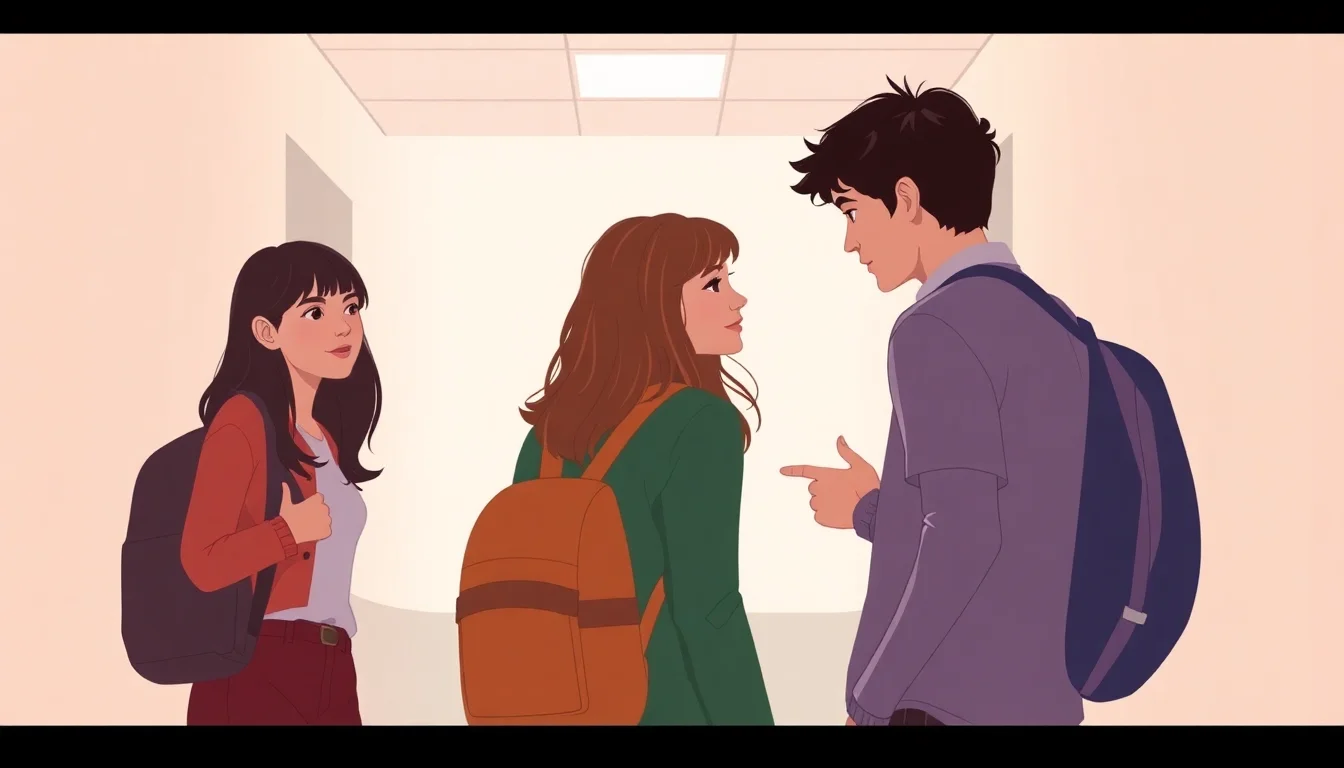
At its core, Degrassi: The Next Generation operates on a principle of ensemble storytelling, focusing on the interconnected lives of a rotating cast of students navigating the halls of Degrassi Community School. The show's narrative engine is its commitment to depicting realistic, often difficult, adolescent experiences. Each episode typically centers on one or two main storylines, delving into specific issues faced by individual characters. The writers consistently prioritized authenticity, often drawing inspiration from real-life events and consulting with experts to ensure accurate portrayals of sensitive topics like eating disorders, sexual assault, and substance abuse. The show's structure allowed for a gradual evolution of characters over multiple seasons, mirroring the real-time progression of adolescence and fostering deep viewer investment. The fictional school itself, Degrassi Community School, served as a microcosm of society, a place where diverse backgrounds and experiences converged.
📊 Key Facts & Numbers
Degrassi: The Next Generation ran for an impressive 14 seasons, airing a total of 385 episodes. The series was broadcast across multiple networks, including CTV in Canada and MTV in the United States, reaching an estimated global audience. Over its run, the show featured a vast ensemble cast, with many characters passing through its doors, many of whom went on to achieve significant fame. The show's production budget, while modest compared to some American dramas, allowed for consistent quality and a dedicated fanbase that consistently tuned in, with viewership numbers often peaking in the hundreds of thousands per episode in its home country. The series' longevity is a testament to its consistent ability to resonate with its target demographic, a feat few teen dramas achieve.
👥 Key People & Organizations
The creative force behind Degrassi: The Next Generation was largely driven by producers Linda Schuyler and Yan Moore, who served as executive producers and showrunners for much of its run. Schuyler, a veteran of the original Degrassi series, brought a deep understanding of the show's ethos, while Moore, a former head writer for Degrassi Junior High, infused the new iteration with sharp, contemporary dialogue. Key figures in shaping the show's visual identity and directorial style included producers Stéphane Morissette and Brenda Libby. The cast, a crucial element of the show's success, featured numerous actors who became household names, including Miranda Cosgrove (though she was not on Degrassi), Nina Dobrev, Shawn Mendes, Jordan Belfort (not on Degrassi), and Aaron Ashmore (not on Degrassi). The show's casting department, led by individuals like Joey Mancini (a fictional character, not a casting director), was instrumental in discovering and nurturing young talent, many of whom would go on to successful careers in Hollywood.
🌍 Cultural Impact & Influence
Degrassi: The Next Generation's cultural impact is undeniable, resonating deeply with a generation of viewers who saw their own struggles reflected on screen. The series was lauded for its unflinching portrayal of complex social issues, often sparking widespread discussion and debate among teens, parents, and educators. Its commitment to diversity and representation, showcasing characters from various ethnic backgrounds, sexual orientations, and socioeconomic statuses, was groundbreaking for its time. The show's influence can be seen in subsequent teen dramas that adopted its realistic tone and willingness to tackle taboo subjects. Furthermore, many actors who got their start on Degrassi, such as Nina Dobrev and Shawn Mendes, have gone on to achieve significant international fame, further amplifying the show's cultural footprint. The series' educational outreach programs, often tied to specific storylines, also extended its influence beyond the television screen, providing resources and support for young people facing similar challenges. The show's iconic theme song, "On My Own" by Stephanie Marlowe, became synonymous with adolescent angst and resilience.
⚡ Current State & Latest Developments
As of 2024, the legacy of Degrassi: The Next Generation continues to thrive, with the franchise evolving into Degrassi High School, a new iteration that aims to capture the contemporary teen experience. While The Next Generation officially concluded its run, its episodes remain widely available on streaming platforms like Tubi TV and Pluto TV, ensuring its continued accessibility to new audiences. The original cast members have largely moved on to diverse careers, with some, like Aaron Ashmore, maintaining active roles in television and film. The show's enduring popularity has led to ongoing discussions about potential reboots or spin-offs, reflecting a persistent demand for authentic teen storytelling. The recent launch of Degrassi High School by WildBrain Studios indicates a renewed commitment to the franchise's future, aiming to capture the current zeitgeist for a new generation of viewers. The show's impact on Canadian television remains a subject of ongoing analysis by media scholars at institutions like Ryerson University.
🤔 Controversies & Debates
Despite its critical acclaim and cultural significance, Degrassi: The Next Generation was not without its controversies. The show's willingness to tackle sensitive topics like date rape, teen suicide, abortion, and child abuse often drew criticism from conservative groups and parent organizations who deemed some storylines too explicit or inappropriate for younger viewers. For instance, the storyline involving J.T. Yorke's death in season 6 sparked significant debate about the show's depiction of violence and grief. Some critics also argued that the show sometimes sensationalized issues for dramatic effect, while others praised its commitment to providing a platform for marginalized voices and experiences. The portrayal of drug use, particularly the storyline involving Craig Manning's bipolar disorder and substance abuse, was also a point of contention for some viewers and mental health advocates. The show's creators, however, consistently defended their approach, emphasizing the importance of addressing these issues head-on to foster open dialogue and provide support for young people.
🔮 Future Outlook & Predictions
The future of the Degrassi franchise, while currently embodied by the new Degrassi High School series, hinges on its ability to adapt to an ever-changing media landscape and evolving adolescent concerns. Experts predict that future installments will likely continue to leverage digital platforms and social media integration, mirroring the ways today's teens communicate and consume content. The ongoing success of the franchise
Key Facts
- Category
- culture
- Type
- topic