
Contents
Overview
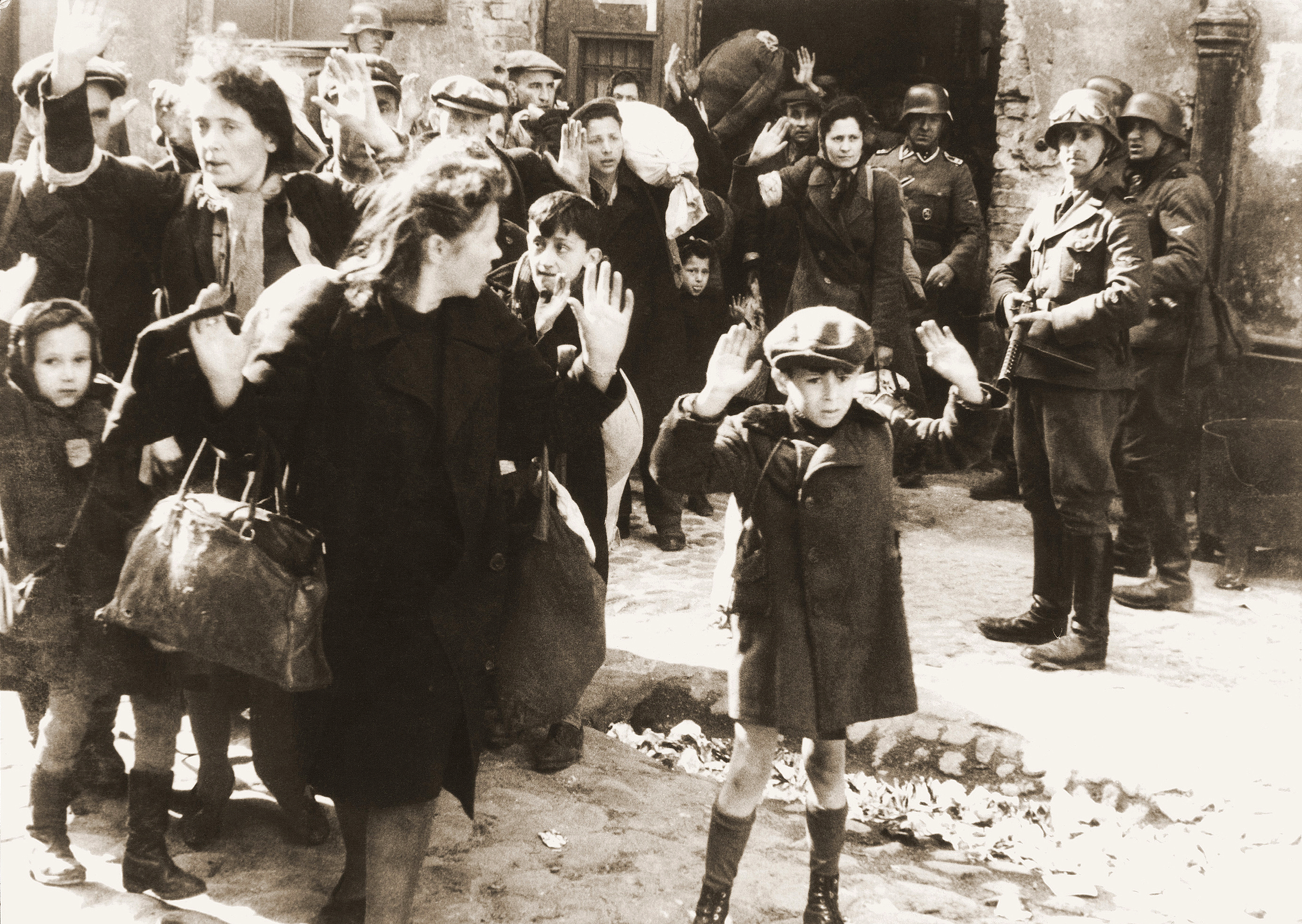
The roots of dehumanization stretch back to antiquity, where philosophers like Aristotle categorized certain peoples as natural slaves, inherently less rational and thus deserving of subjugation. The Enlightenment, while championing human rights, paradoxically also saw the rise of pseudoscientific racial theories, such as those espoused by Johann Friedrich Blumenbach, which classified humans into distinct races, implicitly ranking them and paving the way for their differential treatment. This tactic was echoed in the Rwandan Genocide where Tutsis were referred to as 'inyenzi' (cockroaches) by Hutu extremists.
⚙️ How It Works
Dehumanization operates through several psychological and social mechanisms. Cognitive biases play a significant role, with in-group bias leading individuals to favor their own group and view out-groups with suspicion. Social identity theory, developed by Henri Tajfel and John Turner, explains how individuals derive self-esteem from group membership, often by derogating out-groups. Propaganda and media narratives are powerful tools, as seen in the use of animalistic metaphors by regimes like Imperial Japan during World War II to demonize enemy combatants. Mechanistic dehumanization, conversely, often emerges in bureaucratic or highly structured environments where individuals are reduced to their functions or roles, such as factory workers being treated as cogs in a machine by early industrial capitalism proponents.
📊 Key Facts & Numbers
Studies by Susan Fiske and colleagues have shown that people often implicitly associate out-groups with animals or objects, a process that can occur in as little as 100 milliseconds. The economic cost of discrimination fueled by dehumanization is staggering, with studies estimating billions of dollars lost annually due to reduced productivity and increased social welfare burdens.
👥 Key People & Organizations
Key figures in understanding dehumanization include Hannah Arendt, whose work on the 'banality of evil' in 'The Origins of Totalitarianism' explored how ordinary people can commit atrocities when stripped of moral agency. Robert Jay Lifton's research on Nazi doctors highlighted the psychological processes that enabled them to carry out horrific experiments. Philip Zimbardo's Stanford prison experiment demonstrated how situational roles can foster dehumanizing behavior. Organizations like the United States Holocaust Memorial Museum and the Simon Wiesenthal Center actively document and educate about the historical impact of dehumanization. The United Nations's Office on Genocide Prevention and the Responsibility to Protect works to identify and prevent mass atrocities, often by flagging dehumanizing discourse.
🌍 Cultural Impact & Influence
From the allegorical portrayal of animals in George Orwell's 'Animal Farm' to the visceral depictions of 'the other' in war films like 'Saving Private Ryan', cultural products often reflect and reinforce dehumanizing tropes. The rise of social media platforms like Twitter and Facebook has provided new avenues for the rapid dissemination of dehumanizing content, often through memes and viral posts that reduce complex groups to caricatures. This has led to increased polarization and the normalization of hate speech, impacting political discourse and social cohesion in countries like the United States and India.
⚡ Current State & Latest Developments
The proliferation of deepfakes and AI-generated content presents new challenges, potentially enabling the creation of highly convincing but fabricated narratives that demonize individuals or groups. Political campaigns in various nations, including Donald Trump's presidency in the US and Viktor Orbán's government in Hungary, have been criticized for employing language that dehumanizes immigrants and political opponents. The ongoing War in Ukraine has seen both sides engage in rhetoric that dehumanizes the enemy, a common feature of modern warfare. Tech companies like Google and Meta Platforms are grappling with content moderation policies aimed at curbing hate speech and dehumanizing content.
🤔 Controversies & Debates
A significant debate surrounds the intent versus impact of dehumanizing language. Critics argue that even if not explicitly intended to incite violence, the consistent use of animalistic or objectifying terms can have a cumulative effect, lowering inhibitions against aggression. Another controversy lies in the definition and application of dehumanization, with some arguing that the term is overused or weaponized in political discourse to shut down legitimate criticism. The role of psychology in understanding and mitigating dehumanization is also debated; while theories like terror management theory offer insights, critics question the extent to which individual psychological mechanisms can fully explain large-scale atrocities driven by political and economic factors. Furthermore, the challenge of distinguishing between legitimate criticism and dehumanizing rhetoric, particularly in the context of freedom of speech debates, remains a persistent point of contention.
🔮 Future Outlook & Predictions
The future outlook for combating dehumanization is a mixed bag. On one hand, increased global awareness and the work of international bodies like the United Nations offer hope for proactive prevention. Educational initiatives focused on empathy training and critical media literacy, as promoted by organizations like Facing History and Ourselves, are crucial for inoculating future generations against such ideologies. On the other hand, the continued fragmentation of media, the rise of echo chambers on social media, and the increasing sophistication of disinformation campaigns pose significant threats. Experts like Ervin Staub predict that without concerted efforts to foster intergroup understanding and challenge prejudice, the potential for dehumanization to fuel conflict remains high, particularly in regions experiencing political instability or resource scarcity. The development of AI for detecting and flagging dehumanizing language is a promisi
💡 Practical Applications
Dehumanization has permeated global culture, shaping narratives in literature, film, and art. From the allegorical portrayal of animals in George Orwell's 'Animal Farm' to the visceral depictions of 'the other' in war films like 'Saving Private Ryan', cultural products often reflect and reinforce dehumanizing tropes. The rise of social media platforms like Twitter and Facebook has provided new avenues for the rapid dissemination of dehumanizing content, often through memes and viral posts that reduce complex groups to caricatures. This has led to increased polarization and the normalization of hate speech, impacting political discourse and social cohesion in countries like the United States and India. The normalization of such language can desensitize populations to the suffering of targeted groups, making them more susceptible to extremist ideologies.
Key Facts
- Category
- philosophy
- Type
- topic