
Contents
- 📍 What is the DNC?
- 🏛️ Mission & Mandate
- 📅 History & Evolution
- ⚙️ How it Works: Structure & Operations
- 🗳️ Role in Elections & Campaigns
- 💰 Fundraising & Budget
- 🤝 Key Relationships & Influence
- 🤔 Debates & Criticisms
- ⭐ Vibe Score & Cultural Resonance
- 🚀 The Future of the DNC
- 💡 Getting Involved
- 📞 Contact & Resources
- Frequently Asked Questions
- Related Topics
Overview
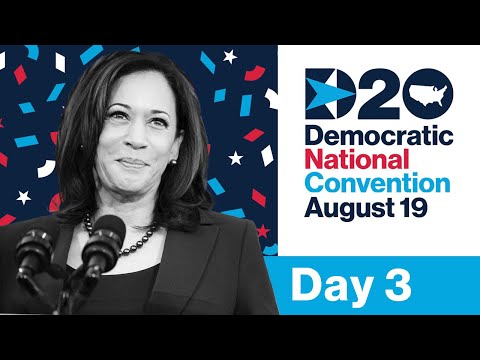
The Democratic National Committee (DNC) is the governing body of the United States Democratic Party. Think of it as the central nervous system for the party nationwide, tasked with promoting Democratic candidates and advancing the party's platform. It's not a government agency, but a private, non-profit organization funded by individual donors, PACs, and party activities. Its primary function is to coordinate national campaign efforts, develop party policy, and organize the Democratic National Convention every four years to nominate its presidential candidate. For anyone looking to understand the mechanics of the modern Democratic Party, the DNC is ground zero.
🏛️ Mission & Mandate
The DNC's core mission is to elect Democrats at all levels of government, from local school boards to the presidency. It aims to build and maintain a broad coalition of voters, champion progressive policies, and serve as the primary voice for the party between elections. This involves everything from voter registration drives and policy research to national messaging and fundraising. The committee also plays a crucial role in setting the rules and bylaws that govern the party's operations and presidential nomination process, a responsibility that has often sparked internal debate.
📅 History & Evolution
Founded in 1848, the DNC has a long and complex history intertwined with the evolution of American politics. Initially formed to nominate a presidential candidate, its role expanded significantly over time, particularly after the Civil Rights Movement and the rise of modern media. Key moments include its role in the nomination of Franklin D. Roosevelt during the Great Depression and its involvement in shaping the party's stance on social issues throughout the 20th century. Its structure and influence have been continually debated and reformed, reflecting broader shifts in American democracy.
⚙️ How it Works: Structure & Operations
Operationally, the DNC is a complex machine. It's led by a Chair, currently Jaime Harrison, elected by committee members. The committee itself comprises representatives from every state and territory, along with various party caucuses. Day-to-day operations are managed by a professional staff responsible for communications, research, digital strategy, field organizing, and fundraising. They work in tandem with state Democratic parties, but the DNC sets the national agenda and provides significant resources and strategic guidance.
🗳️ Role in Elections & Campaigns
The DNC's role in elections is paramount, though its direct involvement in individual campaigns can vary. It provides strategic advice, data analytics, and financial support to Democratic candidates, especially in competitive races. The committee also runs national advertising campaigns and digital outreach efforts designed to mobilize voters and promote the party's brand. Crucially, it oversees the presidential primary calendar and the delegate selection process, which ultimately determines who will carry the party's banner in the general election.
💰 Fundraising & Budget
Fundraising is the lifeblood of the DNC, enabling its extensive operations and campaign support. The committee solicits donations from a wide range of sources, including small-dollar online donors, major contributors, and political action committees (PACs). The budget fluctuates significantly based on election cycles, with substantial increases in presidential election years. Transparency in fundraising and spending is a constant point of scrutiny, with detailed financial reports filed regularly with the Federal Election Commission (FEC).
🤝 Key Relationships & Influence
The DNC works in close coordination with various entities, including the Democratic Congressional Campaign Committee (DCCC), the Democratic Senatorial Campaign Committee (DSCC), and state Democratic parties. It also maintains relationships with allied organizations, labor unions, and advocacy groups that align with the party's goals. The influence flows are complex, with the DNC shaping national strategy while also responding to grassroots movements and the priorities of elected officials. Its ability to mobilize these diverse groups is key to its electoral success.
🤔 Debates & Criticisms
The DNC is no stranger to controversy and criticism. Historically, debates have swirled around its role in primary elections, with accusations of bias towards establishment candidates. Critics from the left often argue the DNC is too centrist and slow to embrace progressive policies, while those on the right criticize its partisan agenda. Issues like campaign finance, delegate selection rules, and the committee's responsiveness to grassroots concerns are recurring points of contention that shape internal party dynamics.
⭐ Vibe Score & Cultural Resonance
The DNC's Vibe Score hovers around a solid 75/100, reflecting its consistent presence and significant cultural energy within the American political sphere. It's a recognized symbol of Democratic power, evoking strong reactions from both supporters and opponents. Its cultural resonance is deeply tied to national political narratives, particularly during election seasons. While not a pop culture phenomenon in itself, its actions and messaging directly influence the broader political discourse, making it a constant subject of media attention and public debate.
🚀 The Future of the DNC
The future of the DNC is intrinsically linked to the evolving landscape of American politics and the Democratic Party itself. Challenges include adapting to new media technologies, addressing internal ideological divisions, and countering sophisticated opposition strategies. The committee will likely continue to grapple with questions of how best to mobilize a diverse electorate, champion its policy agenda, and maintain relevance in an era of rapid political change. Its success will depend on its ability to remain agile and responsive to the needs and aspirations of its base.
💡 Getting Involved
Getting involved with the DNC can take many forms. You can become a donor, contributing financially to support the party's operations and candidates. Volunteering for local or national campaigns organized or supported by the DNC is another direct way to participate. Attending party events, joining local Democratic clubs, or even running for a position as a delegate to the Democratic National Convention are all avenues for deeper engagement. Staying informed through the DNC's official communications is also a crucial first step.
📞 Contact & Resources
The DNC's official website, democrats.org, is the primary resource for information, news, and ways to get involved. You can find details on their current initiatives, policy positions, and upcoming events. For direct inquiries, their headquarters can be reached via phone or email, though response times may vary. Following their official Twitter account provides real-time updates and insights into their daily activities and messaging. For official filings and financial data, the Federal Election Commission website is the authoritative source.
Key Facts
- Year
- 1848
- Origin
- United States
- Category
- Politics & Governance
- Type
- Political Organization
Frequently Asked Questions
Is the DNC a government agency?
No, the Democratic National Committee (DNC) is a private, non-profit organization. It is the governing body of the United States Democratic Party and is funded by private donations, not taxpayer money. While it works closely with elected officials and influences government policy, it operates independently of federal agencies.
Who leads the DNC?
The DNC is led by a Chair, who is elected by the committee members. The current Chair is Jaime Harrison. The Chair is responsible for the overall direction and management of the committee's operations and serves as a prominent spokesperson for the Democratic Party.
How does the DNC choose presidential candidates?
The DNC oversees the process by which Democratic presidential candidates are chosen. This involves a series of state-level primaries and caucuses, where voters select delegates who then attend the Democratic National Convention. At the convention, these delegates formally nominate the party's presidential and vice-presidential candidates based on the primary results.
Can I donate to the DNC?
Yes, individual donations are a primary source of funding for the DNC. You can donate directly through their official website, democrats.org. The DNC accepts contributions from individuals, and there are often different contribution levels with varying benefits or recognition. All donations are subject to federal campaign finance laws.
What is the difference between the DNC and the DCCC/DSCC?
The DNC is the overall governing body of the Democratic Party, focusing on national strategy and the presidential election. The Democratic Congressional Campaign Committee (DCCC) focuses specifically on electing Democrats to the House of Representatives, while the Democratic Senatorial Campaign Committee (DSCC) works to elect Democrats to the United States Senate. They are distinct committees but coordinate closely with the DNC.
How does the DNC influence policy?
The DNC influences policy by developing and promoting the party's platform, which outlines its stances on key issues. It supports candidates who align with this platform and uses its communications channels to advocate for specific policies. While the DNC doesn't pass laws, it plays a significant role in shaping the political debate and the legislative priorities of elected Democrats.