
Contents
Overview
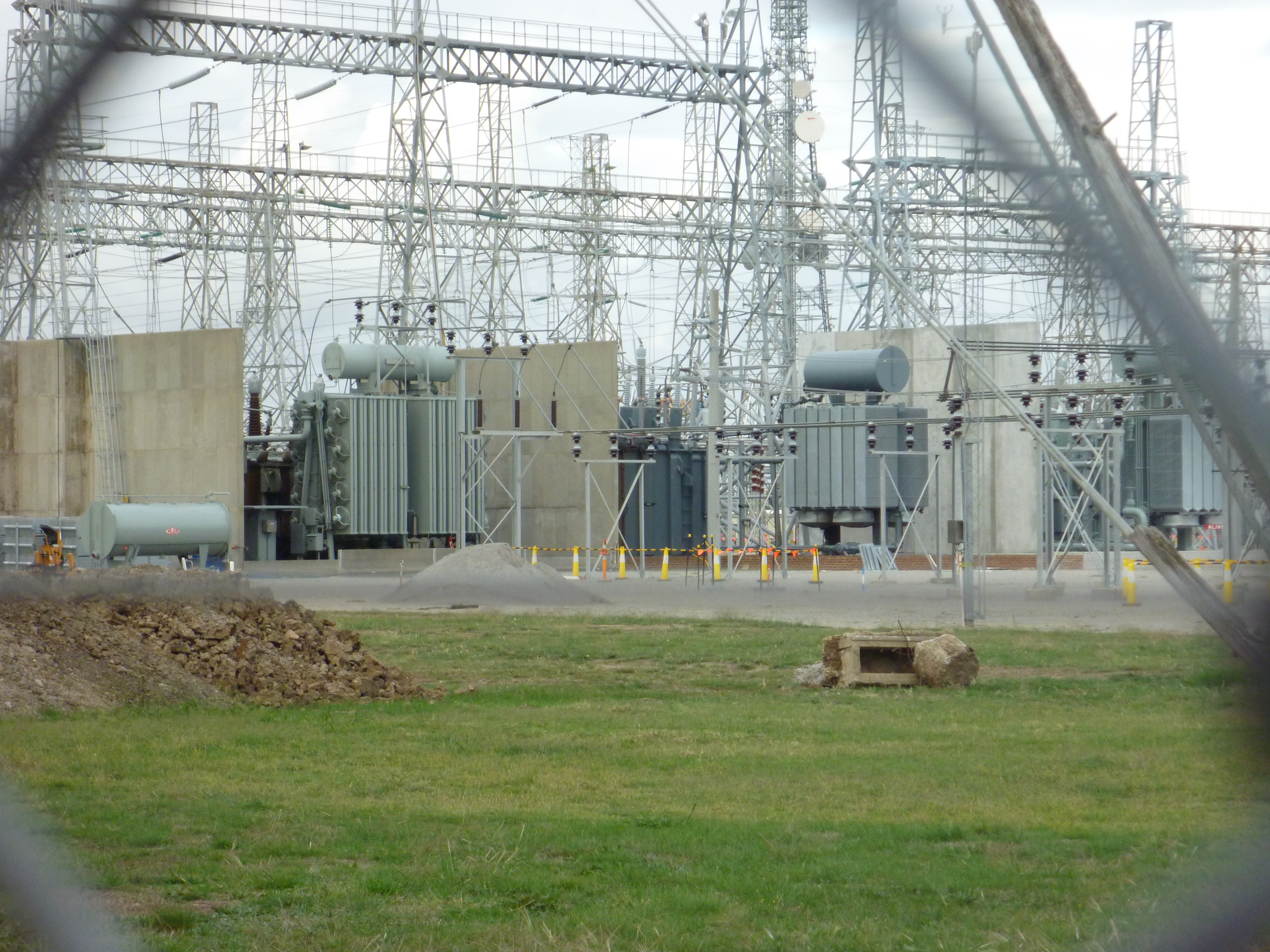
Electrical substations are intermediary points within power grids where electricity's voltage is transformed, switched, and controlled. They are indispensable for efficiently transmitting power from generation sources to consumers, often involving multiple voltage level changes. These facilities house essential equipment like transformers, circuit breakers, and switchgear, enabling grid operators to manage power flow, isolate faults, and ensure a stable supply. Many substations operate autonomously, monitored remotely via SCADA systems, reflecting a trend towards automation and efficiency in grid management. The concept of the substation has evolved significantly since its inception, adapting to increasing power demands and the integration of renewable energy sources.
🎵 Origins & History
The invention of the AC transformer by inventors like William Stanley Jr. in 1885, and its subsequent demonstration at Pittsfield, Massachusetts, was a watershed moment. This allowed for efficient voltage stepping, enabling AC power to be transmitted over long distances at high voltages and then reduced for local use. The first AC substations, often rudimentary affairs, emerged shortly thereafter, facilitating the expansion of urban electrification. Pioneers like Nikola Tesla and George Westinghouse championed AC systems, driving the adoption of substations as integral components of the burgeoning power infrastructure.
⚙️ How It Works
At its core, an electrical substation performs several vital functions to manage the flow of electricity. The most prominent is voltage transformation, achieved through large power transformers. These devices step up voltage for efficient long-distance transmission (reducing current and thus resistive losses) and step down voltage for safe distribution to homes and businesses. Switchgear, including circuit breakers and disconnect switches, allows operators to connect or disconnect circuits, reroute power, and isolate sections of the grid during faults or maintenance. Busbars act as common connection points for multiple circuits within the substation. Modern substations also incorporate SCADA systems for remote monitoring and control, enabling operators to manage the grid from a central control room, often thousands of miles away. These systems are crucial for maintaining grid stability and responding rapidly to changing load conditions or emergencies, as seen during widespread power outages.
📊 Key Facts & Numbers
The scale of electrical substations is immense, forming a critical backbone of global power infrastructure. The number of substations globally is in the hundreds of thousands, with major utilities operating thousands of substations each. The total value of substation equipment installed worldwide is estimated to be in the hundreds of billions of dollars, with transformer capacity alone reaching into the terawatts. The average cost of a single substation can range from a few million dollars for a small distribution substation to over $100 million for a large transmission substation. These facilities are designed to handle voltages ranging from a few kilovolts (kV) to over 765 kV, with some specialized substations handling even higher voltages for intercontinental power transfers.
👥 Key People & Organizations
Numerous individuals and organizations have shaped the development and operation of electrical substations. Pioneers like Nikola Tesla and George Westinghouse were instrumental in establishing the AC power systems that necessitated substations. Engineers such as William Stanley Jr. developed key components like the AC transformer. Today, major electrical equipment manufacturers like Siemens AG, General Electric, and Hitachi Ltd. are at the forefront of substation technology, designing and producing transformers, switchgear, and control systems. Utility companies, including Pacific Gas and Electric (PG&E), Consolidated Edison (Con Edison), and National Grid plc, are the primary operators and owners of these vital facilities, managing their day-to-day operations and long-term planning. Standards organizations like the IEEE and the IEC develop crucial standards that govern substation design and safety.
🌍 Cultural Impact & Influence
While not often the subject of mainstream cultural discourse, electrical substations hold a subtle but profound influence on modern life. They are the silent enablers of virtually every electrical device and service we use, from the lights in our homes to the servers powering the internet. Their presence, often discreetly located on the outskirts of towns or industrial areas, represents the tangible manifestation of the complex electric power grid. The reliability they provide is so fundamental that disruptions, such as those experienced by the MMTS-9 data center in Moscow due to power failures, highlight their critical role. The aesthetic of substations, with their imposing structures and intricate wiring, has occasionally inspired artists and photographers, though they are more commonly viewed as utilitarian necessities rather than objects of aesthetic appreciation. Their very existence is a testament to human ingenuity in harnessing and distributing a fundamental force of nature.
⚡ Current State & Latest Developments
The current state of electrical substations is characterized by a drive towards modernization, digitalization, and increased resilience. Utilities are increasingly deploying smart grid technologies, integrating advanced sensors, communication networks, and automation into substations. This allows for real-time monitoring of equipment health, predictive maintenance, and more dynamic grid management. The integration of renewable energy sources, such as solar and wind power, presents new challenges and opportunities, requiring substations to handle bidirectional power flow and manage intermittent generation. Cybersecurity is also a growing concern, with substations being potential targets for malicious actors, prompting significant investments in protective measures. Companies like Schneider Electric are offering digital substation solutions that enhance operational efficiency and security, reflecting the industry's pivot towards a more connected and intelligent grid.
🤔 Controversies & Debates
The development and operation of electrical substations are not without their controversies and debates. Environmental concerns, such as land use, visual impact, and potential electromagnetic field (EMF) emissions, are frequently raised by local communities. The siting of new substations can be a contentious process, often involving lengthy public consultations and regulatory hurdles. Furthermore, the aging infrastructure of many existing substations poses a significant challenge, with debates ongoing about the optimal pace and cost of upgrades and replacements. The increasing reliance on SCADA and other digital systems also introduces cybersecurity vulnerabilities, leading to discussions about the trade-offs between automation benefits and potential security risks. The question of who bears the cost of these upgrades and the associated rate increases for consumers is another persistent point of contention among regulators and the public.
🔮 Future Outlook & Predictions
The future of electrical substations is poised for significant transformation, driven by the accelerating energy transition and advancements in digital technology. We can expect a move towards "digital substations" where virtually all equipment is networked, enabling unprecedented levels of data collection and analysis. Artificial intelligence and machine learning will play a larger role in optimizing grid operations, predicting equipment failures, and enhancing cybersecurity defenses. The rise of distributed energy resources (DERs), including rooftop solar and battery storage, will necessitate more flexible and intelligent substation designs capable of managing complex, multi-directional power flows. The concept of the "unmanned substation" will become even more prevalent, with advanced robotics and remote diagnostics reducing the need fo
💡 Practical Applications
Electrical substations are fundamental to the practical application of electricity in modern society. They are the crucial link that allows electricity generated at power plants to be safely and efficiently delivered to homes, businesses, and industries. Without substations, long-distance power transmission would be impractical due to energy losses, and the high voltages used for transmission would be too dangerous for direct use by consumers. They enable the distribution of electricity across vast geographical areas, powering everything from small electronic devices to large industrial machinery. The reliable operation of substations is therefore directly tied to the functioning of our economy and the quality of our daily lives.
Key Facts
- Category
- technology
- Type
- topic