
Contents
- 🚨 Introduction to Emergencies
- 🌪️ Types of Emergencies
- 🚒 Emergency Response and Management
- 🌎 Environmental Emergencies
- 🏥 Health Emergencies
- 🚨 Technological Emergencies
- 🤝 Community Preparedness and Response
- 📊 Economic Impact of Emergencies
- 🌐 Global Emergency Management
- 🔍 Future of Emergency Management
- Frequently Asked Questions
- Related Topics
Overview
Emergencies, by definition, are unforeseen events that require immediate attention and response. Historically, emergencies have been a part of human existence, from natural disasters like the 2004 Indian Ocean tsunami, which had a devastating impact on several countries, to man-made crises such as the Chernobyl nuclear disaster in 1986. The skeptic might question the effectiveness of current emergency response systems, citing examples like the Hurricane Katrina disaster in 2005, where the response was deemed inadequate. From an engineering standpoint, the development of emergency management systems, including early warning systems and evacuation protocols, has been crucial in saving lives. Looking to the future, the integration of technology, such as AI and drones, into emergency response could significantly enhance our ability to respond to emergencies. However, this also raises concerns about privacy and the potential for technological failures, highlighting the need for a balanced approach to emergency management.
🚨 Introduction to Emergencies
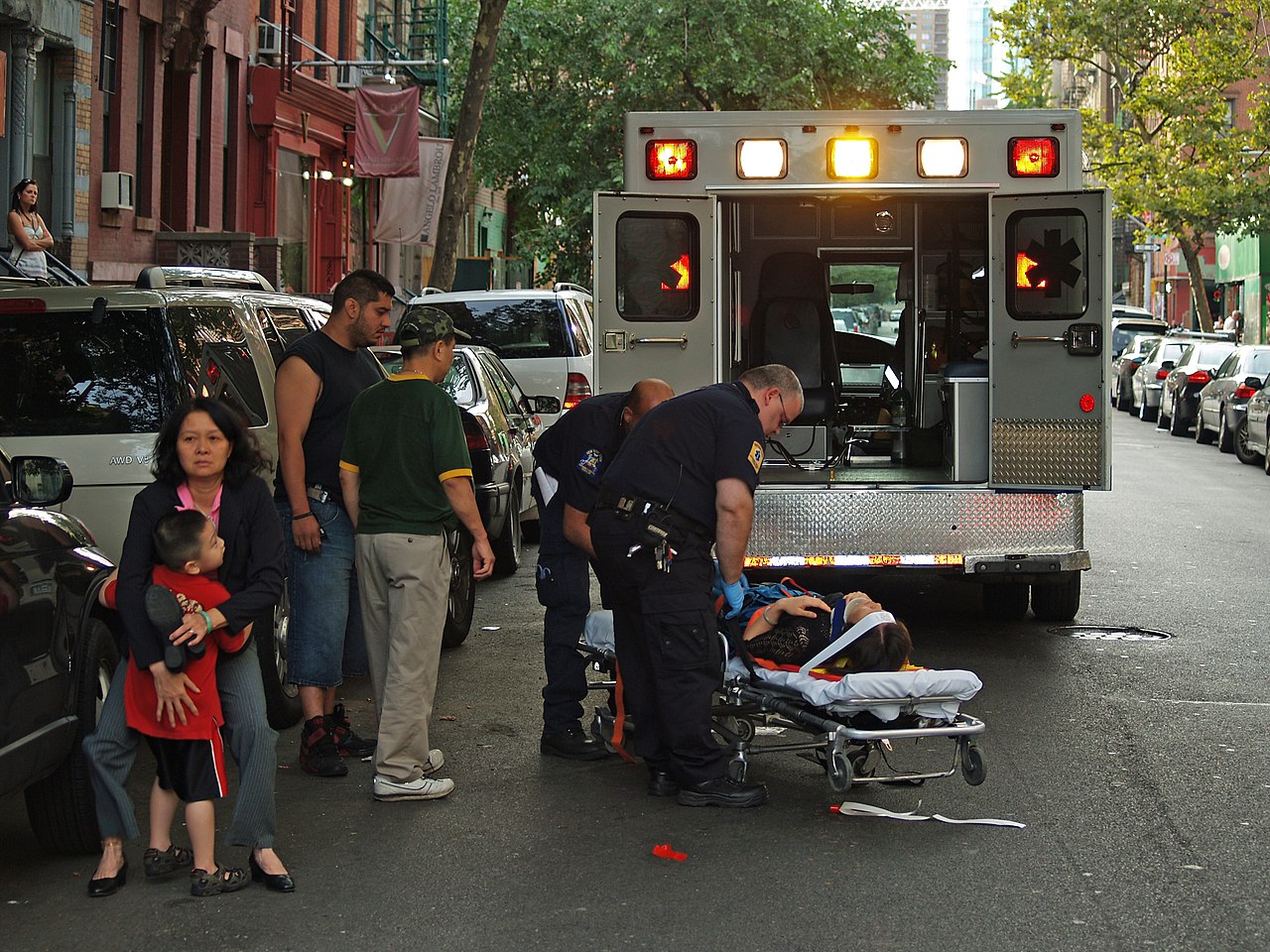
An emergency is an urgent, unexpected, and usually dangerous situation that poses an immediate risk to health, life, property, or environment and requires immediate action. Most emergencies require urgent intervention to prevent a worsening of the situation, although in some situations, mitigation may not be possible and agencies may only be able to offer palliative care for the aftermath. This is why it's essential to have a solid understanding of Emergency Management and Disaster Response. Effective Crisis Communication is also crucial in emergency situations. The goal of emergency management is to save lives, reduce injuries, and minimize property damage. For instance, the Federal Emergency Management Agency (FEMA) plays a critical role in emergency management in the United States.
🌪️ Types of Emergencies
There are various types of emergencies, including natural disasters such as Hurricanes, Earthquakes, and Tsunamis. Human-made emergencies, such as Industrial Accidents and Terrorist Attacks, can also have devastating consequences. It's essential to understand the different types of emergencies and have a plan in place to respond to them. This includes having a solid understanding of Emergency Preparedness and Disaster Recovery. The Centers for Disease Control and Prevention (CDC) also plays a critical role in responding to health emergencies.
🚒 Emergency Response and Management
Emergency response and management involve a range of activities, including search and rescue operations, provision of medical care, and distribution of food and shelter. Effective Emergency Response requires coordination among different agencies and organizations, including Local Government, State Government, and Federal Government. It's also essential to have a solid understanding of Incident Command System (ICS) and National Incident Management System (NIMS). The International Association of Emergency Managers (IAEM) provides valuable resources and guidance on emergency management.
🌎 Environmental Emergencies
Environmental emergencies, such as Oil Spills and Chemical Spills, can have devastating consequences for the environment and human health. It's essential to have a plan in place to respond to these types of emergencies and to prevent them from occurring in the first place. This includes having a solid understanding of Environmental Regulations and Sustainability. The Environmental Protection Agency (EPA) plays a critical role in responding to environmental emergencies.
🏥 Health Emergencies
Health emergencies, such as Pandemics and Epidemics, can have devastating consequences for individuals and communities. It's essential to have a plan in place to respond to these types of emergencies and to prevent them from occurring in the first place. This includes having a solid understanding of Public Health and Infectious Disease. The World Health Organization (WHO) provides valuable guidance and resources on responding to health emergencies.
🚨 Technological Emergencies
Technological emergencies, such as Cyber Attacks and Power Outages, can have significant consequences for individuals and communities. It's essential to have a plan in place to respond to these types of emergencies and to prevent them from occurring in the first place. This includes having a solid understanding of Cybersecurity and Infrastructure Resilience. The National Infrastructure Security Council (NISC) provides valuable resources and guidance on responding to technological emergencies.
🤝 Community Preparedness and Response
Community preparedness and response are critical components of emergency management. This includes having a solid understanding of Community Emergency Response Team (CERT) and Neighborhood Watch. It's also essential to have a plan in place to respond to emergencies and to prevent them from occurring in the first place. The American Red Cross provides valuable resources and guidance on community preparedness and response.
📊 Economic Impact of Emergencies
The economic impact of emergencies can be significant, with costs ranging from millions to billions of dollars. It's essential to have a plan in place to respond to emergencies and to prevent them from occurring in the first place. This includes having a solid understanding of Economic Resilience and Business Continuity. The National Federation of Independent Business (NFIB) provides valuable resources and guidance on responding to emergencies.
🌐 Global Emergency Management
Global emergency management is critical in today's interconnected world. This includes having a solid understanding of International Emergency Management and Global Health Security. The United Nations provides valuable guidance and resources on responding to global emergencies.
🔍 Future of Emergency Management
The future of emergency management will be shaped by emerging trends and technologies, including Artificial Intelligence and Internet of Things. It's essential to stay ahead of the curve and to have a plan in place to respond to emergencies and to prevent them from occurring in the first place. The Futures Research provides valuable insights and guidance on the future of emergency management.
Key Facts
- Year
- 2023
- Origin
- Global
- Category
- Emergency Management
- Type
- Concept
Frequently Asked Questions
What is an emergency?
An emergency is an urgent, unexpected, and usually dangerous situation that poses an immediate risk to health, life, property, or environment and requires immediate action. Emergencies can be caused by natural disasters, human-made accidents, or other factors. It's essential to have a solid understanding of Emergency Management and Disaster Response. Effective Crisis Communication is also crucial in emergency situations.
What are the different types of emergencies?
There are various types of emergencies, including natural disasters such as Hurricanes, Earthquakes, and Tsunamis. Human-made emergencies, such as Industrial Accidents and Terrorist Attacks, can also have devastating consequences. It's essential to understand the different types of emergencies and have a plan in place to respond to them. This includes having a solid understanding of Emergency Preparedness and Disaster Recovery.
What is emergency response and management?
Emergency response and management involve a range of activities, including search and rescue operations, provision of medical care, and distribution of food and shelter. Effective Emergency Response requires coordination among different agencies and organizations, including Local Government, State Government, and Federal Government. It's also essential to have a solid understanding of Incident Command System (ICS) and National Incident Management System (NIMS).
What are environmental emergencies?
Environmental emergencies, such as Oil Spills and Chemical Spills, can have devastating consequences for the environment and human health. It's essential to have a plan in place to respond to these types of emergencies and to prevent them from occurring in the first place. This includes having a solid understanding of Environmental Regulations and Sustainability.
What are health emergencies?
Health emergencies, such as Pandemics and Epidemics, can have devastating consequences for individuals and communities. It's essential to have a plan in place to respond to these types of emergencies and to prevent them from occurring in the first place. This includes having a solid understanding of Public Health and Infectious Disease.
What are technological emergencies?
Technological emergencies, such as Cyber Attacks and Power Outages, can have significant consequences for individuals and communities. It's essential to have a plan in place to respond to these types of emergencies and to prevent them from occurring in the first place. This includes having a solid understanding of Cybersecurity and Infrastructure Resilience.
What is community preparedness and response?
Community preparedness and response are critical components of emergency management. This includes having a solid understanding of Community Emergency Response Team (CERT) and Neighborhood Watch. It's also essential to have a plan in place to respond to emergencies and to prevent them from occurring in the first place.