
Contents
Overview
The genesis of gyokuro traces back to the Edo period, specifically around the 1830s, when tea merchant Yamamoto Kahei observed farmers in Uji, Kyoto, experimenting with shading tea plants. This innovation, initially a localized practice, aimed to replicate the flavor profile of matcha without the intensive grinding process. By the Meiji era (1868-1912), the technique had been refined and standardized, leading to the formalization of gyokuro production. Early proponents like Yamamoto Kahei recognized the potential for a tea that offered a profound sweetness and depth, distinct from teas grown in full sun. The development of specialized cultivars, such as the Asahi cultivar which emerged in the late 19th century, further cemented gyokuro's status as a premium tea, setting it apart from the more widely produced sencha. This historical trajectory highlights a deliberate pursuit of nuanced flavor and sensory experience within Japanese tea culture.
⚙️ How It Works
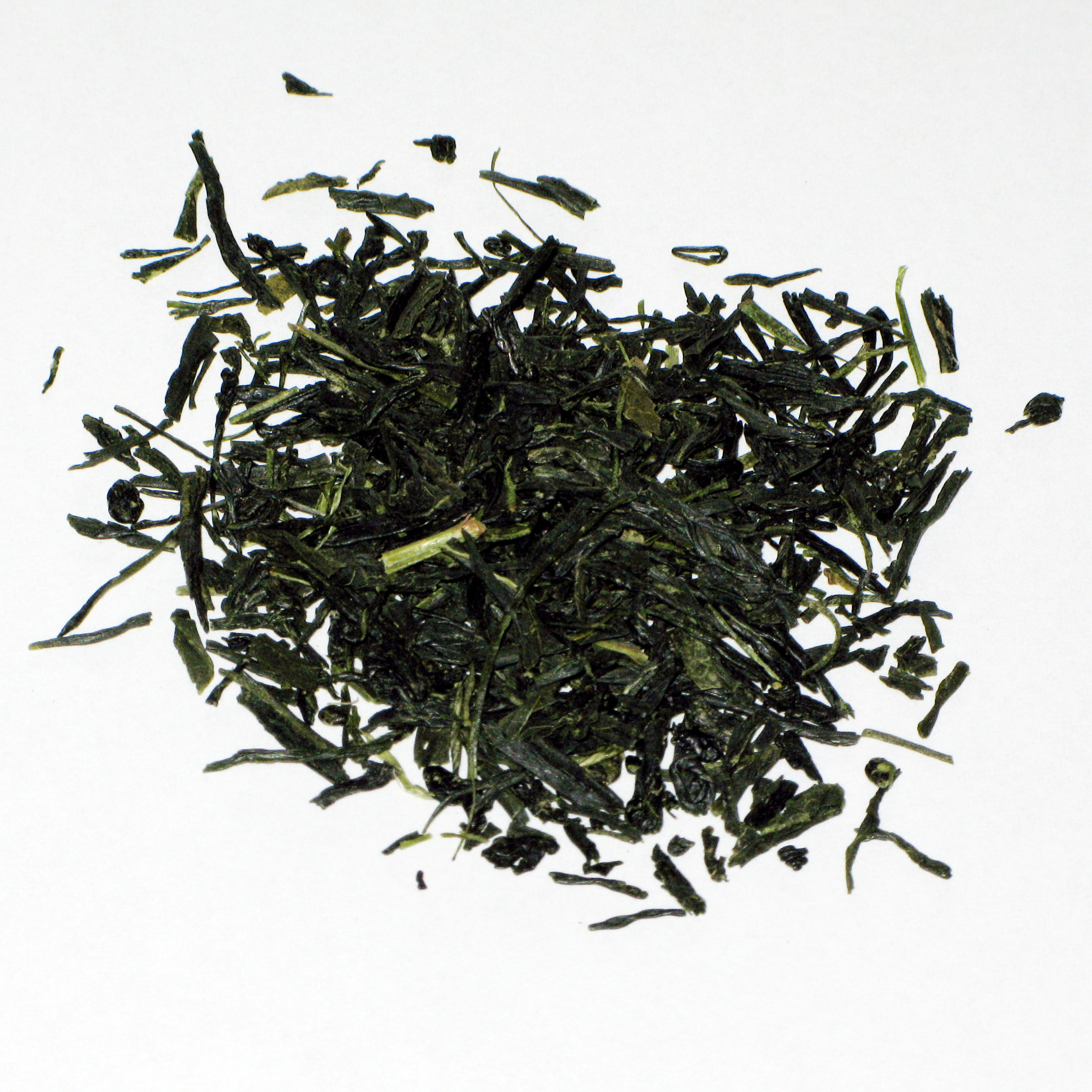
The magic of gyokuro lies in its controlled deprivation of sunlight. For roughly 20 days before harvest, tea bushes are meticulously covered, often using tana (棚) structures draped with komo (薦) mats or modern synthetic shading nets. This process, known as oishii-cha (おいしい茶), or "delicious tea," triggers a biochemical transformation within the leaves. Photosynthesis, which produces catechins (responsible for bitterness and astringency), is inhibited. Simultaneously, the plant converts starches into L-theanine, an amino acid that imparts a rich, savory umami flavor and a smooth, mellow mouthfeel. This metabolic shift also increases chlorophyll production, giving gyokuro its characteristic deep green color. The careful management of shade density and duration is critical, as is the timing of the harvest, typically occurring during the first flush (ichibancha) for the highest quality leaves.
📊 Key Facts & Numbers
Gyokuro represents a small but significant segment of the Japanese tea market, accounting for less than 1% of total tea production. In 2022, Japan produced approximately 76,000 tons of tea, with gyokuro making up an estimated 300-400 tons of that total. The average retail price for high-grade gyokuro can range from $50 to over $100 for a mere 50-gram tin, placing it among the most expensive teas globally. This premium pricing reflects the intensive labor, specialized cultivation, and limited yield associated with its production. For comparison, standard sencha production in 2022 was around 27,000 tons, highlighting the niche status of gyokuro. The primary growing regions, Kyoto Prefecture (particularly the Uji region), Fukuoka Prefecture (Yame region), and Mie Prefecture (Ise region), collectively account for over 90% of Japan's gyokuro output.
👥 Key People & Organizations
Key figures in the development and popularization of gyokuro include Yamamoto Kahei, the 19th-century merchant credited with observing and promoting the shade-growing technique. Modern proponents and innovators include tea masters and farmers dedicated to preserving and advancing the art of gyokuro production. Organizations such as the Japan Tea Central Association play a crucial role in defining standards and promoting Japanese tea culture globally. Renowned tea estates like Hoshino Seichaen in Yame, Fukuoka, and Marukyu Koyamaen in Uji, Kyoto, are celebrated for their commitment to producing exceptional gyokuro, often winning prestigious awards at national tea competitions like the Japan Tea Festival. These entities collectively uphold the legacy and quality of this esteemed tea.
🌍 Cultural Impact & Influence
Gyokuro's influence extends beyond the realm of beverages, shaping perceptions of Japanese aesthetics and culinary sophistication. Its deep green color and rich, complex flavor profile have inspired artists, chefs, and designers. The meticulous cultivation process itself is often cited as an embodiment of Japanese wabi-sabi principles – finding beauty in imperfection and transience, and valuing deep dedication to craft. In gastronomy, gyokuro is increasingly featured in high-end restaurants, not just as a drink but as an ingredient in desserts, sauces, and even savory dishes, where its unique umami notes can elevate other flavors. The global appreciation for gyokuro has also spurred interest in other shade-grown teas and Japanese tea ceremonies, contributing to a broader understanding and enjoyment of Japanese culture worldwide.
⚡ Current State & Latest Developments
The current landscape for gyokuro is one of careful balance between tradition and innovation. While established producers in Kyoto, Fukuoka, and Mie continue to refine their methods, there's a growing interest in exploring new cultivars and sustainable farming practices. The global demand for premium teas, particularly from discerning consumers in North America and Europe, presents both an opportunity and a challenge. Producers are increasingly engaging with international markets through direct sales and specialized tea retailers. Simultaneously, concerns about climate change and the impact of extreme weather events on tea cultivation are prompting research into more resilient growing techniques and varietals. The ongoing challenge is to maintain the exquisite quality and unique character of gyokuro while adapting to evolving environmental and market conditions.
🤔 Controversies & Debates
One of the primary debates surrounding gyokuro centers on the definition and authenticity of "shade-grown" tea. As demand increases, some question whether teas produced with less rigorous shading methods or from less traditional cultivars should command the same premium. Another point of contention is the brewing process; while traditionalists advocate for very low water temperatures (around 50-60°C or 122-140°F) and precise water-to-leaf ratios, the optimal method is a subject of ongoing discussion among enthusiasts and producers. Furthermore, the high price point of gyokuro inevitably leads to discussions about accessibility and the potential for market saturation or imitation by producers outside of Japan attempting to capitalize on its prestige, raising questions about geographical indication and quality control.
🔮 Future Outlook & Predictions
The future of gyokuro appears poised for continued growth, albeit within its niche market. Experts predict an increasing demand for high-quality, single-origin teas, with consumers seeking authentic experiences and traceable origins. Innovations in shading technology and cultivar development may lead to more resilient and potentially higher-yield gyokuro, though the core principles of meticulous cultivation are expected to remain paramount. We might see a greater integration of gyokuro into fusion cuisine and a rise in specialized tasting events and educational workshops globally. The potential for new regions outside of the traditional prefectures to develop high-quality gyokuro, perhaps leveraging unique microclimates, is also an avenue to watch. The challenge will be to expand its reach without diluting its esteemed reputation.
💡 Practical Applications
Beyond its consumption as a standalone beverage, gyokuro finds practical application in the culinary world. Its intense umami and subtle sweetness make it a unique ingredient for infusing flavor into a variety of dishes. Chefs use gyokuro-infused oils, vinegars, and creams to add a distinctive depth to sauces, dressings, and marinades. It's also incorporated into desserts, such as ice creams, chocolates, and pastries, offering a sophisticated counterpoint to sweetness. In the realm of wellness, the high L-theanine content is recognized for promoting relaxation and focus, leading to its inclusion in specialized wellness beverages and supplements. The tea's vibrant color also lends itself to aesthetic applications in food presentation, enhancing the visual appeal of dishes.
Key Facts
- Category
- culture
- Type
- topic