
Contents
- 🏯 Introduction to Hattians
- 🗺️ Geographical Context: The Land of Hatti
- 📚 The Hattian Language: A Distinctive Feature
- 🏛️ Archaeological Records: Uncovering the Past
- 📆 Historical References: Hittite and Other Sources
- 🏙️ The City of Hattush: A Central Hub
- 🌎 Cultural Exchange and Influence
- 🤝 The Hittite Expansion: A New Order
- 📊 The Absorption of Hattians into Hittite Society
- 👑 The Legacy of the Hattians
- 🔍 Debates and Controversies: Understanding the Hattians
- 🔮 Conclusion: Unveiling the Enigmatic Hattians
- Frequently Asked Questions
- Related Topics
Overview
The Hattians were an ancient civilization that flourished in central Anatolia, modern-day Turkey, from approximately 2500 to 1700 BCE. With a Vibe score of 6, they are often overshadowed by their successors, the Hittites, but their contributions to the development of writing, governance, and culture are undeniable. The Hattians are believed to have spoken a language isolate, unrelated to any other known language, and their influence can be seen in the spread of cuneiform script throughout the region. According to historian Trevor Bryce, the Hattians played a significant role in the evolution of the Hittite Empire, with many Hattian cities and traditions being absorbed into the Hittite culture. Despite their significance, the Hattians remain a topic of debate among historians, with some arguing that they were a distinct ethnic group, while others propose that they were a loose confederation of city-states. As archaeologist Jürgen Seeher notes, the discovery of the Hattian city of Hattusa in 1906 has provided valuable insights into the daily life and rituals of the Hattians, including their unique funerary practices and intricate pottery designs.
🏯 Introduction to Hattians
The Hattians were an ancient Bronze Age people that inhabited the land of Hatti, in central Anatolia. They spoke a distinctive Hattian language, which was neither Semitic nor Indo-European. The Hattians are attested by archaeological records from the Early Bronze Age and by historical references in later Hittite and other sources. Their main centre was the city of Hattush, which played a significant role in their culture and society. The Hattians had a unique culture, which was influenced by their geographical location and their interactions with other ancient civilizations, such as the Sumerians and the Akkadians.
🗺️ Geographical Context: The Land of Hatti
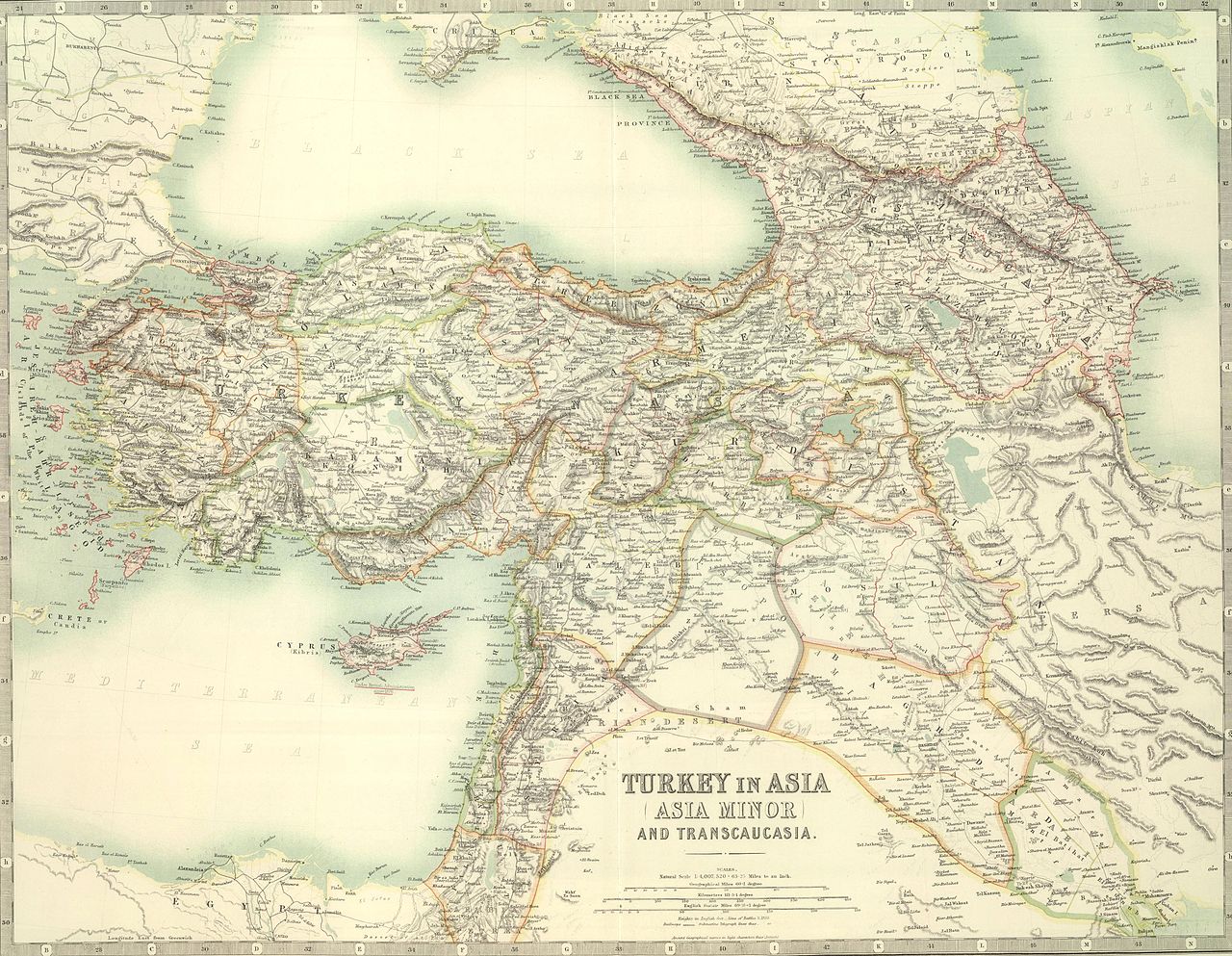
The land of Hatti was located in central Anatolia, which is now modern-day Turkey. The region was characterized by its fertile plains, mountains, and rivers, which provided a suitable environment for the Hattians to develop their agriculture and settlements. The Hattians were skilled farmers, and their economy was based on agriculture, with crops such as wheat, barley, and grapes being major staples. They also had a strong tradition of craftsmanship, with evidence of advanced metalwork and pottery. The Hattians traded with other ancient civilizations, such as the Egyptians and the Mesopotamians, which had a significant impact on their culture and economy.
📚 The Hattian Language: A Distinctive Feature
The Hattian language was a distinctive feature of the Hattian culture, and it is still not fully understood by scholars today. It was neither Semitic nor Indo-European, and its origins and relationships to other languages are still a topic of debate. The Hattian language was written in a unique script, which has been found on several inscriptions and tablets. The language was used for both practical and ceremonial purposes, and it played a significant role in Hattian society and culture. The study of the Hattian language is important for understanding the history and culture of the Hattians, and it has been the subject of much research and debate among scholars, including linguists and historians.
🏛️ Archaeological Records: Uncovering the Past
The Hattians have left behind a rich archaeological record, which has been uncovered by excavations at various sites in central Anatolia. The most significant site is the city of Hattush, which was the capital of the Hattian kingdom. The city was surrounded by a complex system of walls and fortifications, and it featured several important buildings, including temples, palaces, and markets. The excavations at Hattush have uncovered a wide range of artifacts, including pottery, metalwork, and jewelry, which provide valuable insights into Hattian culture and society. The archaeological record of the Hattians is also important for understanding the history of the region, including the rise and fall of the Hittite empire.
📆 Historical References: Hittite and Other Sources
The Hattians are also mentioned in historical references in later Hittite and other sources. The Hittites, who were one of the Indo-European-speaking Anatolian peoples, kept the country name unchanged, which also became the main designation for the Hittite state. The Hittites also adopted many of the Hattian customs and traditions, and they incorporated the Hattian language into their own language and culture. The historical references to the Hattians are important for understanding the history of the region, including the interactions between the Hattians and other ancient civilizations, such as the Egyptians and the Mesopotamians.
🏙️ The City of Hattush: A Central Hub
The city of Hattush was the central hub of the Hattian kingdom, and it played a significant role in their culture and society. The city was an important centre of trade and commerce, and it was also a major centre of learning and culture. The Hattians were skilled craftsmen, and they produced a wide range of goods, including pottery, metalwork, and textiles. The city was also an important centre of worship, and it featured several temples and shrines dedicated to the Hattian gods and goddesses. The city of Hattush was also an important centre of politics, and it was the seat of the Hattian king, who ruled over the kingdom and its people.
🌎 Cultural Exchange and Influence
The Hattians had a significant impact on the cultural and social development of the region, and they interacted with other ancient civilizations, such as the Sumerians and the Akkadians. The Hattians adopted many of the customs and traditions of these civilizations, and they incorporated them into their own culture and society. The Hattians also had a significant impact on the development of the Hittite empire, which rose to power in the region after the decline of the Hattian kingdom. The Hittites adopted many of the Hattian customs and traditions, and they incorporated the Hattian language into their own language and culture.
🤝 The Hittite Expansion: A New Order
The Hittite expansion had a significant impact on the Hattian kingdom, and it led to the gradual absorption of the Hattians into the new political and social order imposed by the Hittites. The Hittites were a powerful and dominant force in the region, and they imposed their own language, culture, and customs on the Hattians. The Hattians were gradually assimilated into Hittite society, and they lost their distinct cultural and social identity. The Hittite expansion also had a significant impact on the development of the region, including the rise and fall of the Hittite empire.
📊 The Absorption of Hattians into Hittite Society
The absorption of the Hattians into Hittite society was a gradual process, and it was characterized by the adoption of Hittite customs and traditions. The Hattians were incorporated into the Hittite social hierarchy, and they were assigned roles and responsibilities within the Hittite state. The Hattians also adopted the Hittite language, and they used it for both practical and ceremonial purposes. The absorption of the Hattians into Hittite society was also characterized by the loss of their distinct cultural and social identity, and they became an integral part of the Hittite state.
👑 The Legacy of the Hattians
The legacy of the Hattians is still felt today, and they continue to be an important part of the cultural and historical heritage of the region. The Hattians made significant contributions to the development of the region, including the development of agriculture, craftsmanship, and trade. The Hattians also had a significant impact on the development of the Hittite empire, which rose to power in the region after the decline of the Hattian kingdom. The study of the Hattians is important for understanding the history and culture of the region, and it continues to be the subject of much research and debate among scholars.
🔍 Debates and Controversies: Understanding the Hattians
There are several debates and controversies surrounding the Hattians, including the origins of their language and culture. Some scholars believe that the Hattians were an indigenous people, who developed their own unique culture and language in the region. Others believe that the Hattians were migrants, who came to the region from elsewhere and developed their culture and language in response to their new environment. The debate surrounding the origins of the Hattians is ongoing, and it continues to be the subject of much research and discussion among scholars.
🔮 Conclusion: Unveiling the Enigmatic Hattians
In conclusion, the Hattians were an enigmatic ancient civilization that inhabited the land of Hatti in central Anatolia. They spoke a distinctive Hattian language, which was neither Semitic nor Indo-European. The Hattians had a significant impact on the cultural and social development of the region, and they interacted with other ancient civilizations, such as the Sumerians and the Akkadians. The study of the Hattians is important for understanding the history and culture of the region, and it continues to be the subject of much research and debate among scholars.
Key Facts
- Year
- 2500
- Origin
- Central Anatolia, modern-day Turkey
- Category
- Ancient Civilizations
- Type
- Ancient Civilization
Frequently Asked Questions
Who were the Hattians?
The Hattians were an ancient Bronze Age people that inhabited the land of Hatti in central Anatolia. They spoke a distinctive Hattian language, which was neither Semitic nor Indo-European. The Hattians had a significant impact on the cultural and social development of the region, and they interacted with other ancient civilizations, such as the Sumerians and the Akkadians.
What was the Hattian language?
The Hattian language was a distinctive feature of the Hattian culture, and it is still not fully understood by scholars today. It was neither Semitic nor Indo-European, and its origins and relationships to other languages are still a topic of debate. The Hattian language was written in a unique script, which has been found on several inscriptions and tablets.
What was the significance of the city of Hattush?
The city of Hattush was the central hub of the Hattian kingdom, and it played a significant role in their culture and society. The city was an important centre of trade and commerce, and it was also a major centre of learning and culture. The Hattians were skilled craftsmen, and they produced a wide range of goods, including pottery, metalwork, and textiles.
How did the Hittite expansion affect the Hattians?
The Hittite expansion had a significant impact on the Hattian kingdom, and it led to the gradual absorption of the Hattians into the new political and social order imposed by the Hittites. The Hittites were a powerful and dominant force in the region, and they imposed their own language, culture, and customs on the Hattians. The Hattians were gradually assimilated into Hittite society, and they lost their distinct cultural and social identity.
What is the legacy of the Hattians?
The legacy of the Hattians is still felt today, and they continue to be an important part of the cultural and historical heritage of the region. The Hattians made significant contributions to the development of the region, including the development of agriculture, craftsmanship, and trade. The Hattians also had a significant impact on the development of the Hittite empire, which rose to power in the region after the decline of the Hattian kingdom.
What are the debates and controversies surrounding the Hattians?
There are several debates and controversies surrounding the Hattians, including the origins of their language and culture. Some scholars believe that the Hattians were an indigenous people, who developed their own unique culture and language in the region. Others believe that the Hattians were migrants, who came to the region from elsewhere and developed their culture and language in response to their new environment. The debate surrounding the origins of the Hattians is ongoing, and it continues to be the subject of much research and discussion among scholars.
Why is the study of the Hattians important?
The study of the Hattians is important for understanding the history and culture of the region, and it continues to be the subject of much research and debate among scholars. The Hattians had a significant impact on the cultural and social development of the region, and they interacted with other ancient civilizations, such as the Sumerians and the Akkadians. The study of the Hattians is also important for understanding the development of the Hittite empire, which rose to power in the region after the decline of the Hattian kingdom.