
Contents
Overview
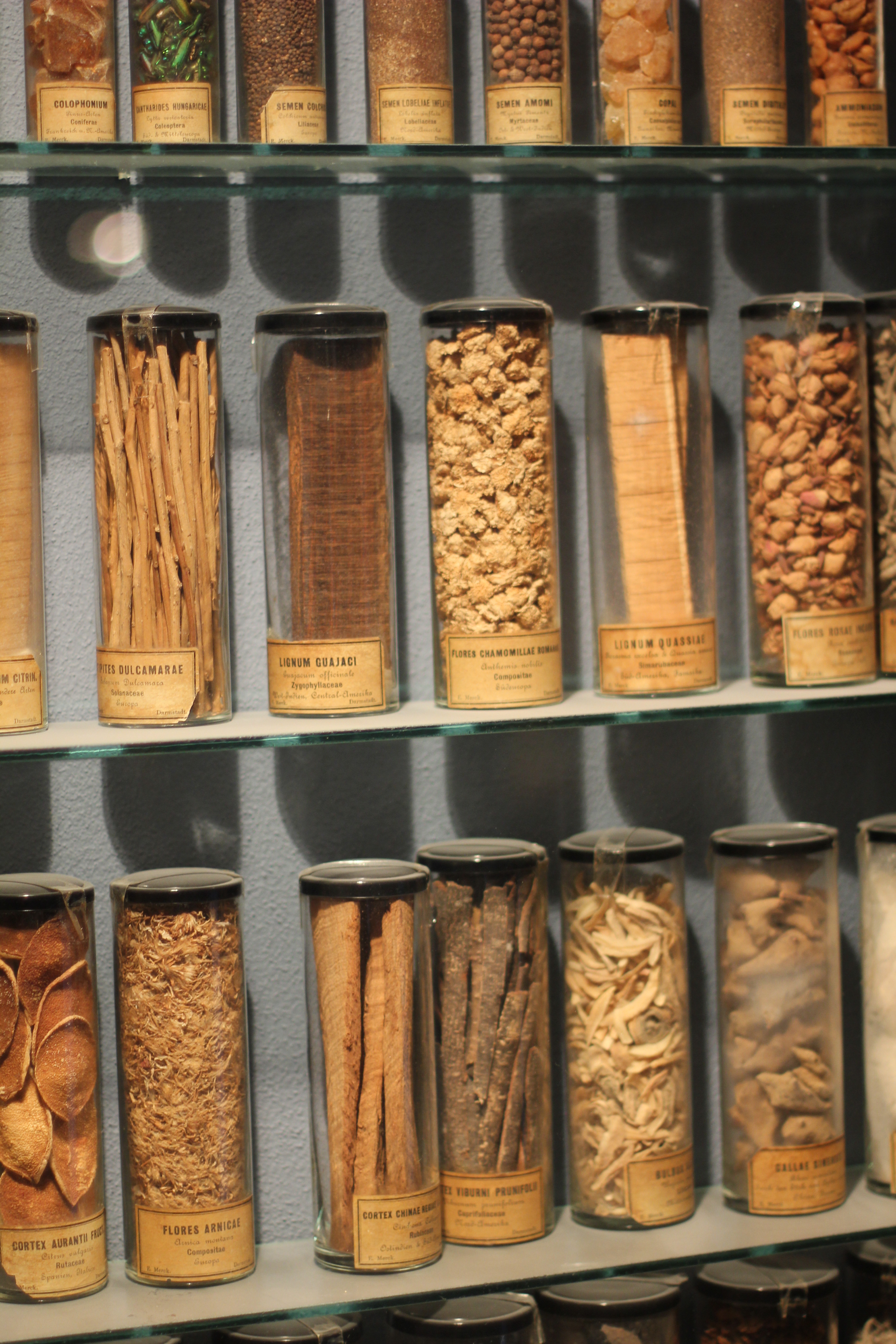
Herbal remedies, also known as herbalism or phytotherapy, represent a vast and ancient system of medicine rooted in the use of medicinal plants and their extracts. These practices, documented across civilizations from ancient Sumer to modern India, form the bedrock of many traditional healing systems. While widely employed globally, particularly in Asia and Africa, the scientific evidence supporting the efficacy and safety of many herbal treatments remains a subject of ongoing research and regulatory scrutiny. Unlike standardized pharmaceuticals, herbal remedies often lack consistent purity and dosage standards, leading to a complex landscape where traditional wisdom meets the demands of empirical validation. The field encompasses not only plant-derived compounds but sometimes extends to fungal, mineral, and animal-derived substances, reflecting a broad, often holistic, approach to health and wellness.
🎵 Origins & History
The practice of using plants for healing stretches back to the dawn of human history. Ancient civilizations like the Sumerians, Egyptians, Greeks, Chinese, and Indians meticulously documented their knowledge of herbal remedies. The Ebers Papyrus details hundreds of plant-based remedies. In ancient Greece, Hippocrates emphasized observation and rational approaches to medicine, incorporating herbal treatments. Meanwhile, traditional Chinese medicine developed complex systems like Shennong Ben Cao Jing, and Ayurvedic medicine in India, with texts like the Charaka Samhita, laid out sophisticated therapeutic uses for countless botanicals. These foundational systems, passed down through generations, form the historical bedrock upon which modern herbalism is built.
⚙️ How It Works
Herbal remedies function through a complex interplay of phytochemicals—biologically active compounds found in plants. These compounds can interact with the human body in various ways, mimicking or blocking the action of natural hormones, enzymes, or neurotransmitters. For instance, compounds like salicin in willow bark (Salix species) act as a precursor to aspirin, demonstrating anti-inflammatory effects. Ginkgo biloba is believed to improve circulation through vasodilation and antioxidant properties. The efficacy of a remedy often depends on the specific plant part used (root, leaf, flower, seed), the extraction method (infusion, decoction, tincture, essential oil), and the synergistic effects of multiple compounds within the plant, a concept often referred to as the 'entourage effect.' Unlike single-molecule pharmaceuticals, herbal preparations are complex mixtures, making their precise mechanisms of action challenging to isolate and study.
📊 Key Facts & Numbers
Globally, it's estimated that a significant portion of the population relies on herbal medicines, particularly in developing nations. The market for herbal remedies is substantial and growing. In the United States alone, many adults use herbal supplements annually, with Echinacea and St. John's Wort being among the most popular. Despite their widespread use, only a small fraction of medicinal plants have undergone rigorous scientific investigation for their therapeutic potential.
👥 Key People & Organizations
Key figures in the history of herbalism include Pedanius Dioscorides, a Greek physician whose five-volume encyclopedia De Materia Medica became a standard reference for over 1,500 years, detailing over 600 plants. Galen of Pergamon further systematized medical knowledge, including herbal pharmacology. In the modern era, figures like Rudolf Steiner, founder of anthroposophy, developed anthroposophic medicine, which integrates herbal remedies. Organizations such as the American Herbal Products Association (AHPA) and the European Herbal and Natural Medicine Industry Association (EHPM) advocate for the industry and set standards. Research institutions like the National Center for Complementary and Integrative Health (NCCIH) within the National Institutes of Health (NIH) fund and disseminate research on botanical medicine.
🌍 Cultural Impact & Influence
Herbal remedies have profoundly shaped global culture, influencing culinary traditions, spiritual practices, and the very language we use to describe health and illness. For centuries, they were the primary form of medicine, embedded in folklore and passed down through oral traditions. The discovery of compounds like morphine from opium poppies and quinine from cinchona bark, both derived from medicinal plants, revolutionized Western medicine and spurred the development of the pharmaceutical industry. Today, the popularity of herbal remedies reflects a broader cultural shift towards naturalism, wellness, and a desire for more personalized healthcare approaches, often seen in the rise of wellness culture and the growing interest in holistic health practices. Many modern pharmaceuticals still trace their origins back to plant-derived compounds, underscoring their enduring legacy.
⚡ Current State & Latest Developments
The current landscape of herbal remedies is characterized by a dynamic tension between increasing consumer demand and evolving regulatory frameworks. In the United States, herbal supplements are regulated as dietary supplements. This has led to concerns about product quality and adulteration. In Europe, many herbal medicinal products require marketing authorization, similar to conventional drugs, based on demonstrated quality, safety, and efficacy. The COVID-19 pandemic saw a surge in interest in immune-boosting herbs like elderberry and Andrographis paniculata, further highlighting the public's reliance on these remedies during health crises. Advances in genomics and phytochemistry are enabling more precise identification and characterization of active compounds.
🤔 Controversies & Debates
The primary controversy surrounding herbal remedies centers on the lack of robust, standardized scientific evidence for their efficacy and safety. Critics, often from the conventional medical establishment, point to the potential for serious side effects, drug interactions (e.g., St. John's Wort interacting with numerous prescription medications), and the absence of consistent quality control. The term 'paraherbalism' is sometimes used pejoratively to describe practices that rely on unproven beliefs rather than scientific validation. Conversely, proponents argue that traditional knowledge, accumulated over millennia, holds significant value and that modern scientific methods are not always equipped to capture the complex, synergistic effects of whole-plant preparations. Debates also arise over the sustainability of harvesting wild medicinal plants and the ethical considerations of bioprospecting, particularly concerning indigenous knowledge and benefit-sharing.
🔮 Future Outlook & Predictions
The future of herbal remedies likely lies in a more integrated approach, bridging traditional knowledge with rigorous scientific validation. Advances in pharmacognosy and bioinformatics will enable the identification of novel therapeutic compounds and the development of standardized, evidence-based herbal medicines. We may see a rise in 'pharma-herbal' products that combine the benefits of standardized herbal extracts with conventional drug delivery systems. Regulatory bodies worldwide are increasingly scrutinizing the market, potentially leading to stricter quality controls and clearer guidelines for manufacturers. Furthermore, the growing understanding of the gut microbiome may reveal new pathways through which herbal compounds exert their effects, opening up novel therapeutic avenues. The challenge will be to maintain the holistic spirit of herbalism while meeting the exacting standards of modern medicine.
💡 Practical Applications
Herbal remedies find application across a wide spectrum of health and wellness needs. They are commonly used for managing mild to moderate symptoms of common ailments such as colds, coughs, digestive
Key Facts
- Category
- science
- Type
- topic