
Contents
Overview
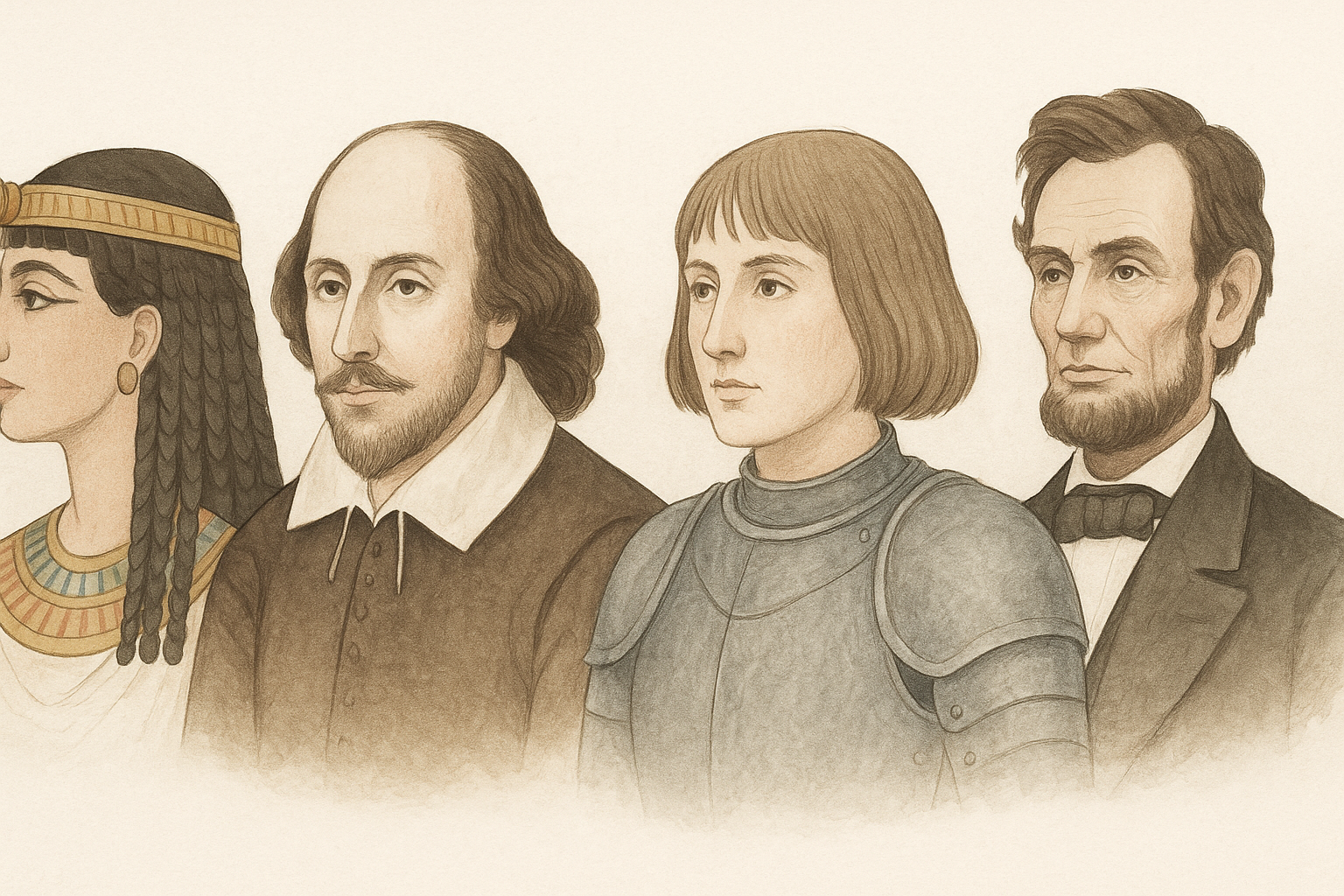
Historical figures are the individuals whose actions, ideas, and legacies have profoundly shaped the course of human civilization. From ancient philosophers and revolutionary leaders to groundbreaking scientists and influential artists, their impact is felt across every facet of modern society. Understanding their lives, motivations, and the contexts in which they operated is crucial for deciphering the present and anticipating the future. Vibepedia meticulously documents these entities, mapping their influence flows and the controversies that continue to surround their reputations, offering a dynamic lens through which to view our collective past and its enduring echoes.
📜 What Are Historical Figures?
Historical Figures are individuals whose actions, ideas, or creations have left an indelible mark on the human story. They aren't just names in a textbook; they are the architects of civilizations, the catalysts for change, and the subjects of enduring fascination. From ancient Roman emperors to pioneering scientists, their lives offer a window into the past and the forces that shaped our present. Understanding these figures is fundamental to grasping the trajectory of human development.
🌟 Why Study Them?
Studying historical figures provides crucial context for understanding contemporary issues. By examining the decisions, innovations, and struggles of those who came before us, we gain perspective on our own challenges. Whether it's the ideas of Plato or the impact of James Watt's steam engine, their legacies continue to resonate. This study fosters critical thinking and equips us to better navigate the complexities of the modern world.
💡 Key Characteristics of Impact
The impact of a historical figure can manifest in myriad ways. Some are celebrated for discoveries that advanced human knowledge, like Isaac Newton and his laws of motion. Others are known for transforming societies, such as Nelson Mandela's fight against apartheid. Still others are recognized for their cultural movements, like William Shakespeare's enduring plays. The scale and nature of their influence are key to their historical significance.
🌍 Global Reach & Influence
The influence of historical figures often transcends geographical and temporal boundaries. Genghis Khan's empire, for instance, reshaped the Eurasian continent, with effects still felt today. Similarly, the philosophical ideas of Voltaire and Jean-Jacques Rousseau fueled revolutions across continents. Their stories are not confined to their native lands but become part of a global narrative, accessible through online historical records and international scholarship.
📚 Recommended Reading & Resources
For those eager to delve deeper, a wealth of resources exists. our comprehensive knowledge graph offers interconnected insights into countless figures and their contexts. academic institutions provide access to vast collections of books and research materials. Online platforms like free e-books and digital libraries offer digitized historical texts. Engaging with visual narratives can also bring these figures to life.
⚖️ Favorable vs. Unfavorable Legacies
The legacy of a historical figure is rarely monolithic. his voyages, for example, are viewed with both admiration for exploration and condemnation for the devastating impact on indigenous populations. his military genius is undeniable, yet his ambition led to widespread conflict. Understanding these dualities is crucial for a balanced historical perspective, moving beyond simple hero-worship to a more critical appreciation of their complex roles.
🚀 The Future of Historical Study
The study of historical figures is evolving with new technologies and methodologies. computational analysis of texts and DNA tracing are uncovering new facets of past lives. As our understanding of history deepens, so too does our appreciation for the individuals who shaped it. The ongoing discovery of archaeological finds ensures that the stories of these figures remain dynamic and relevant for generations to come.
Key Facts
- Year
- N/A
- Origin
- N/A
- Category
- History & Biography
- Type
- Topic
Frequently Asked Questions
What criteria determine if someone is a 'historical figure'?
A figure is generally considered 'historical' if their actions, ideas, or creations had a significant and lasting impact on society, culture, politics, science, or technology. This impact is often widely recognized and debated, shaping subsequent events or ways of thinking. The scale of their influence, whether positive or negative, is a key determinant.
How do historians differentiate between famous people and truly 'historical' figures?
Fame can be fleeting, tied to current trends or media. Historical figures, however, possess a sustained relevance that transcends their immediate era. Their influence is demonstrable through long-term societal changes, the continuation of their ideas, or their foundational role in significant movements or disciplines. Historians look for demonstrable, enduring impact rather than mere contemporary recognition.
Are all historical figures considered 'great'?
No, 'historical figure' is a neutral descriptor of impact, not a judgment of moral character or positive contribution. Many figures are historical due to their negative impacts, such as Adolf Hitler and his role in World War II and the Holocaust, or Genghis Khan and the immense destruction wrought by his conquests. Their significance lies in the magnitude of their influence, regardless of its nature.
How can I find reliable information about a specific historical figure?
Start with reputable academic sources like scholarly databases, academic publications, and well-researched biographical books from established publishers. original documents can offer direct insight but should be cross-referenced with secondary analysis. Be wary of unsourced or sensationalized content, especially on less regulated online platforms.
Can modern figures become 'historical figures'?
Yes, the designation of 'historical figure' is often applied retrospectively. Individuals whose actions are currently shaping major global events or technological shifts, such as Elon Musk with his ventures in space and electric vehicles, or activists for human rights, may eventually be recognized as historical figures once their long-term impact becomes clearer over time.
What is the role of controversy in defining a historical figure?
Controversy often highlights the complexity and contested nature of a figure's legacy. Debates surrounding figures like slave ownership or imperial policies reveal different interpretations of their actions and impact. These controversies are integral to understanding the figure's place in history, as they reflect evolving societal values and historical analysis.