
Contents
Overview
The history of chiropractic is a narrative of innovation, controversy, and enduring cultural resonance. The term "chiropractic" itself, derived from Greek words for "hand" and "done," was coined by Reverend Samuel H. Weed, reflecting the practice's core methodology. Early chiropractic philosophy was deeply intertwined with vitalism, the belief in a life force, and drew from various naturalistic and spiritual healing traditions. Despite initial skepticism and ongoing debates with the medical establishment, chiropractic has grown into a profession with tens of thousands of practitioners worldwide, impacting millions of lives through its unique approach to musculoskeletal health and overall well-being.
🎵 Origins & History
The genesis of chiropractic can be traced to the late 19th century. Reverend Samuel H. Weed is credited with coining the term "chiropractic" by combining the Greek words "cheiro" (hand) and "praktikos" (done or action), encapsulating the hands-on nature of the practice. Early chiropractic philosophy was heavily influenced by vitalism, the belief in an innate "innate intelligence" guiding bodily functions, and drew from naturopathic and spiritualist traditions.
⚙️ How It Works
At its core, chiropractic involves the manual manipulation of the spine and other joints to restore proper alignment and function. Chiropractors, often referred to as doctors of chiropractic (DC), use their hands or specialized instruments to apply controlled, sudden force to a joint, a process known as an adjustment or manipulation. The primary goal is to correct "vertebral subluxations"—a concept central to chiropractic theory, though debated by mainstream medicine—which are believed to interfere with the nervous system and overall health. Beyond adjustments, chiropractors may also employ other therapeutic modalities, including soft tissue therapy, exercise recommendations, and nutritional counseling, aiming to address the root causes of pain and dysfunction rather than just symptom management. This approach positions chiropractic as a drug-free, hands-on healthcare discipline focused on the relationship between the structure of the body, primarily the spine, and its functioning, as coordinated by the nervous system.
📊 Key Facts & Numbers
Globally, there are tens of thousands of practicing chiropractors. The profession has seen a significant increase in patient acceptance, with many adults reporting positive perceptions of chiropractic care. Despite its growth, chiropractic represents a small fraction of the overall healthcare spending.
👥 Key People & Organizations
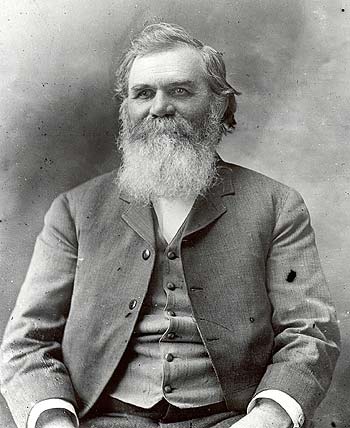
The foundational figure is Daniel David Palmer, who established the first chiropractic school. His son, B.J. Palmer, significantly expanded the profession's reach and influence, often referred to as the "Developer" of chiropractic, establishing the Palmer College of Chiropractic campus in Davenport, Iowa, and promoting chiropractic through extensive public relations and educational efforts. Organizations like the American Chiropractic Association (ACA) and the World Federation of Chiropractic (WFC) are instrumental in advocating for the profession, setting standards, and promoting research globally.
🌍 Cultural Impact & Influence
Chiropractic's cultural footprint is substantial, particularly in North America and Australia. It has become a widely recognized alternative and complementary therapy for back pain, neck pain, and headaches, often appearing in popular culture as a go-to solution for athletes and celebrities seeking non-pharmacological pain relief. The integration of chiropractic care into mainstream sports, with chiropractors serving on professional sports teams like the NFL and NHL, has significantly boosted its visibility and acceptance. Furthermore, the emphasis on a "whole-person" approach, focusing on lifestyle, exercise, and wellness, resonates with a growing segment of the population seeking proactive health strategies. The visual of a chiropractor performing an adjustment has become an iconic representation of hands-on, musculoskeletal healthcare, influencing perceptions of health and healing beyond the profession itself.
⚡ Current State & Latest Developments
As of 2024, chiropractic continues its trajectory of growth and integration into mainstream healthcare systems. Many insurance providers now offer coverage for chiropractic services, reflecting increased recognition of its efficacy for certain conditions, particularly lower back pain. Research into chiropractic's effectiveness for a wider range of conditions, including migraines and osteoarthritis, is ongoing, with studies published in journals like the Journal of the American Medical Association (JAMA) and the British Medical Journal (BMJ). The profession is also embracing technological advancements, with some chiropractors utilizing electromyography and digital radiography for diagnostic purposes. The establishment of chiropractic programs in universities worldwide, such as University of Toronto and University of Melbourne, signals a move towards greater academic rigor and scientific validation.
🤔 Controversies & Debates
The history of chiropractic is punctuated by significant controversies, most notably its long-standing debate with the allopathic medical community. Early in its history, chiropractors faced legal challenges and persecution, with many being arrested for practicing medicine without a license. The concept of "vertebral subluxation" remains a point of contention, with some critics arguing it lacks robust scientific evidence and is a metaphysical construct rather than a physiological reality. This has led to a "controversy spectrum" ranging from those who view chiropractic as a legitimate, evidence-based treatment for musculoskeletal disorders to those who see it as pseudoscientific. Debates also persist regarding the scope of practice, with some chiropractors advocating for broader roles in primary care, while others emphasize a more focused approach on spinal manipulation.
🔮 Future Outlook & Predictions
The future of chiropractic appears to be one of increasing integration and specialization. As evidence for its effectiveness in managing chronic pain and musculoskeletal conditions grows, more healthcare systems are likely to incorporate chiropractic services. We can anticipate further research exploring chiropractic's role in areas like sports performance, pediatric care, and even preventative health. Technological integration, such as telehealth consultations and advanced diagnostic tools, will likely become more common. Specialization within the profession, focusing on areas like neurology, orthopedics, or pediatrics, may also become more prevalent, mirroring trends in conventional medicine. The ongoing challenge will be to bridge the gap between the profession's vitalistic roots and the demand for evidence-based, scientifically validated practices, ensuring chiropractic remains relevant and accessible in the evolving healthcare land
Key Facts
- Category
- history
- Type
- topic