
Contents
Overview
Osteopathy, a system of manual therapy focused on the body's musculoskeletal framework, has a history rooted in the late 19th century. Its founder, Andrew Taylor Still, theorized that disease stemmed from structural imbalances, which he termed 'osteopathic lesions' or later 'somatic dysfunction.' Still believed that by manipulating these structures, the body's inherent healing mechanisms could be restored. While initially distinct from conventional medicine, osteopathy has seen varied paths of development globally, with some countries recognizing it as a distinct profession and others integrating its principles into mainstream medical practice, particularly in the United States where osteopathic physicians (DOs) are fully licensed medical doctors. The practice has faced persistent scrutiny regarding its scientific underpinnings, with critics labeling certain techniques as pseudoscientific, while proponents highlight its historical significance and continued patient demand.
🎵 Origins & History
The genesis of osteopathy is inextricably linked to Andrew Taylor Still, a physician who, disillusioned with the medical practices of his era, developed a new therapeutic system in the late 1800s. Still theorized that the body possessed a self-healing capacity, which could be unlocked by addressing structural misalignments he termed 'osteopathic lesions.' These lesions, he believed, interfered with the flow of blood and nerve impulses, leading to disease. His early work focused on spinal manipulation, a departure from the prevalent use of drugs and surgery in 19th-century medicine. The concept of 'myofascial continuity' – a continuous network of connective tissue linking all parts of the body – became a cornerstone of his philosophy, influencing generations of osteopaths.
⚙️ How It Works
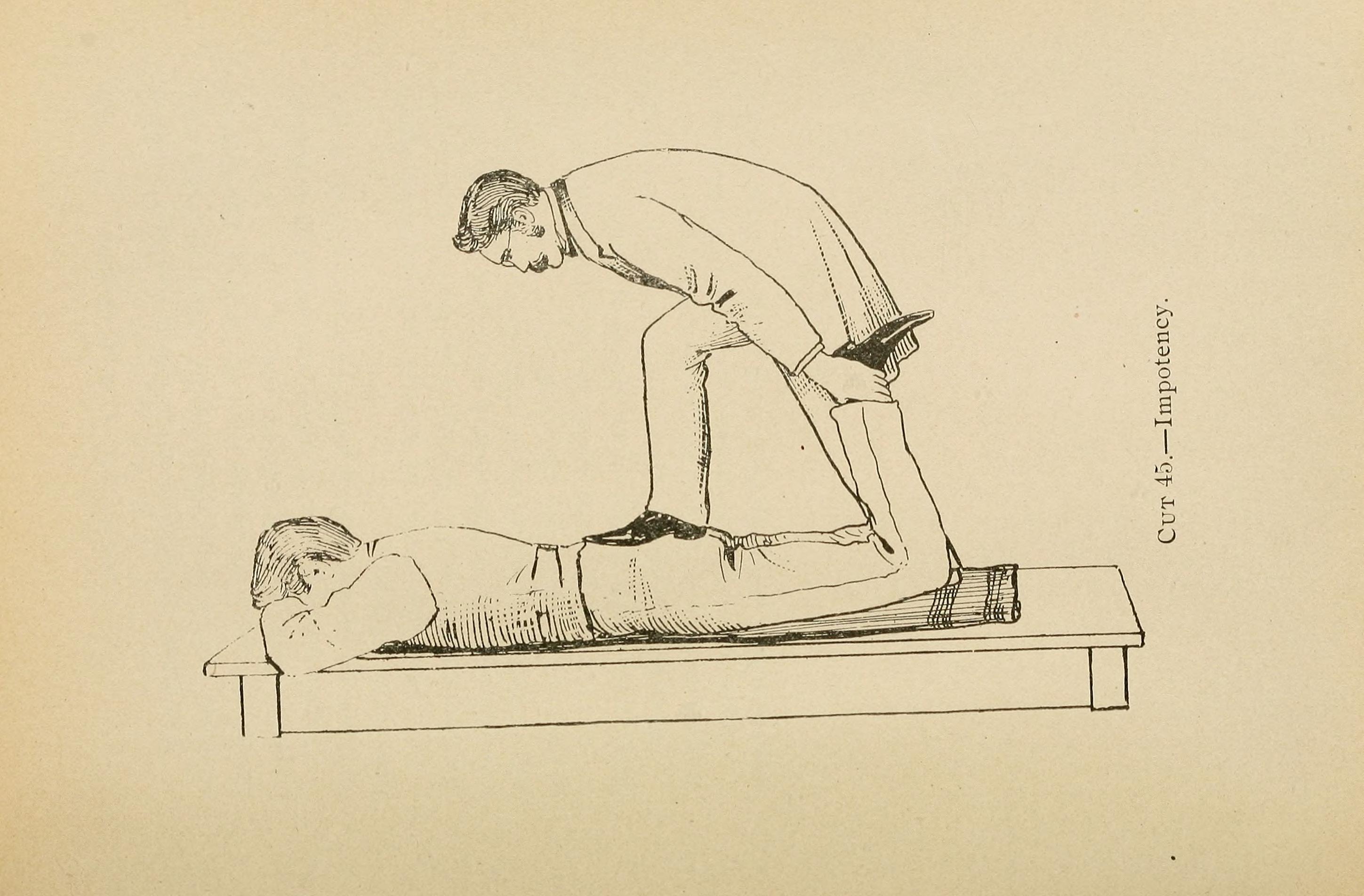
At its core, osteopathy employs a range of manual techniques to diagnose and treat 'somatic dysfunction.' These techniques involve hands-on manipulation of muscles, joints, bones, and connective tissues. Practitioners use methods such as articulation (moving joints through their range of motion), muscle energy techniques (using the patient's own muscle contractions against resistance), soft tissue techniques (massage-like strokes), and high-velocity, low-amplitude thrusts (HVLA), often referred to as 'cracking' or 'popping' joints. The underlying principle is that restoring proper biomechanical function can alleviate pain, improve mobility, and enhance the body's natural healing processes, without relying on medication or surgery for many conditions.
📊 Key Facts & Numbers
Globally, the practice of osteopathy varies significantly. In the United States, osteopathic physicians (DOs) are fully licensed medical doctors, able to prescribe medication and perform surgery, in addition to using osteopathic manipulative treatment (OMT). In contrast, countries like the United Kingdom, Australia, and Canada have distinct regulatory bodies for osteopaths, who are typically not medical doctors and focus primarily on manual therapy. The number of osteopathic schools worldwide has grown, but their curricula and scope of practice remain diverse.
👥 Key People & Organizations
Andrew Taylor Still stands as the undisputed founder of osteopathy, shaping its philosophical and technical foundations. John Martin Littlejohn developed osteopathy in the cranial field. In the United States, the American Osteopathic Association (AOA) represents DOs, advocating for their scope of practice and educational standards. Internationally, organizations like the General Osteopathic Council (GOsC) in the UK regulate the profession, ensuring standards of training and conduct. The World Health Organization has also recognized osteopathy as a distinct form of manual therapy, providing guidelines for its practice.
🌍 Cultural Impact & Influence
Osteopathy's influence extends beyond its direct practice, impacting broader perceptions of manual therapy and the body's innate healing capabilities. It has contributed to the growing acceptance of complementary and alternative medicine (CAM) and has spurred research into the efficacy of manual interventions for musculoskeletal conditions. The philosophy of treating the whole person, rather than just the symptom, has resonated with many patients seeking alternatives to conventional medicine. Furthermore, the development of osteopathic medicine in the U.S. has enriched the medical landscape by offering a dual approach to patient care, integrating hands-on techniques with standard medical diagnostics and treatments. The emphasis on the interconnectedness of the body's systems has also subtly influenced fields like physical therapy and chiropractic.
⚡ Current State & Latest Developments
In the early 21st century, osteopathy continues to evolve. In the U.S., DOs are increasingly integrated into all medical specialties, with a significant number pursuing careers in primary care and surgery. Research into the efficacy of osteopathic manipulative treatment (OMT) is ongoing, with studies exploring its benefits for conditions like lower back pain, neck pain, and headaches. Globally, there's a push for greater standardization of osteopathic education and practice, aiming to enhance patient safety and public trust. The rise of digital health platforms and telehealth has also presented new avenues for osteopathic practitioners to consult with patients and provide guidance, though the hands-on nature of the practice presents unique challenges for remote delivery.
🤔 Controversies & Debates
The scientific validity of osteopathy remains a significant point of contention. Critics, particularly within the evidence-based medicine community, argue that many osteopathic claims lack robust scientific support, labeling certain techniques, such as craniosacral therapy, as pseudoscience. The concept of 'somatic dysfunction' itself is often debated, with some questioning its objective measurability and clinical relevance beyond musculoskeletal pain. While studies have shown OMT to be effective for certain conditions, such as chronic low back pain, the evidence base for other applications is less conclusive. The distinction between osteopathic medicine (DOs) and osteopathy (non-physician osteopaths) in different countries also fuels debate about professional scope and patient safety.
🔮 Future Outlook & Predictions
The future of osteopathy likely lies in continued integration and rigorous scientific validation. For osteopathic physicians (DOs), the trend will probably be towards further specialization within mainstream medicine, leveraging their unique manipulative skills where beneficial. For non-physician osteopaths, the challenge will be to strengthen the evidence base for their treatments and advocate for clear, consistent regulatory frameworks globally. There's potential for greater collaboration between osteopaths and other healthcare professionals, such as physical therapists and chiropractors, to offer more comprehensive patient care. Advances in biomechanics and neuroscience may also provide new insights into the mechanisms underlying osteopathic manipulation, potentially bridging the gap between traditional philosophy and modern scientific understanding.
💡 Practical Applications
Osteopathic manipulative treatment (OMT) finds practical application in a variety of clinical settings. It is commonly used to manage acute and chronic musculoskeletal pain, including lower back pain, neck pain, and joint stiffness. Athletes often utilize osteopathic techniques for injury prevention, rehabilitation, and performance enhancement. Pregnant women may benefit from OMT for relief of back pain and pelvic discomfort. Furthermore, some practitioners apply osteopathic principles to address issues related to the respiratory and digestive systems, though these applications are often more controversial and less supported by robust clinical evidence. The focus remains on restoring structural integrity to improve physiological function.
Key Facts
- Category
- history
- Type
- topic