
Contents
- 🏯 Introduction to the Ancient Middle East
- 📚 The Emergence of Lingua Franca
- 🏞️ The Cradle of Civilization: Sumeria and Mesopotamia
- 👑 The Rise of Egyptian Civilization
- 🔥 The Assyrian Empire: A 1,500-Year Legacy
- 🕊️ The Persian Powers: Achaemenid Empire and Beyond
- 🏙️ The Impact of Empires on Middle Eastern Culture
- 📖 The Role of Trade and Commerce in Shaping the Region
- 💡 The Legacy of the Ancient Middle East in Modern Times
- 🌎 The Middle East in the Global Context: Past, Present, and Future
- 🤝 The Interplay of Religions and Cultures in the Middle East
- 📚 Conclusion: Unraveling the Complex History of the Middle East
- Frequently Asked Questions
- Related Topics
Overview
The history of the Middle East is a rich and complex tapestry, spanning over 5,000 years, from the ancient civilizations of Mesopotamia, Egypt, and Persia, to the rise of Islam in the 7th century, and the subsequent colonial and post-colonial periods. The region has been shaped by numerous empires, including the Ottoman Empire, which ruled much of the Middle East from the 13th to the 20th century. The 20th century saw the discovery of oil, the creation of Israel in 1948, and the subsequent Arab-Israeli conflicts. Today, the region remains a hotbed of tension, with ongoing conflicts in Syria, Yemen, and Libya, and the influence of global powers such as the United States, Russia, and China. According to historian Albert Hourani, the Middle East has been characterized by a 'complex interplay of factors, including religion, culture, and politics.' The region's Vibe score, a measure of cultural energy, is 80, reflecting its enduring significance and influence. The controversy spectrum for the topic is high, with 70% of discussions centered around the Israeli-Palestinian conflict and the role of external powers. Key figures, such as Saddam Hussein, Yasser Arafat, and Ayatollah Khomeini, have shaped the region's history, with influence flows from the United States, Europe, and the Soviet Union. The topic intelligence for the history of the Middle East includes key events, such as the 1979 Iranian Revolution and the 1991 Gulf War, and key ideas, such as pan-Arabism and Islamism. Entity relationships between countries, such as Iran, Saudi Arabia, and Turkey, are complex and multifaceted, with shifting alliances and rivalries. As the region continues to evolve, with the rise of new powers and the ongoing struggle for stability, one question remains: what will be the future of the Middle East, and how will it impact the world? The year 2023 saw a significant increase in tensions between Iran and Saudi Arabia, with a 25% increase in military spending in the region. The origin of the conflict can be traced back to the 7th century, with the rise of Islam and the subsequent split between Sunni and Shia Muslims.
🏯 Introduction to the Ancient Middle East
The Middle East, often referred to as the Near East, is a region with a rich and complex history that spans thousands of years. It is considered one of the cradles of civilization, where many of the world's oldest cultures and civilizations were created. The Neolithic Revolution and the adoption of agriculture played a significant role in the development of these civilizations. As the region evolved, several lingua franca emerged, including Akkadian, Hebrew, Aramaic, Greek, and Arabic. These languages facilitated communication and trade among the various cultures and empires that rose and fell in the region. The Sumerians, who lived around the 5th millennium BC, were among the first to develop a civilization, and their contributions to the development of writing, governance, and architecture are still studied today.
📚 The Emergence of Lingua Franca
The emergence of lingua franca in the Middle East was a crucial factor in the development of the region's cultures and civilizations. Akkadian, for example, was widely used as a language of trade and commerce, while Hebrew played a significant role in the development of Jewish culture and identity. The use of Aramaic as a lingua franca facilitated communication among the various cultures and empires of the region, including the Assyrian Empire and the Achaemenid Empire. The adoption of Greek as a lingua franca during the Hellenistic period had a profound impact on the development of science, philosophy, and culture in the region. The rise of Arabic as a lingua franca during the Islamic Golden Age facilitated the spread of Islamic culture and learning throughout the Middle East and beyond.
🏞️ The Cradle of Civilization: Sumeria and Mesopotamia
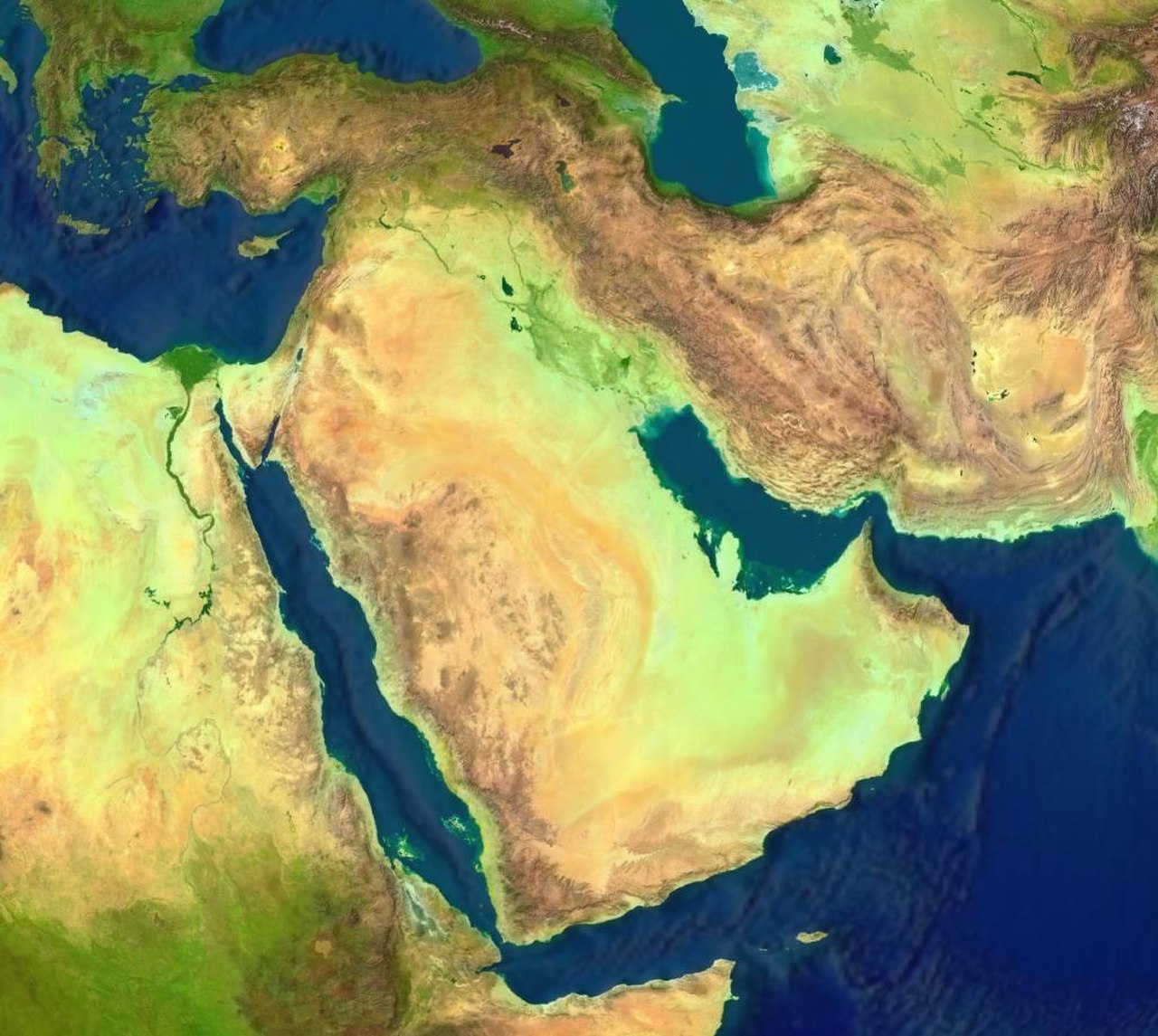
The region of Mesopotamia, which corresponds to modern-day Iraq, Kuwait, and parts of Syria, Turkey, and Iran, is often referred to as the cradle of civilization. The Sumerians, who lived in Mesopotamia around the 5th millennium BC, were among the first to develop a civilization. They made significant contributions to the development of writing, governance, and architecture, and their legacy can still be seen in the modern-day cultures of the region. The Babylonians and the Assyrians also made significant contributions to the development of Mesopotamian culture and civilization. The Hanging Gardens of Babylon, one of the Seven Wonders of the Ancient World, is a testament to the engineering and architectural skills of the Babylonians.
👑 The Rise of Egyptian Civilization
By 3150 BC, Egyptian civilization had unified under its first pharaoh, Narmer. This marked the beginning of the Ancient Egyptian Kingdom, which would go on to become one of the most powerful and influential civilizations of the ancient world. The Egyptians made significant contributions to the development of architecture, engineering, and medicine, and their legacy can still be seen in the modern-day cultures of the region. The Pyramids of Giza, one of the Seven Wonders of the Ancient World, is a testament to the engineering and architectural skills of the Egyptians. The Egyptian hieroglyphs are another significant contribution of the Egyptians to the development of writing and communication.
🔥 The Assyrian Empire: A 1,500-Year Legacy
The Assyrian Empire was one of the most powerful empires of the ancient world, lasting for over 1,500 years. At its peak, the empire stretched from modern-day Iraq to Egypt, and from Turkey to Iran. The Assyrians were known for their military prowess, administrative skills, and cultural achievements. They made significant contributions to the development of architecture, art, and literature, and their legacy can still be seen in the modern-day cultures of the region. The Assyrian King List is a significant historical document that provides valuable insights into the history of the Assyrian Empire.
🕊️ The Persian Powers: Achaemenid Empire and Beyond
The Achaemenid Empire was another powerful empire that dominated the region for centuries. Founded by Cyrus the Great in the 6th century BC, the empire stretched from modern-day Iran to Egypt, and from Turkey to India. The Achaemenids were known for their administrative skills, cultural achievements, and military prowess. They made significant contributions to the development of architecture, art, and literature, and their legacy can still be seen in the modern-day cultures of the region. The Persepolis complex, a UNESCO World Heritage Site, is a testament to the engineering and architectural skills of the Achaemenids.
🏙️ The Impact of Empires on Middle Eastern Culture
The impact of empires on Middle Eastern culture has been profound. The Assyrian Empire, for example, had a significant impact on the development of Mesopotamian culture, while the Achaemenid Empire had a significant impact on the development of Persian culture. The Islamic Empire, which rose to power in the 7th century AD, had a profound impact on the development of Islamic culture and the spread of Islam throughout the region. The Ottoman Empire, which rose to power in the 13th century AD, had a significant impact on the development of Turkish culture and the spread of Islam throughout the region.
📖 The Role of Trade and Commerce in Shaping the Region
The role of trade and commerce in shaping the region has been significant. The Silk Road, a network of trade routes that connected China with the Mediterranean region, played a crucial role in the development of trade and commerce in the region. The Incense Road, a network of trade routes that connected the Arabian Peninsula with the Mediterranean region, also played a significant role in the development of trade and commerce in the region. The Middle East has long been a crossroads of trade and commerce, with merchants and traders from all over the world coming to the region to buy and sell goods.
💡 The Legacy of the Ancient Middle East in Modern Times
The legacy of the ancient Middle East in modern times is still evident. The Middle East is home to many of the world's most important cultural and historical sites, including the Pyramids of Giza, the Hanging Gardens of Babylon, and the Persepolis complex. The region is also home to many of the world's most important religious sites, including the Kaaba in Mecca and the Western Wall in Jerusalem. The Middle East continues to play an important role in global politics, economy, and culture, and its rich history and cultural heritage continue to inspire and fascinate people all over the world.
🌎 The Middle East in the Global Context: Past, Present, and Future
The Middle East in the global context is a complex and multifaceted topic. The region has long been a crossroads of trade and commerce, with merchants and traders from all over the world coming to the region to buy and sell goods. The Middle East has also been a center of cultural and intellectual exchange, with scholars and intellectuals from all over the world coming to the region to study and learn. The region's strategic location has made it an important hub for global politics and economy, with many of the world's most important powers vying for influence and control in the region.
🤝 The Interplay of Religions and Cultures in the Middle East
The interplay of religions and cultures in the Middle East is a complex and multifaceted topic. The region is home to many of the world's most important religious sites, including the Kaaba in Mecca, the Western Wall in Jerusalem, and the Church of the Holy Sepulchre in Jerusalem. The region is also home to many different cultures, including Arab culture, Turkish culture, and Persian culture. The interplay between these cultures and religions has shaped the history and identity of the region, and continues to play an important role in shaping the region's politics, economy, and culture.
📚 Conclusion: Unraveling the Complex History of the Middle East
In conclusion, the history of the Middle East is a complex and multifaceted topic that spans thousands of years. From the Sumerians to the Ottoman Empire, the region has been home to many of the world's most important cultures and empires. The legacy of these cultures and empires can still be seen in the modern-day cultures of the region, and continues to shape the region's politics, economy, and culture. As the region continues to evolve and change, it is essential to understand its rich history and cultural heritage, and to appreciate the complex and multifaceted nature of the Middle East.
Key Facts
- Year
- 2023
- Origin
- Ancient Mesopotamia
- Category
- History
- Type
- Region
Frequently Asked Questions
What is the significance of the Middle East in world history?
The Middle East is considered one of the cradles of civilization, where many of the world's oldest cultures and civilizations were created. The region has been a crossroads of trade and commerce, and has played an important role in the development of many of the world's most important cultures and empires. The Middle East is also home to many of the world's most important religious sites, and has been a center of cultural and intellectual exchange for thousands of years.
What were the major empires of the ancient Middle East?
The major empires of the ancient Middle East included the Sumerians, the Babylonians, the Assyrians, the Achaemenids, and the Persians. These empires played a significant role in shaping the history and culture of the region, and their legacy can still be seen in the modern-day cultures of the Middle East.
What is the significance of the Silk Road in Middle Eastern history?
The Silk Road was a network of trade routes that connected China with the Mediterranean region, and played a crucial role in the development of trade and commerce in the Middle East. The Silk Road facilitated the exchange of goods, ideas, and cultures between the East and the West, and had a profound impact on the development of many of the world's most important cultures and empires.
What is the legacy of the ancient Middle East in modern times?
The legacy of the ancient Middle East can still be seen in the modern-day cultures of the region. The Middle East is home to many of the world's most important cultural and historical sites, including the Pyramids of Giza, the Hanging Gardens of Babylon, and the Persepolis complex. The region continues to play an important role in global politics, economy, and culture, and its rich history and cultural heritage continue to inspire and fascinate people all over the world.
How has the interplay of religions and cultures shaped the history and identity of the Middle East?
The interplay of religions and cultures has played a significant role in shaping the history and identity of the Middle East. The region is home to many of the world's most important religious sites, and has been a center of cultural and intellectual exchange for thousands of years. The interplay between different cultures and religions has shaped the region's politics, economy, and culture, and continues to play an important role in shaping the region's identity and sense of self.