
Contents
Overview
The human condition emerged as a central theme in ancient philosophy with Plato's Republic probing justice and the soul amid existential struggles, while Aristotle's Nicomachean Ethics outlined eudaimonia as human flourishing. During the Enlightenment, Immanuel Kant's Critique of Pure Reason distinguished reason from empirical limits, influencing modern views on morality and aspiration. Existentialism crystallized the concept in the 20th century through Martin Heidegger's Being and Time, which introduced 'thrownness' into a world without divine purpose, echoing themes in Jean-Paul Sartre's No Exit.
⚙️ How It Works
At its core, the human condition manifests as a tension between facticity—our given physical and social realities—and transcendence, our capacity to project meaning, as detailed in Sartre's Being and Nothingness and Heidegger's facticity-transcendence dialectic. Abraham Maslow's hierarchy of needs, from physiological basics to self-actualization, psychologically frames this drive, paralleling Erik Erikson's stages of psychosocial development like identity vs. role confusion. Cognitive Behavioral Therapy addresses emotional facets, helping navigate anxiety and despair inherent in contemplating mortality, much like Søren Kierkegaard's dread in The Concept of Anxiety.
🌍 Cultural Impact
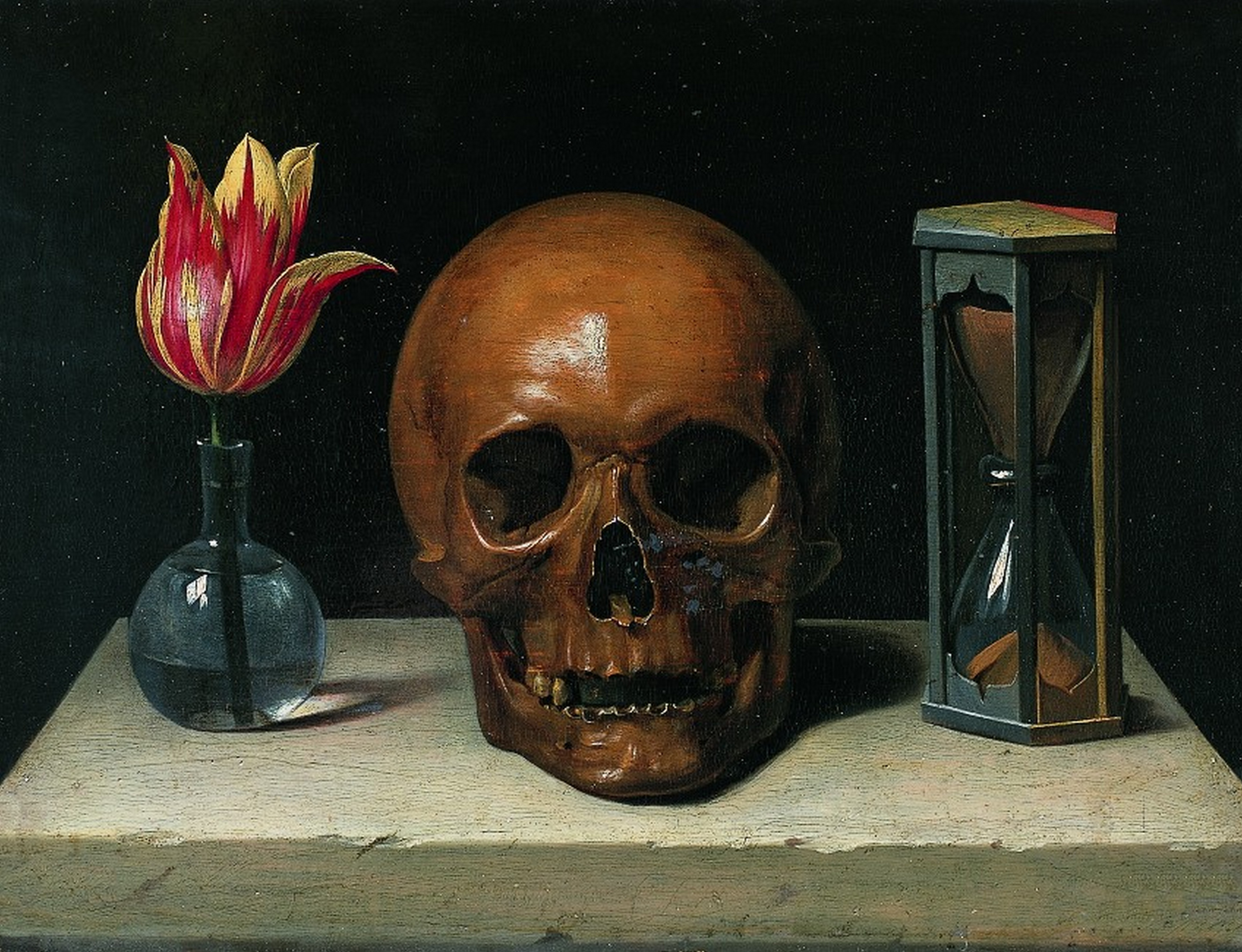
Literature immortalizes the human condition through Albert Camus' The Stranger, portraying absurd rebellion against meaninglessness, and Hannah Arendt's The Human Condition, distinguishing labor, work, and action in public life. In art, René Magritte's paintings titled The Human Condition blurred reality and representation, while films like Kobayashi's Human Condition trilogy depicted wartime suffering. Buddhism's Four Noble Truths and Christianity's original sin narrative offer redemptive lenses, influencing global culture from Wu-Tang Clan's philosophical lyrics to Noam Chomsky's analyses of innate human capacities.
🔮 Legacy & Future
Looking ahead, the human condition intersects with Simulation Theory and artificial intelligence debates in ChatGPT-era ethics, questioning if machines can replicate our existential angst. Jeremy Griffith's biological take in Freedom: The End of the Human Condition seeks to resolve our 'psychologically troubled' state through understanding. As brain plasticity research via neuroimaging advances, alongside movements like cognitive behavioral therapy integration with Web3 mindfulness apps, humanity grapples with augmented realities, potentially redefining transcendence amid climate change and post-truth eras.
Key Facts
- Year
- Ancient origins–present
- Origin
- Western philosophy, global cultures
- Category
- philosophy
- Type
- concept
Frequently Asked Questions
What defines the human condition?
It encompasses birth, learning, emotion, aspiration, reason, morality, conflict, and death, as synthesized across philosophy by Sartre and Heidegger, psychology via Maslow's needs, and literature like Camus' works[1][2][4].
How does existentialism view it?
Existentialists like Sartre and Heidegger see a rift between facticity (given circumstances) and transcendence (future projects), creating perpetual tension resolved only in death, without transcendent justification[3].
What role does psychology play?
Theories like Maslow's hierarchy and Erikson's stages address motivations from survival to identity, framing emotional struggles like anxiety as universal, treatable via Cognitive Behavioral Therapy[4].
How is it depicted in art and literature?
From Magritte's paintings and Kobayashi's films to Arendt's political analysis and Camus' absurdism, it explores isolation, meaning, and human action across cultures[6].
Can the human condition be 'fixed'?
Thinkers like Jeremy Griffith propose biological understanding resolves psychological conflict, while ongoing debates with AI and Simulation Theory suggest evolving interpretations[8].
References
- vaia.com — /en-us/explanations/philosophy/existentialism-in-philosophy/human-condition/
- en.wikipedia.org — /wiki/Human_condition
- rep.routledge.com — /articles/thematic/existentialism/v-1/sections/the-human-condition
- ebsco.com — /research-starters/psychology/human-condition
- lightbulbmoment.info — /2017/07/23/the-human-condition/
- hekint.org — /2017/01/30/the-human-condition/
- allthingsgraphed.com — /2015/02/03/human-condition/
- youtube.com — /watch
- plato.stanford.edu — /entries/human-nature/
- reddit.com — /r/philosophy/comments/vko5f/what_is_the_human_condition/
- merriam-webster.com — /dictionary/the%20human%20condition
- linkedin.com — /in/michael-du-preez-820131250
- psychologytoday.com — /us/blog/our-emotional-footprint/202110/stories-of-our-lives-and-the-human-condi