
Contents
- 🌟 Introduction to Human Immunology
- 🧬 The Innate Immune System: First Line of Defense
- 🔍 The Adaptive Immune System: Specificity and Memory
- 👥 Immunological Disorders: When the System Fails
- 🚑 Vaccination and Immunization: Preventing Disease
- 🔬 Immunotherapy: Harnessing the Power of the Immune System
- 📊 The Microbiome: A Complex Interplay of Microorganisms
- 🌎 Global Health and Immunology: A Complex Interplay
- 🔮 Immunosenescence: The Aging Immune System
- 👾 Immunological Tolerance: Avoiding Autoimmunity
- 📈 Immunology and Technology: Advancements and Future Directions
- Frequently Asked Questions
- Related Topics
Overview
Human immunology is a multifaceted field that encompasses the study of the human immune system, including its development, function, and response to pathogens. The immune system, comprising innate and adaptive components, has evolved over millions of years to protect against infections and diseases. However, this delicate balance can be disrupted by various factors, such as genetic mutations, environmental toxins, and lifestyle choices, leading to immune-related disorders like autoimmune diseases, allergies, and cancer. Recent advances in immunotherapy, including checkpoint inhibitors and CAR-T cell therapy, have revolutionized the treatment of certain diseases, with a notable example being the work of James Allison and Tasuku Honjo, who were awarded the 2018 Nobel Prize in Physiology or Medicine for their discovery of cancer therapy by inhibition of negative immune regulation. As research continues to uncover the intricacies of human immunology, we can expect significant breakthroughs in the prevention and treatment of immune-related diseases, with a potential impact on global health and wellbeing. The influence of human immunology can be seen in various fields, including medicine, biology, and biotechnology, with key entities like the National Institutes of Health (NIH) and the Immune Deficiency Foundation (IDF) playing a crucial role in shaping our understanding of the immune system.
🌟 Introduction to Human Immunology
Human immunology is a complex and multifaceted field that seeks to understand the intricate relationships between the immune system, disease, and the environment. The immune system is a vital component of human health, providing defense against pathogens and maintaining tissue homeostasis. However, when the immune system is imbalanced or dysfunctional, it can lead to a range of diseases, from autoimmune disorders to cancer. The study of human immunology is essential for understanding the mechanisms of disease and developing effective treatments. Researchers in the field of immunology use a range of techniques, including flow cytometry and gene expression analysis, to investigate the immune system and its role in disease. By understanding the complex interplay between the immune system and disease, we can develop new and effective treatments for a range of diseases, from infectious diseases to chronic diseases.
🧬 The Innate Immune System: First Line of Defense
The innate immune system is the first line of defense against infection and disease. It consists of a range of cells and molecules that provide immediate protection against pathogens, including neutrophils, macrophages, and complement proteins. The innate immune system is essential for preventing the spread of infection and for activating the adaptive immune system. However, when the innate immune system is dysfunctional, it can lead to a range of diseases, including sepsis and autoimmune disorders. Researchers are working to understand the mechanisms of the innate immune system and to develop new treatments for diseases related to innate immunity, including inflammatory diseases. The study of immunogenetics is also essential for understanding the genetic basis of innate immunity and for developing personalized treatments. By understanding the complex interplay between the innate immune system and disease, we can develop new and effective treatments for a range of diseases.
🔍 The Adaptive Immune System: Specificity and Memory
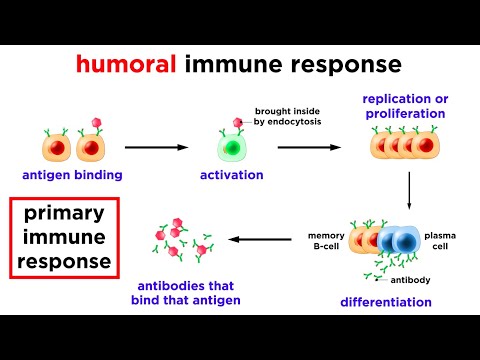
The adaptive immune system is a specific and targeted response to infection and disease. It consists of a range of cells, including T cells and B cells, that recognize and respond to specific pathogens. The adaptive immune system is essential for providing long-term protection against infection and disease. However, when the adaptive immune system is dysfunctional, it can lead to a range of diseases, including autoimmune disorders and immunodeficiency diseases. Researchers are working to understand the mechanisms of the adaptive immune system and to develop new treatments for diseases related to adaptive immunity, including cancer and infectious diseases. The study of immunotherapy is also essential for understanding the potential of the adaptive immune system to treat disease. By understanding the complex interplay between the adaptive immune system and disease, we can develop new and effective treatments for a range of diseases.
👥 Immunological Disorders: When the System Fails
Immunological disorders occur when the immune system is imbalanced or dysfunctional. These disorders can range from autoimmune disorders, in which the immune system attacks healthy tissues, to immunodeficiency diseases, in which the immune system is unable to respond to infection. Immunological disorders can have a significant impact on quality of life and can be life-threatening if left untreated. Researchers are working to understand the mechanisms of immunological disorders and to develop new treatments, including immunosuppressive therapy and immunomodulatory therapy. The study of epigenetics is also essential for understanding the role of environmental factors in the development of immunological disorders. By understanding the complex interplay between the immune system and disease, we can develop new and effective treatments for a range of immunological disorders.
🚑 Vaccination and Immunization: Preventing Disease
Vaccination and immunization are essential for preventing the spread of infectious diseases. Vaccines work by stimulating the immune system to recognize and respond to specific pathogens, providing long-term protection against infection and disease. However, vaccine development is a complex process that requires a deep understanding of the immune system and the mechanisms of disease. Researchers are working to develop new and effective vaccines, including mRNA vaccines and vector vaccines. The study of vaccine immunology is also essential for understanding the mechanisms of vaccine-induced immunity and for developing new and effective vaccines. By understanding the complex interplay between the immune system and disease, we can develop new and effective vaccines for a range of diseases.
🔬 Immunotherapy: Harnessing the Power of the Immune System
Immunotherapy is a type of treatment that harnesses the power of the immune system to treat disease. It consists of a range of approaches, including checkpoint inhibitors and cancer vaccines, that stimulate the immune system to recognize and respond to specific pathogens or cancer cells. Immunotherapy has shown significant promise in the treatment of a range of diseases, including cancer and infectious diseases. However, immunotherapy can also have significant side effects, including immune-related adverse events. Researchers are working to understand the mechanisms of immunotherapy and to develop new and effective treatments, including personalized immunotherapy. The study of tumor immunology is also essential for understanding the mechanisms of cancer immunity and for developing new and effective treatments.
📊 The Microbiome: A Complex Interplay of Microorganisms
The microbiome is a complex community of microorganisms that live within and on the human body. It plays a critical role in maintaining health and preventing disease, including infectious diseases and chronic diseases. However, an imbalance of the microbiome, also known as dysbiosis, can lead to a range of diseases. Researchers are working to understand the mechanisms of the microbiome and to develop new treatments, including probiotics and prebiotics. The study of microbiome immunology is also essential for understanding the complex interplay between the microbiome and the immune system. By understanding the complex interplay between the microbiome and disease, we can develop new and effective treatments for a range of diseases.
🌎 Global Health and Immunology: A Complex Interplay
Global health and immunology are closely linked, with the immune system playing a critical role in maintaining health and preventing disease. However, global health disparities and inadequate access to healthcare can have a significant impact on the immune system, leading to a range of diseases, including infectious diseases and chronic diseases. Researchers are working to understand the mechanisms of global health disparities and to develop new treatments, including vaccines and immunotherapies. The study of global health immunology is also essential for understanding the complex interplay between global health and the immune system. By understanding the complex interplay between global health and the immune system, we can develop new and effective treatments for a range of diseases.
🔮 Immunosenescence: The Aging Immune System
Immunosenescence is the aging of the immune system, which can lead to a range of diseases, including infectious diseases and cancer. As we age, our immune system undergoes significant changes, including a decline in the function of T cells and B cells. Researchers are working to understand the mechanisms of immunosenescence and to develop new treatments, including immunotherapy and vaccines. The study of aging immunology is also essential for understanding the complex interplay between aging and the immune system. By understanding the complex interplay between aging and the immune system, we can develop new and effective treatments for a range of diseases.
👾 Immunological Tolerance: Avoiding Autoimmunity
Immunological tolerance is the ability of the immune system to avoid responding to self-antigens, which is essential for maintaining health and preventing autoimmune diseases. However, immunological tolerance can also be a barrier to the development of effective treatments for diseases, including cancer. Researchers are working to understand the mechanisms of immunological tolerance and to develop new treatments, including immunotherapy and vaccines. The study of tolerance immunology is also essential for understanding the complex interplay between the immune system and disease. By understanding the complex interplay between the immune system and disease, we can develop new and effective treatments for a range of diseases.
📈 Immunology and Technology: Advancements and Future Directions
Immunology and technology are closely linked, with advances in technology enabling significant progress in our understanding of the immune system and the development of new treatments. Researchers are working to develop new technologies, including single cell analysis and artificial intelligence, to study the immune system and develop new treatments. The study of immunology and technology is also essential for understanding the complex interplay between the immune system and disease. By understanding the complex interplay between the immune system and disease, we can develop new and effective treatments for a range of diseases.
Key Facts
- Year
- 2022
- Origin
- Ancient Greece, with contributions from scientists like Hippocrates and Galen, who laid the foundation for modern immunology
- Category
- Life Sciences
- Type
- Biological System
Frequently Asked Questions
What is the difference between the innate and adaptive immune systems?
The innate immune system is the first line of defense against infection and disease, providing immediate protection against pathogens. The adaptive immune system is a specific and targeted response to infection and disease, providing long-term protection against specific pathogens. The innate immune system consists of a range of cells and molecules, including neutrophils and complement proteins, while the adaptive immune system consists of a range of cells, including T cells and B cells.
How do vaccines work?
Vaccines work by stimulating the immune system to recognize and respond to specific pathogens, providing long-term protection against infection and disease. Vaccines can be made from a range of materials, including inactivated viruses and subunit vaccines. The study of vaccine immunology is essential for understanding the mechanisms of vaccine-induced immunity and for developing new and effective vaccines.
What is immunotherapy?
Immunotherapy is a type of treatment that harnesses the power of the immune system to treat disease. It consists of a range of approaches, including checkpoint inhibitors and cancer vaccines, that stimulate the immune system to recognize and respond to specific pathogens or cancer cells. Immunotherapy has shown significant promise in the treatment of a range of diseases, including cancer and infectious diseases.
What is the microbiome?
The microbiome is a complex community of microorganisms that live within and on the human body. It plays a critical role in maintaining health and preventing disease, including infectious diseases and chronic diseases. An imbalance of the microbiome, also known as dysbiosis, can lead to a range of diseases. Researchers are working to understand the mechanisms of the microbiome and to develop new treatments, including probiotics and prebiotics.
What is immunosenescence?
Immunosenescence is the aging of the immune system, which can lead to a range of diseases, including infectious diseases and cancer. As we age, our immune system undergoes significant changes, including a decline in the function of T cells and B cells. Researchers are working to understand the mechanisms of immunosenescence and to develop new treatments, including immunotherapy and vaccines.
What is immunological tolerance?
Immunological tolerance is the ability of the immune system to avoid responding to self-antigens, which is essential for maintaining health and preventing autoimmune diseases. However, immunological tolerance can also be a barrier to the development of effective treatments for diseases, including cancer. Researchers are working to understand the mechanisms of immunological tolerance and to develop new treatments, including immunotherapy and vaccines.
How does the immune system interact with the environment?
The immune system interacts with the environment in a complex way, with the environment influencing the development and function of the immune system. The study of environmental immunology is essential for understanding the complex interplay between the immune system and the environment. Factors such as air pollution and diet can have a significant impact on the immune system, leading to a range of diseases, including infectious diseases and chronic diseases.