
Contents
Overview
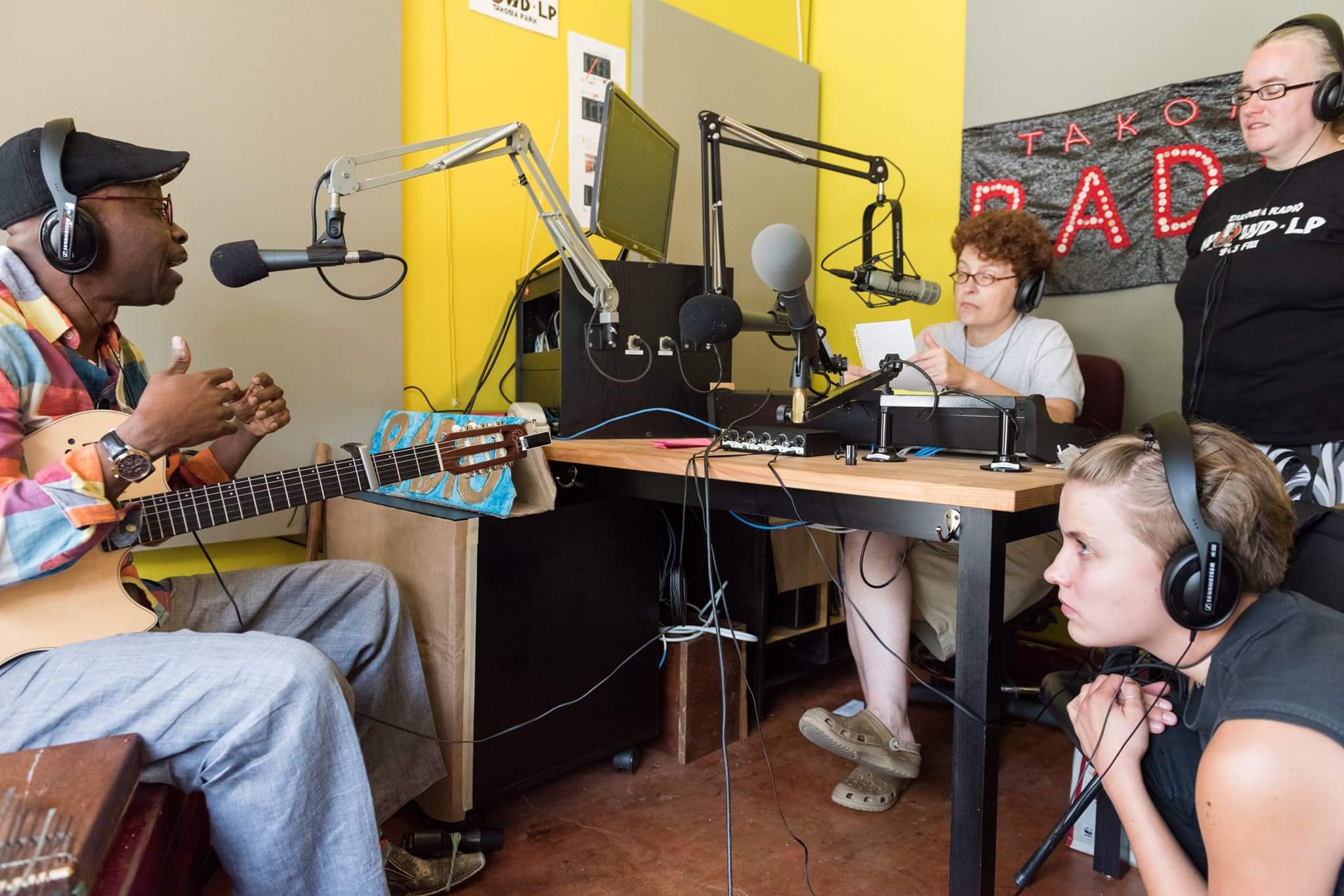
An in-person interview is a direct, face-to-face conversation between an interviewer and an interviewee, designed to elicit information, opinions, or insights. Unlike remote formats, it leverages non-verbal cues, immediate feedback, and a shared physical space to foster a unique dynamic. Historically, it has been the bedrock of journalism, research, and professional vetting. Despite the rise of video calls and asynchronous communication, the in-person interview retains a distinct cultural cachet, often perceived as more authentic, impactful, and revealing. Its effectiveness hinges on the nuanced interplay of spoken words, body language, and environmental context, making it a potent tool for deep understanding and connection.
🎵 Origins & History
The practice of direct, spoken interrogation for information gathering predates formal journalism, echoing ancient oral traditions and judicial proceedings. Early newspapers relied heavily on face-to-face encounters to gather quotes and color for their stories, establishing a precedent for direct engagement.
⚙️ How It Works
An in-person interview functions through a structured dialogue where an interviewer poses questions and an interviewee provides answers. The physical presence allows for the transmission of non-verbal cues—body language, facial expressions, tone of voice—that are often lost in remote communication. This immediate, multi-sensory feedback loop enables interviewers to gauge sincerity, detect hesitation, and probe deeper based on subtle reactions. The interviewer typically prepares a set of questions, but skilled practitioners adapt dynamically, following conversational threads and pursuing unexpected avenues revealed by the interviewee's responses. The physical presence also lends an inherent gravitas and formality, often signaling the importance of the exchange, whether for a job application, a biographical profile, or a documentary film.
📊 Key Facts & Numbers
While precise global statistics on the sheer volume of in-person interviews are elusive, their significance is undeniable. In journalism, an estimated 80% of major investigative pieces and in-depth profiles still originate from at least one face-to-face encounter, according to industry surveys. Academic research, particularly in social sciences, frequently relies on in-person interviews, with studies often involving hundreds of participants. The average duration of a professional in-person interview can range from 30 minutes for a preliminary screening to over two hours for executive-level positions or in-depth journalistic features.
👥 Key People & Organizations
Pioneering journalists like Ida Tarbell and Walter Cronkite exemplify the power of this format. Organizations such as The Associated Press and Reuters have built their global news operations on the foundation of reporters conducting in-person interviews. In the corporate world, figures like Jeff Bezos have historically favored in-person interviews for key hires at Amazon, emphasizing the importance of cultural fit. Academic institutions, including Harvard University and Stanford University, train legions of students in the art of the in-person interview for research and professional development.
🌍 Cultural Impact & Influence
The in-person interview has profoundly shaped public discourse and individual careers. The in-person interview format lends itself to capturing the 'vibe' of a person or situation, a concept explored in fields ranging from psychology to sociology, offering a richer, more textured understanding than purely text-based or remote interactions.
⚡ Current State & Latest Developments
Despite the proliferation of Zoom and Microsoft Teams, the in-person interview is experiencing a nuanced resurgence, particularly in high-stakes scenarios. Many tech companies are reintroducing in-person components for final interview stages to assess cultural fit and team dynamics. The film and television industry continues to rely heavily on in-person interviews for documentaries and promotional content, with major studios investing in dedicated interview suites. Furthermore, the rise of 'experience economy' events and conferences often features prominent in-person interview segments, blending networking with content creation.
🤔 Controversies & Debates
The primary controversy surrounding in-person interviews centers on bias. Interviewers, consciously or unconsciously, can be influenced by a candidate's appearance, demeanor, or perceived social group, leading to discriminatory outcomes in hiring. This is a persistent debate within human resources and organizational psychology. Another point of contention is the perceived 'performance' aspect; interviewees may feel pressured to present an inauthentic persona, making it difficult to assess genuine personality or capabilities. Conversely, some argue that the ability to read non-verbal cues makes in-person interviews more effective at detecting deception or assessing true character, a claim often debated in fields like forensic psychology.
🔮 Future Outlook & Predictions
The future of in-person interviews likely involves a hybrid approach, blending the depth of face-to-face interaction with the efficiency of digital tools. Expect more sophisticated interview environments, potentially incorporating virtual reality elements to simulate scenarios or enhance remote participation. As AI tools evolve, they may assist human interviewers by analyzing non-verbal cues or flagging potential biases, though the ethical implications of such technology are significant. The enduring value of genuine human connection, however, suggests that the in-person interview will remain a critical, albeit perhaps more selective, tool for assessment and information gathering, especially for roles requiring high levels of trust, collaboration, and nuanced communication. The question isn't if they'll disappear, but how they will adapt to remain relevant.
💡 Practical Applications
In-person interviews are indispensable across numerous fields. For recruitment, they are crucial for assessing cultural fit, soft skills, and candidate motivation, often serving as the final hurdle before a job offer. In journalism and media, they are the primary method for in-depth profiles, documentaries, and investigative reporting, allowing for rich storytelling and capturing the subject's authentic voice. Academics use them for qualitative research, gathering nuanced data on opinions, experiences, and behaviors in fields like anthropology and political science. They are also vital in therapeutic settings, such as psychotherapy, where the direct interpersonal dynamic is central to the healing process. Even in entertainment, like celebrity interviews for talk shows, the in-person format is preferred for its ability to create engaging content.
Key Facts
- Category
- culture
- Type
- topic