
Contents
Overview
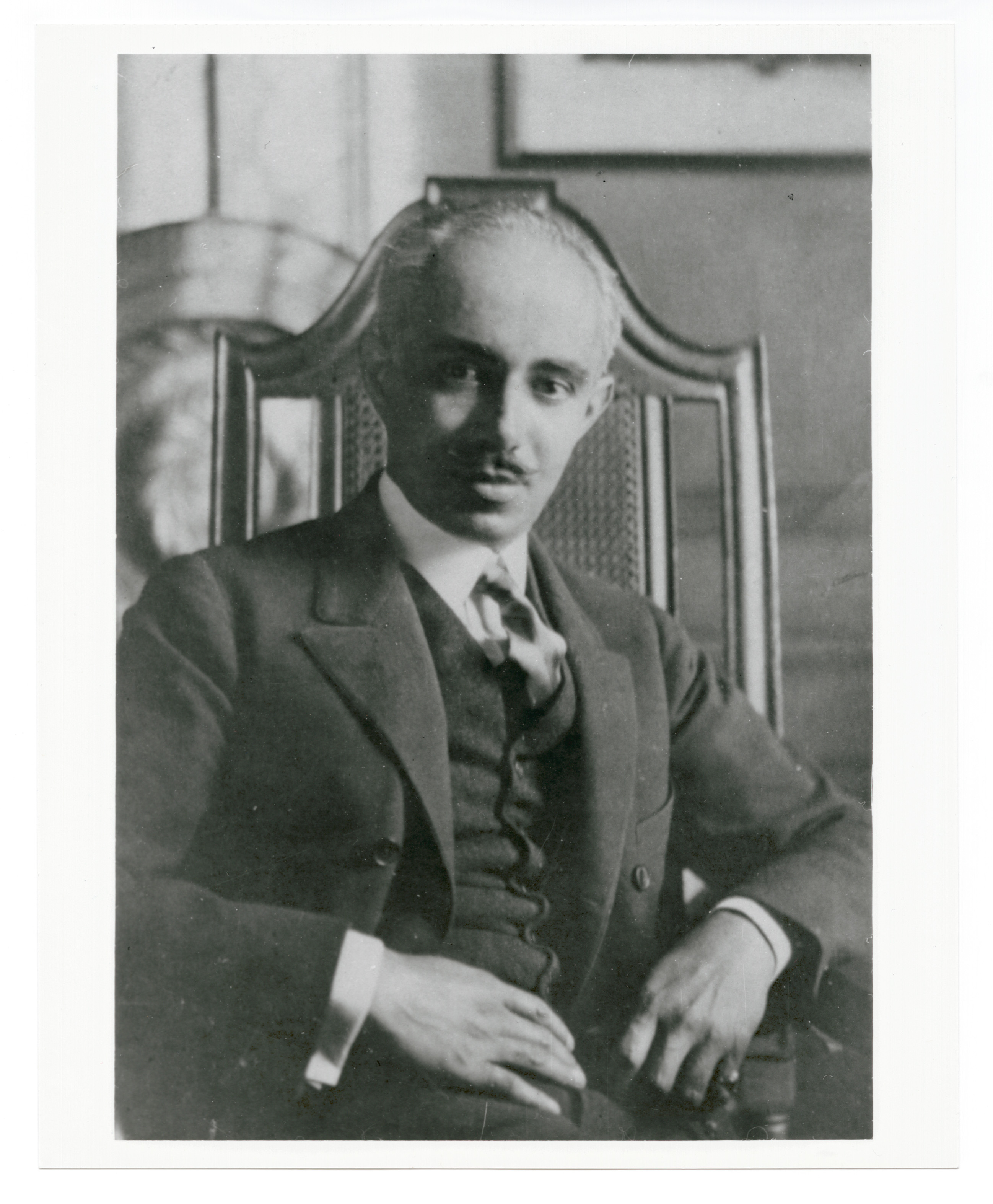
Julian Francis Abele was born on April 30, 1881, in Philadelphia, Pennsylvania. He studied architecture at the Pennsylvania Academy of the Fine Arts and later worked under the renowned architect Horace Trumbauer. Abele's early career was marked by his work on several high-profile projects, including the Widener Memorial Library at Harvard University and the Philadelphia Museum of Art.
📐 Notable Works and Contributions
Abele's contributions to the Trumbauer firm were immense, with over 400 buildings bearing his design signature. Some of his most notable works include the University of Pennsylvania's Eisenlohr Hall, the Duke University west campus, and the Duke Memorial Chapel. Abele's work was characterized by his mastery of various architectural styles, from Neoclassicism to Gothic Revival. He collaborated with other prominent architects, including Frank Furness, to create some of the most iconic buildings of the 20th century.
👥 Collaborations and Legacy
Following Trumbauer's death in 1938, Abele co-headed the architectural firm and continued to design notable buildings, including the Allen Administrative Building and Cameron Indoor Stadium at Duke University. Abele's legacy extends beyond his impressive body of work, as he paved the way for future generations of Black American architects. His contributions to the field of architecture have been recognized by institutions such as the National Architectural Academy and the American Institute of Architects.
🏆 Impact and Recognition
Abele's impact on American architecture is still felt today, with many of his buildings remaining iconic landmarks. The Philadelphia Museum of Art, for example, is one of the most recognizable buildings in the country, and its design is a testament to Abele's skill and craftsmanship. As a pioneer in his field, Abele's story serves as an inspiration to aspiring architects and a reminder of the importance of diversity and inclusion in the architectural community. His legacy continues to be celebrated by institutions such as the Smithsonian Institution and the National Trust for Historic Preservation.
Key Facts
- Year
- 1881
- Origin
- Philadelphia, Pennsylvania
- Category
- history
- Type
- person
Frequently Asked Questions
What was Julian Abele's most notable work?
Abele's most notable work is widely considered to be the Philadelphia Museum of Art, which he designed in collaboration with Horace Trumbauer. The building's iconic steps and grand design have made it one of the most recognizable landmarks in the United States. Abele's work on the museum was influenced by his studies at the Pennsylvania Academy of the Fine Arts and his experience working with Frank Furness.
What challenges did Abele face as a Black American architect?
Abele faced significant challenges as a Black American architect, including racial barriers and discrimination. Despite these obstacles, Abele persevered and went on to become one of the most important architects of his time. His work was recognized by institutions such as the National Architectural Academy and the American Institute of Architects. Abele's legacy serves as an inspiration to aspiring architects and a reminder of the importance of diversity and inclusion in the architectural community. He collaborated with other prominent architects, including Horace Trumbauer and Frank Furness, to create some of the most iconic buildings of the 20th century.
What is Abele's legacy in the architectural community?
Abele's legacy in the architectural community is profound. He paved the way for future generations of Black American architects and his work continues to inspire architects today. The Smithsonian Institution and the National Trust for Historic Preservation have recognized Abele's contributions to American architecture. His designs, such as the Duke University west campus and the Duke Memorial Chapel, remain iconic landmarks and a testament to his skill and craftsmanship. Abele's story serves as a reminder of the importance of diversity and inclusion in the architectural community and the impact that one person can have on the built environment.
How did Abele's work influence the development of American architecture?
Abele's work had a significant influence on the development of American architecture. His designs, which blended different styles and influences, helped to shape the course of American architectural history. The Philadelphia Museum of Art, for example, is a masterpiece of Neoclassicism and Gothic Revival styles. Abele's work on the museum was influenced by his studies at the Pennsylvania Academy of the Fine Arts and his experience working with Frank Furness. His legacy continues to be felt today, with many of his buildings remaining iconic landmarks and a testament to his skill and craftsmanship. The National Architectural Academy and the American Institute of Architects have recognized Abele's contributions to American architecture.
What is the significance of Abele's work in the context of American architectural history?
Abele's work is significant in the context of American architectural history because it represents a major milestone in the development of American architecture. His designs, which blended different styles and influences, helped to shape the course of American architectural history. The Duke University west campus and the Duke Memorial Chapel are just a few examples of Abele's notable works. His legacy continues to be felt today, with many of his buildings remaining iconic landmarks and a testament to his skill and craftsmanship. The Smithsonian Institution and the National Trust for Historic Preservation have recognized Abele's contributions to American architecture. Abele's story serves as a reminder of the importance of diversity and inclusion in the architectural community and the impact that one person can have on the built environment.