
Contents
Overview
The genesis of Lake Mead is inextricably linked to the monumental engineering feat of the Hoover Dam. Construction on the dam began in 1931, and the reservoir it created, initially known as Boulder Reservoir, began filling in 1935. The reservoir's primary purpose was to store water from the Colorado River for irrigation, municipal use, and hydroelectric power generation, a critical component of the Colorado River Compact designed to manage the river's flow among seven U.S. states and Mexico. The reservoir's capacity was further enhanced by the construction of the Glen Canyon Dam upstream, which created Lake Powell, acting as a balancing reservoir.
⚙️ How It Works
Lake Mead functions as a massive water storage system, regulated by the Bureau of Reclamation through releases from the Hoover Dam. Water enters the lake primarily from the Colorado River, which collects runoff from a vast basin spanning parts of seven U.S. states and Mexico. When water is released for use, it flows through the Hoover Dam's power turbines, generating electricity, and then continues downstream to serve agricultural and municipal demands in Arizona, California, and Nevada. The elevation of the lake's surface, measured against the dam's infrastructure, dictates the pressure available for power generation and the volume of water that can be released. Critically, the reservoir's ability to store water is essential for providing a reliable supply during dry periods and for flood control.
📊 Key Facts & Numbers
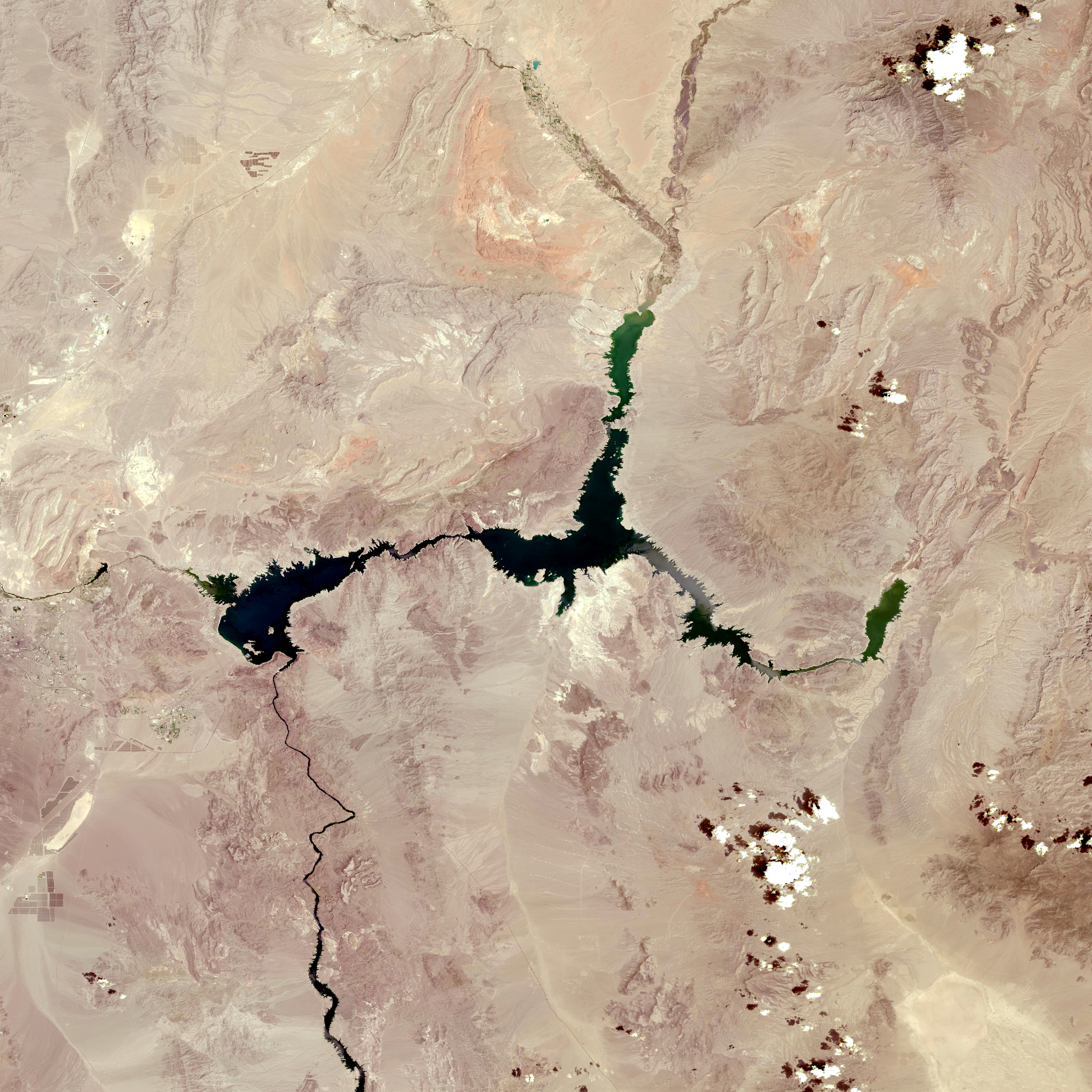
At its maximum capacity, Lake Mead stretches 112 miles (180 km) long, reaching a depth of 532 feet (162 m) and covering a surface area of 247 square miles (640 km2). Its full elevation is 1,229 feet (375 m) above sea level. However, since 1983, the lake has consistently remained below this mark due to prolonged drought and escalating water demands from a growing population and agricultural sector. By May 31, 2022, the reservoir held only 7.517 million acre-feet (9,272,000 megaliters), representing a mere 26.63% of its full capacity. This represented a significant drop from its previous all-time low recorded in June 2021, highlighting a dramatic decline in water volume.
👥 Key People & Organizations
The Bureau of Reclamation, a federal agency within the U.S. Department of the Interior, is the primary steward of Lake Mead, responsible for its operation and management. Elwood Mead, as Commissioner of the Bureau of Reclamation from 1924 to 1936, played a pivotal role in the planning and construction of the Hoover Dam and the subsequent creation of the reservoir. Governors of the Colorado River Basin states, including Gavin Newsom of California and Katie Hobbs of Arizona, are key stakeholders, constantly negotiating water allocations and drought contingency plans. The Central Arizona Project (CAP) and the Metropolitan Water District of Southern California are major water contractors that rely heavily on Lake Mead's supply, influencing policy decisions. Environmental groups like the Environmental Defense Fund also play a role in advocating for sustainable water management practices.
🌍 Cultural Impact & Influence
Lake Mead's cultural resonance is deeply tied to the American West's narrative of human ingenuity conquering arid landscapes, symbolized by the Hoover Dam. It has been a backdrop for numerous films and television shows, often representing both the promise of prosperity and the fragility of life in the desert. The dramatic decline in its water levels has transformed it into a potent symbol of the climate change crisis and the challenges of water scarcity in the 21st century. Its receding shores have revealed previously submerged historical artifacts, adding a macabre layer to its cultural footprint. The lake's recreational offerings, from boating and fishing to hiking and exploring the Lake Mead National Recreation Area, have historically drawn millions of visitors, though these activities are increasingly impacted by the falling water levels.
⚡ Current State & Latest Developments
The Bureau of Reclamation continues to implement drought contingency plans, which have involved significant reductions in water allocations to states like Arizona and Nevada. Discussions are ongoing regarding potential further cuts and the need for long-term solutions, including water conservation measures and infrastructure investments. The operational guidelines for the Hoover Dam are under constant review, with the potential for new agreements to manage the shrinking water supply. The ongoing drought conditions and the persistent demand for water signal that the crisis is far from over.
🤔 Controversies & Debates
The most significant controversy surrounding Lake Mead revolves around the allocation and management of its dwindling water supply. The Colorado River Compact divides the river's waters among seven states and is increasingly criticized for being based on outdated hydrological assumptions that overestimated the river's flow. This has led to disputes between the Upper Basin states (Wyoming, Colorado, Utah, New Mexico) and the Lower Basin states (Arizona, California, Nevada), particularly as water levels drop. The concept of 'Law of the River,' a complex web of compacts, court decrees, and agreements, governs water distribution, but its efficacy under severe drought is heavily debated. Furthermore, the impact of climate change on future water availability and the equitable distribution of remaining resources are central points of contention, with ongoing legal and political battles over water rights and conservation mandates.
🔮 Future Outlook & Predictions
The future of Lake Mead is uncertain and heavily dependent on climate patterns and human intervention. Projections from the Bureau of Reclamation suggest that without significant reductions in water consumption and potential increases in precipitation, water levels could continue to decline, potentially reaching 'dead pool' levels where water can no longer flow through the Hoover Dam for power generation or downstream delivery. This scenario would have catastrophic consequences for the millions who rely on its water. Long-term solutions being explored include aggressive water conservation programs, the development of new water storage technologies, desalination projects, and renegotiations of the Colorado River Compact. The success of these measures will determine whether Lake Mead can be stabilized or if it will become a stark monument to the consequences of over-allocation and a changing climate.
💡 Practical Applications
Lake Mead's primary practical application is as a colossal reservoir for the Colorado River Basin. It serves as a vital source of municipal water for major metropolitan areas, including Las Vegas, Phoenix, and parts of Southern California, supporting the daily lives of millions of people. It is also indispensable for agriculture, irrigating millions of acres of farmland that produce a significant portion of the United States' winter vegetables and other crops. Furthermore, the Hoover Dam, powered by water released from Lake Mead, generates substantial amounts of hydroelectricity, providing clean energy to the region. The Lake Mead National Recreation Area also supports a significant tourism and recreation economy, though this is increasingly challenged by the falling water levels.
Key Facts
- Category
- nature
- Type
- topic