
Contents
Overview
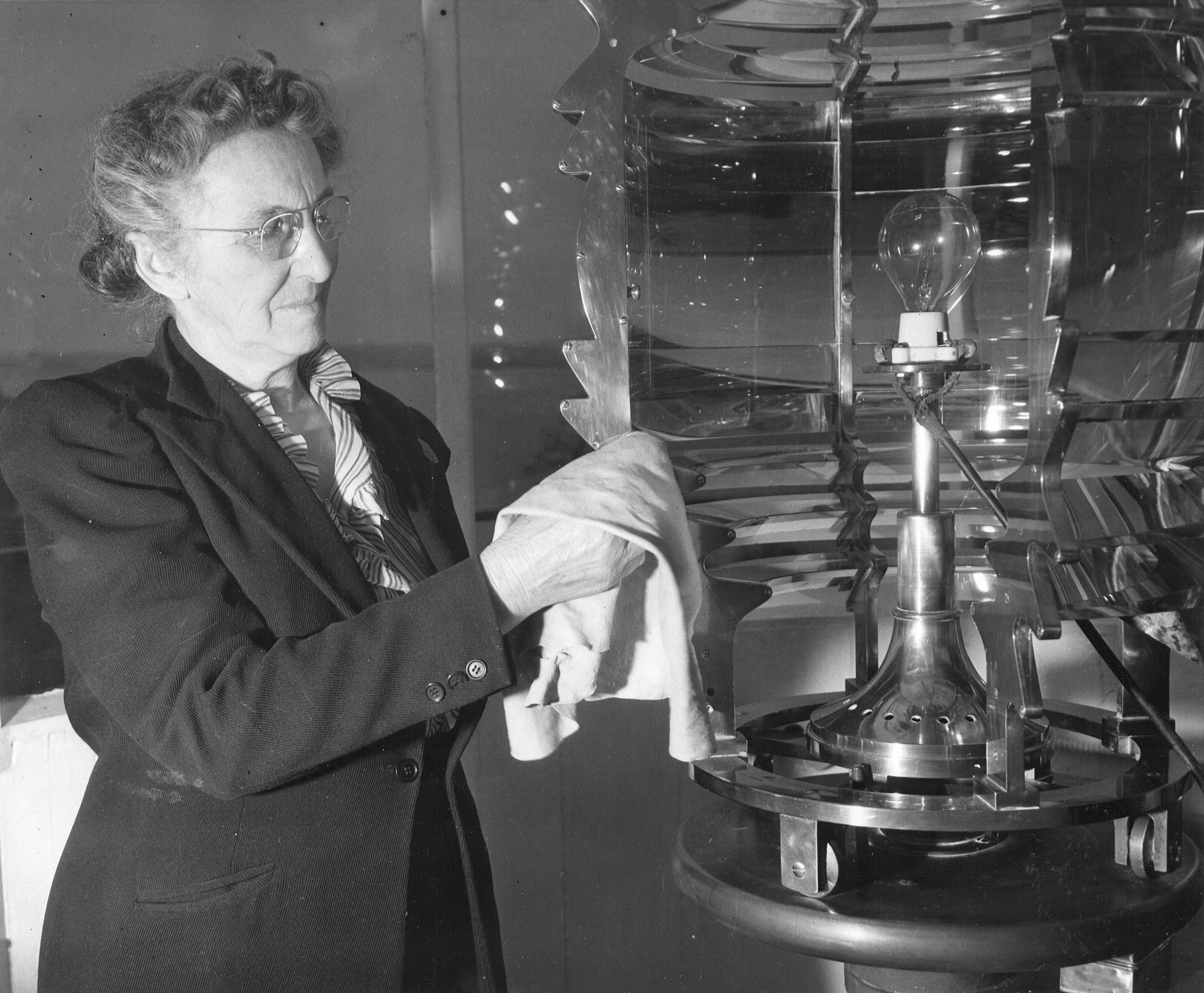
A lighthouse keeper, historically known as a 'wickie,' was the individual tasked with the crucial, often isolated, duty of maintaining a lighthouse. This role involved the meticulous care of the light source, whether oil lamps or later, electric bulbs, ensuring the Fresnel lens was clean and operational, and the foghorn sounded when necessary. These keepers were vital for maritime safety, guiding ships through treacherous waters and preventing countless wrecks. The profession, deeply intertwined with maritime history and coastal communities, saw its zenith in the 19th and early 20th centuries before automation rendered most human keepers obsolete. While the romanticized image persists, the reality was one of demanding, round-the-clock vigilance, often in harsh weather and profound isolation, a stark contrast to the automated systems that now perform their former duties.
🎵 Origins & History
The role of the lighthouse keeper emerged with the very first lighthouses, ancient structures designed to guide mariners. Early beacons, like the Pharos of Alexandria, likely had attendants, though their duties were less formalized than later keepers. The modern concept solidified with the proliferation of coastal lighthouses in the Age of Sail, particularly from the 17th century onwards. In Britain, the Trinity House, gradually took on responsibility for maintaining lights, employing keepers for its stations. The profession reached its peak in the late 19th century, with thousands of keepers stationed worldwide, each a vital cog in the global maritime network. The advent of kerosene, then electricity, and finally automated systems marked the slow decline of this once-essential human role.
⚙️ How It Works
The core function of a lighthouse keeper was to ensure the light was always visible and correctly oriented. This involved daily, and often hourly, tasks: cleaning the lamp's glass and the intricate Fresnel lens, trimming wicks for oil lamps, winding clockwork mechanisms that rotated the lens, and refueling the light source. During foggy conditions, keepers manually operated foghorns or bells. They also maintained the lighthouse structure itself, from the tower to the keeper's dwelling, and often managed small gardens or livestock for sustenance. Communication with the mainland was infrequent, relying on supply ships or, later, rudimentary telegraphs, meaning keepers were largely self-sufficient and responsible for their own safety and the beacon's continuous operation. The job demanded vigilance, mechanical aptitude, and resilience against the elements and isolation.
📊 Key Facts & Numbers
Some stations required supply ships only once every six months. The average tenure for a keeper could span decades; some served for over 40 years, dedicating their lives to the solitary vigil. The automation of U.S. lighthouses began in earnest after World War II, with the last manned light decommissioned in 1977.
👥 Key People & Organizations
While many keepers were unsung heroes, some individuals gained recognition for their dedication or extraordinary acts. Ida Williams took over her husband's duties at the Cape Lookout Lighthouse in North Carolina after his death in 1884, becoming one of the few female keepers. Abbie Burr served at the Penfield Reef Lighthouse in Connecticut for 20 years, enduring harsh conditions. Organizations like Trinity House in the UK and the United States Lighthouse Board were the primary employers, establishing standards and providing training. The U.S. Coast Guard eventually absorbed lighthouse responsibilities in 1939, marking a significant shift in the management of these aids to navigation.
🌍 Cultural Impact & Influence
The image of the lighthouse keeper has become deeply embedded in popular culture, symbolizing steadfastness, isolation, and a romantic connection to the sea. They feature prominently in literature, film, and art, often portrayed as stoic figures battling storms and loneliness. Novels like Virginia Woolf's "To the Lighthouse" explore the domestic lives and internal worlds of lighthouse-dwelling families. The iconic photograph "The Lighthouse Keeper" by Henri Cartier-Bresson captures the solitary essence of the role. This romanticized perception, however, often overshadows the practical challenges and the sheer dedication required, contributing to a nostalgic fascination with a bygone era of maritime technology and human endeavor.
⚡ Current State & Latest Developments
Today, the vast majority of lighthouses are automated, operated remotely by organizations like the U.S. Coast Guard or national maritime authorities. The last manned lighthouse in the United States was Boston Light on Little Brewster Island, Massachusetts, which was automated in 1998. While the traditional role is largely defunct, a small number of 'heritage' lighthouses are maintained by volunteer groups or historical societies, sometimes employing 'honorary keepers' for public engagement and preservation. These modern custodians focus on historical interpretation and tourism rather than the operational maintenance of the light itself. The technology of automated LED lights and GPS navigation systems has rendered the manual tending of lights obsolete for practical maritime safety.
🤔 Controversies & Debates
The primary controversy surrounding lighthouse keepers historically revolved around the conditions of their service and the transition to automation. Critics argued that keepers were often underpaid and overworked, facing dangerous environments with inadequate support. Conversely, some argued that the isolation and perceived romanticism of the job were exaggerated. The automation process itself was debated, with concerns raised about the loss of jobs and the potential for technological failure without human oversight. The debate continues today in discussions about preserving historical lighthouses: should they be maintained as functional relics, or purely as historical monuments? The economic viability of maintaining these structures for tourism versus their historical significance is a constant tension.
🔮 Future Outlook & Predictions
The future for the concept of the lighthouse keeper lies almost entirely in heritage and tourism. Organizations dedicated to preserving these iconic structures, such as the National Trust and local historical societies, will continue to seek funding and volunteers to maintain them. There's a growing interest in 'living history' experiences, where individuals might temporarily reside in a lighthouse to understand the keeper's life, though this is purely for educational and experiential purposes. The romantic ideal of the lighthouse keeper will likely endure in art and literature, serving as a potent symbol of human perseverance and connection to the natural world. However, any practical role in maritime navigation is permanently relegated to the past, superseded by advanced electronic systems like GPS and AIS.
💡 Practical Applications
The most significant practical application of the lighthouse keeper's role was the provision of a reliable, visible aid to maritime navigation. Lighthouses served as critical landmarks for coastal navigation, marking dangerous shorelines, reefs, and entrances to harbors. They were indispensable for safe passage, especially during nighttime or inclement weather, preventing shipwrecks and saving lives. Beyond navigation, lighthouse stations often served as vital communication points, weather observation posts, and even rescue coordination centers in remote areas. The keeper's vigilance directly contributed to the economic prosperity of port cities and maritime trade routes by ensuring safer passage for vessels. Today, the 'application' is primarily historical and educational, with preserved lighthouses serving as tourist attractions and museums.
Key Facts
- Category
- history
- Type
- topic