
Contents
Overview
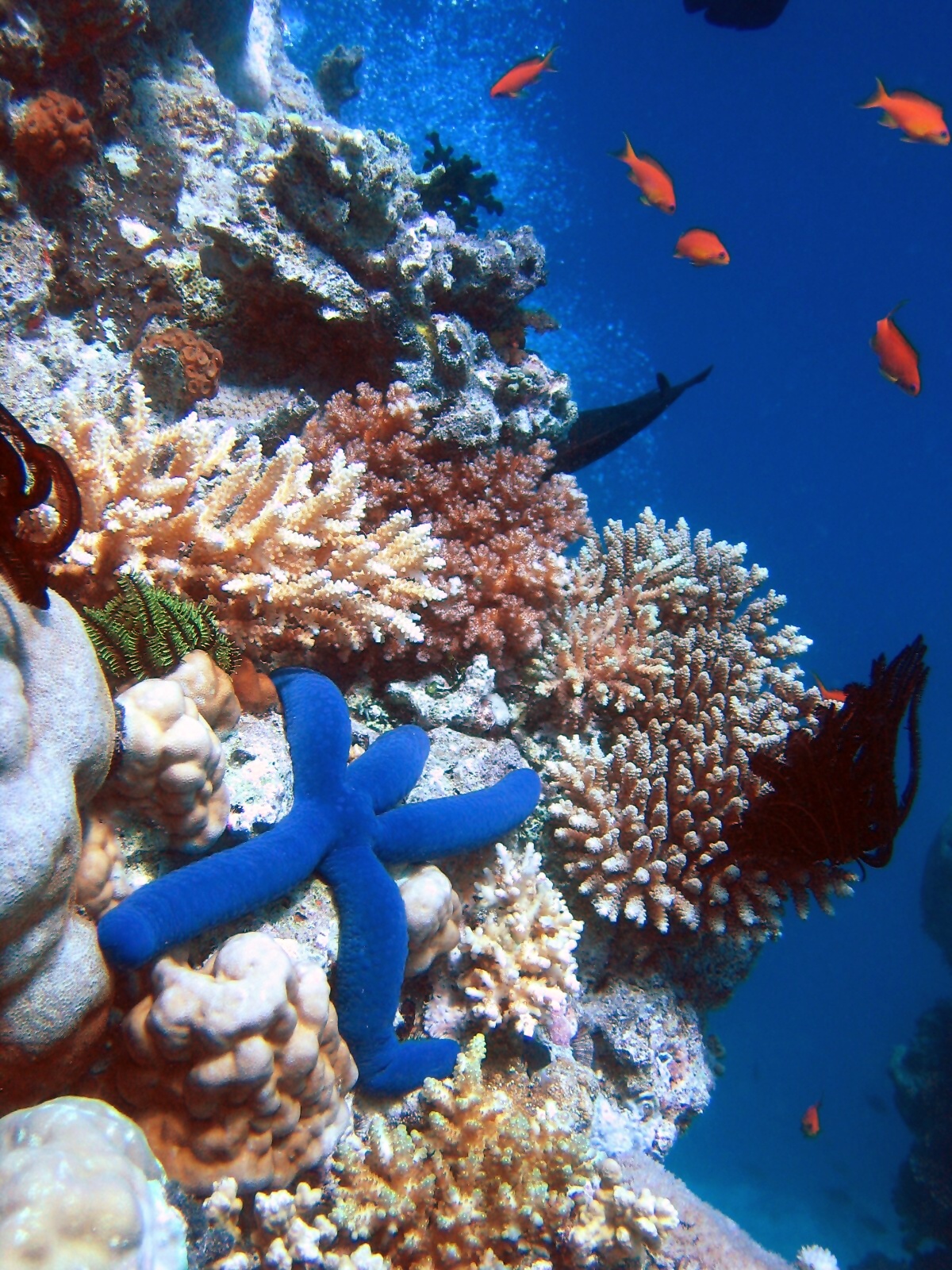
Marine conservation, also known as ocean conservation, is the protection and preservation of ecosystems in oceans and seas through planned management in order to prevent the over-exploitation of these marine resources. This discipline has developed as a response to biological issues such as extinction and marine habitats change, and relies on a combination of scientific principles derived from marine biology, ecology, oceanography, and fisheries science. With the help of organizations like the World Wildlife Fund and Ocean Conservancy, marine conservationists work to limit human-caused damage to marine ecosystems, restore damaged marine ecosystems, and preserve vulnerable species and ecosystems of the marine life. The importance of marine conservation cannot be overstated, as it affects not only the health of our oceans but also the livelihoods of people who depend on them. For example, the National Oceanic and Atmospheric Administration has found that marine conservation efforts can help to increase fish populations and improve the overall health of marine ecosystems.
🌊 Origins & History
Marine conservation has its roots in the early 20th century, when scientists began to sound the alarm about the dangers of pollution and overfishing in our oceans. Since then, the field has grown to include a wide range of disciplines, from marine biology to ecology to fisheries science. Today, organizations like the Marine Conservancy and the Ocean Conservancy work to protect marine ecosystems and promote sustainable fishing practices. For example, the Marine Stewardship Council has developed a certification program for sustainable seafood, which has helped to promote more responsible fishing practices.
🐠 How It Works
Marine conservation works by combining scientific research with community engagement and policy advocacy. For example, the National Marine Sanctuaries program in the United States works to protect marine ecosystems and promote sustainable fishing practices through a combination of research, education, and community outreach. Similarly, the United Nations has established a number of programs and initiatives aimed at promoting marine conservation and sustainable development, including the UN Environment Programme and the UN Development Programme.
📊 Key Facts & Numbers
Some key facts about marine conservation include: oceans are home to over 200,000 identified species. However, many of these species are threatened by human activities such as overfishing, pollution, and climate change. The World Wildlife Fund has worked with local communities to establish marine protected areas and promote sustainable fishing practices.
👥 Key People & Organizations
Some key people and organizations involved in marine conservation include the World Wildlife Fund, the Ocean Conservancy, and the Marine Conservancy. These organizations work to promote marine conservation and sustainable development through a combination of research, education, and community outreach.
🌍 Cultural Impact & Influence
Marine conservation has had a significant cultural impact and influence, with many people around the world recognizing the importance of protecting our oceans and seas. For example, the Ocean Conservancy has partnered with artists and musicians to create a series of public service announcements about the importance of marine conservation.
⚡ Current State & Latest Developments
The current state of marine conservation is complex and multifaceted, with many challenges and opportunities. For example, the growth of the sustainable seafood industry is an opportunity for marine conservation.
🤔 Controversies & Debates
There are many controversies and debates surrounding marine conservation, including the use of marine protected areas, the impact of fishing gear on marine ecosystems, and the role of climate change in marine conservation.
🔮 Future Outlook & Predictions
The future outlook for marine conservation is uncertain, but there are many opportunities for progress and innovation. For example, the growth of the sustainable seafood industry and the establishment of marine protected areas are likely to continue, and there may be new technologies and strategies developed to help promote marine conservation and sustainable development. Additionally, there is a growing recognition of the importance of marine conservation and sustainable development, with many people around the world recognizing the need to protect our oceans and seas.
💡 Practical Applications
Marine conservation has many practical applications, including the promotion of sustainable fishing practices, the establishment of marine protected areas, and the development of new technologies and strategies for marine conservation. For example, the Marine Conservancy has worked with local communities to establish a number of marine protected areas, which have helped to promote biodiversity and sustainable fishing practices.
Key Facts
- Category
- nature
- Type
- concept