
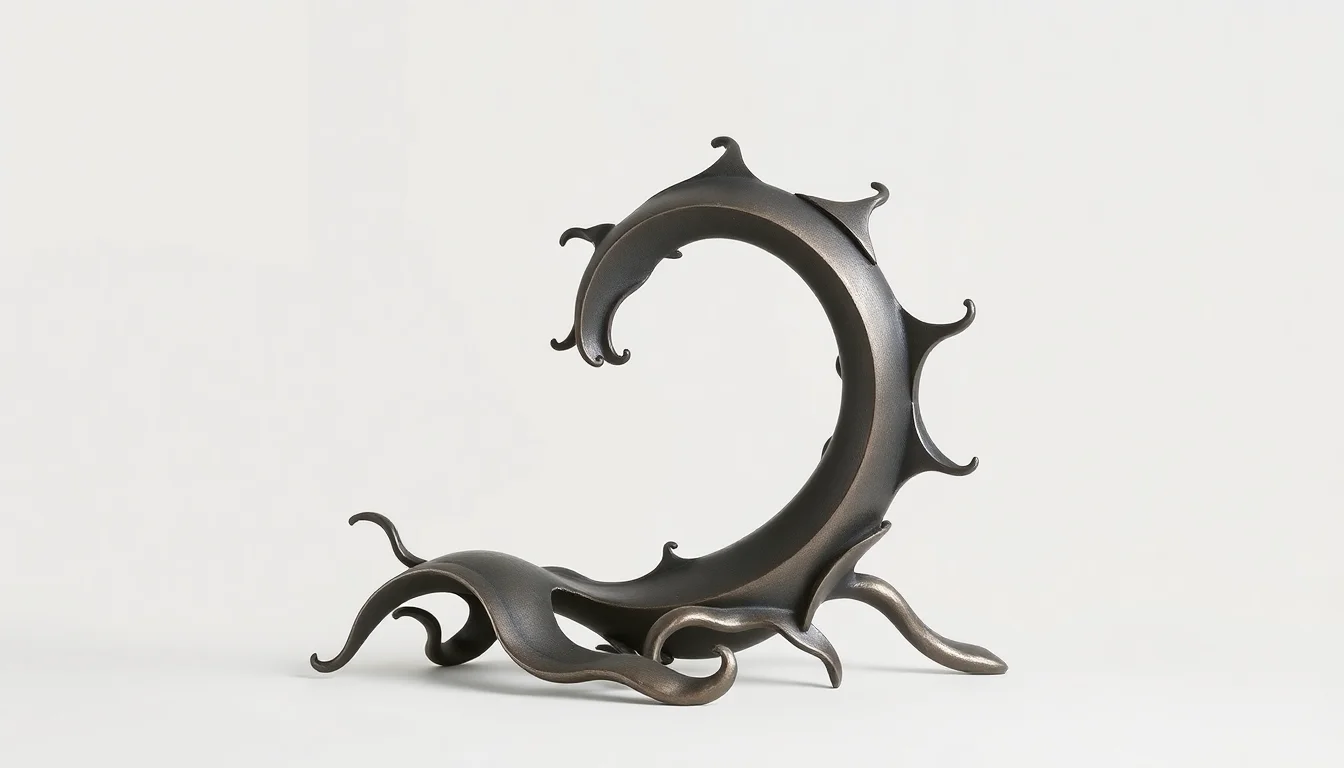
Contents
Overview
Early civilizations across Mesopotamia, Egypt, and the Indus Valley utilized metals like copper, bronze, and gold not only for tools and adornments but also for votive figures and ceremonial objects. The ancient Greeks and Romans elevated bronze casting to an unparalleled art form, producing life-sized sculptures. Medieval Europe saw metalwork flourish in ecclesiastical art, particularly in intricate reliquaries, liturgical vessels, and monumental bronze doors. The Renaissance witnessed a resurgence of classical ideals, with artists like Donatello and Giovanni da Bologna pushing the boundaries of bronze sculpture, influencing generations of artists.
⚙️ How It Works
The creation of metal art involves a diverse array of techniques, each imparting unique characteristics to the final piece. Welding is a cornerstone of modern metal sculpture, allowing artists to join disparate metal pieces with precision, enabling complex constructions and abstract forms. Casting involves pouring molten metal into a mold, a process perfected over millennia. Forging uses heat and hammering to shape metal, a traditional blacksmithing technique. Fabrication encompasses cutting, bending, and assembling sheet metal, often seen in large-scale public installations. Patination, the chemical treatment of metal surfaces, is crucial for achieving a wide range of colors and finishes, from the verdigris green of aged bronze to the deep blues and blacks of treated steel.
📊 Key Facts & Numbers
Major international art fairs like Art Basel and Frieze consistently feature metal sculptures, with sales often exceeding six figures for established artists.
👥 Key People & Organizations
Numerous artists and organizations have shaped the landscape of metal art. Pioneers like Auguste Rodin redefined sculptural expression in bronze at the turn of the 20th century. Mid-century, artists such as David Smith and Alexander Calder revolutionized abstract sculpture with welded steel and kinetic mobiles, respectively. Contemporary luminaries include Anselm Kiefer, known for his monumental, often iron-laden works, and Richard Serra, whose massive steel installations challenge perceptions of space and gravity. Organizations like the International Sculpture Center promote the creation and appreciation of sculpture, while numerous foundries and fabrication studios, such as Modern Art Foundry in New York, provide essential technical support to artists.
🌍 Cultural Impact & Influence
Metal art has profoundly influenced urban aesthetics and public consciousness. Monumental sculptures in city centers, like Henry Moore's 'Reclining Figure' series or Claude Lalanne's whimsical botanical forms, transform public spaces into engaging environments. The enduring nature of metal makes these works lasting landmarks, often becoming symbols of civic pride or historical commemoration. Beyond public art, metal sculptures are central to museum collections and private galleries, driving trends in contemporary art and influencing design in architecture and interior decoration. The tactile and visual qualities of metal—its sheen, texture, and weight—offer a unique sensory experience that resonates deeply with viewers, fostering a connection to both the material and the artist's vision.
⚡ Current State & Latest Developments
The contemporary metal art scene is dynamic, marked by increasing experimentation with new materials and digital fabrication technologies. The rise of augmented reality is also beginning to intersect with metal art, allowing for digital overlays and interactive experiences with physical sculptures. Furthermore, there's a growing emphasis on sustainability, with many artists actively seeking out reclaimed and recycled metals, aligning their practice with environmental concerns. Galleries and art fairs are increasingly showcasing artists who push the boundaries of scale and material, from intricate filigree work to colossal industrial assemblages.
🤔 Controversies & Debates
Debates surrounding metal art often center on issues of scale, accessibility, and environmental impact. The immense cost and logistical challenges of creating and installing large-scale metal sculptures raise questions about public funding and the prioritization of artistic endeavors versus other civic needs. Critics sometimes argue that certain abstract metal works lack immediate legibility or emotional resonance for the general public, leading to discussions about the role of art in public spaces. Furthermore, the environmental footprint of metal production and processing, particularly for materials like steel and bronze, is a significant concern, prompting ongoing dialogue about sustainable practices and the use of recycled materials within the art world.
🔮 Future Outlook & Predictions
The future of metal art appears poised for continued innovation, driven by technological advancements and evolving artistic sensibilities. We can anticipate more artists integrating robotics and AI into their fabrication processes, enabling intricate designs previously impossible to achieve. The exploration of novel metal alloys with unique properties—such as self-healing or color-changing capabilities—will likely expand the material palette. Expect a greater emphasis on interactive and responsive metal sculptures that engage viewers through light, sound, or movement. The trend towards sustainability will undoubtedly intensify, with artists championing the use of salvaged materials and developing more eco-conscious production methods, potentially leading to a new wave of 'recycled metal art' that is both aesthetically compelling and environmentally responsible.
💡 Practical Applications
Metal art finds application across numerous sectors, extending far beyond traditional gallery spaces. Its most visible application is in public art, where sculptures adorn parks, plazas, and building facades, enhancing urban environments and serving as cultural landmarks. In architecture, metal elements are integral to structural components, decorative cladding, and bespoke artistic features, blurring the lines between art and building design. The automotive industry, while primarily functional, often incorporates artistic metalwork in concept cars and bespoke luxury vehicles. Furthermore, metal art is employed in interior design for decorative screens, furniture, and lighting fixtures, adding a unique aesthetic and tactile dimension to living and working spaces. Even in jewelry design, the principles of metal sculpting are applied to create wearable art.
Key Facts
- Category
- aesthetics
- Type
- topic