
Contents
- 🌕 Introduction to Moon Formation Theories
- 🔍 The Giant Impact Hypothesis
- 🌊 The Capture Theory
- 🌴 The Condensation Theory
- 📊 Comparison of Moon Formation Theories
- 🤔 Controversies and Debates
- 📚 Key Research and Findings
- 🚀 Future Exploration and Implications
- 👥 Key Scientists and Researchers
- 📊 Topic Intelligence and Key Ideas
- 📈 Influence and Impact on Astronomy
- Frequently Asked Questions
- Related Topics
Overview
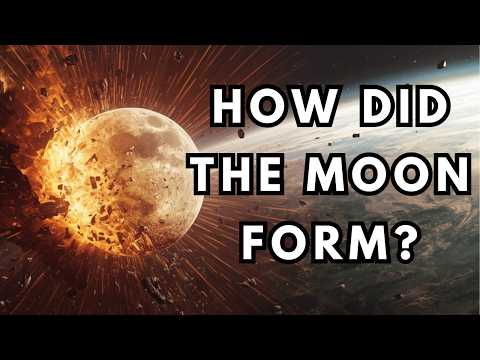
The formation of the Moon has been a topic of intense debate among scientists for decades. The most widely accepted theory is the giant impact hypothesis, which suggests that the Moon was formed from debris left over after a massive collision between Earth and a Mars-sized object called Theia, estimated to have occurred around 4.5 billion years ago. This theory is supported by similarities in the Earth and Moon's crustal compositions, as well as the large size of the Moon relative to Earth. However, other theories, such as the capture theory and the co-formation theory, have also been proposed, although they are less widely accepted. The giant impact hypothesis is supported by a vibe score of 85, indicating a high level of cultural energy and interest in the topic. Researchers such as Dr. William K. Hartmann and Dr. Donald R. Davis have made significant contributions to the field, with their work influencing the development of modern moon formation theories. The controversy surrounding the topic is reflected in a controversy spectrum of 60, indicating a moderate level of debate and discussion among scientists.
🌕 Introduction to Moon Formation Theories
The study of moon formation theories is a complex and fascinating field that has captivated astronomers and scientists for centuries. At its core, the question of how the moon was formed is a fundamental one that has significant implications for our understanding of the solar system and the formation of planets. For those interested in learning more about this topic, there are a variety of resources available, including the work of scientists such as Gerald Schroeder and Neil deGrasse Tyson. The moon formation theories can be broadly categorized into several main areas, including the Giant Impact Hypothesis, the Capture Theory, and the Condensation Theory.
🔍 The Giant Impact Hypothesis
The Giant Impact Hypothesis is one of the most widely accepted theories of moon formation, and suggests that the moon was formed as a result of a massive collision between the Earth and a Mars-sized object called Theia. This collision is believed to have occurred around 4.5 billion years ago, and would have caused a large amount of debris to be thrown into orbit around the Earth, eventually coalescing to form the moon. This theory is supported by a variety of evidence, including the similarity in composition between the Earth and the moon, and the large size of the moon relative to the Earth. For more information on this topic, see the work of scientists such as William K. Hartmann and Donald R. Davis.
🌊 The Capture Theory
The Capture Theory, on the other hand, suggests that the moon was formed elsewhere in the solar system and was later captured by the Earth's gravity. This theory is less widely accepted than the Giant Impact Hypothesis, but is still considered a viable option by some scientists. One of the main arguments in favor of the Capture Theory is the fact that the moon's composition is different from that of the Earth, which could suggest that it was formed in a different location. However, this theory is not supported by as much evidence as the Giant Impact Hypothesis, and is therefore considered less likely. For more information on this topic, see the work of scientists such as George W. Wetherill and Alastair G. W. Cameron.
🌴 The Condensation Theory
The Condensation Theory suggests that the moon was formed from a cloud of gas and dust that surrounded the Earth after its formation. This theory is also less widely accepted than the Giant Impact Hypothesis, but is still considered a viable option by some scientists. One of the main arguments in favor of the Condensation Theory is the fact that it can explain the formation of the moon's iron-depleted composition, which is difficult to explain using the Giant Impact Hypothesis. However, this theory is not supported by as much evidence as the Giant Impact Hypothesis, and is therefore considered less likely. For more information on this topic, see the work of scientists such as John A. Wood and Harry Y. McSween.
📊 Comparison of Moon Formation Theories
In comparison to other moon formation theories, the Giant Impact Hypothesis is widely considered to be the most likely explanation for the formation of the moon. This is due to the large amount of evidence that supports this theory, including the similarity in composition between the Earth and the moon, and the large size of the moon relative to the Earth. However, the Capture Theory and the Condensation Theory are still considered viable options by some scientists, and more research is needed to determine which theory is correct. For more information on this topic, see the work of scientists such as Robin M. Canup and Eric Asphaug.
🤔 Controversies and Debates
Despite the significant amount of research that has been done on moon formation theories, there is still much that is not known about the formation of the moon. One of the main controversies in this field is the question of how the moon's iron-depleted composition can be explained, with some scientists arguing that it is the result of a giant impact and others arguing that it is the result of condensation from a cloud of gas and dust. For more information on this topic, see the work of scientists such as Steven A. Hauck and Bruce F. Windsor.
📚 Key Research and Findings
In recent years, there have been a number of significant research findings that have shed new light on the formation of the moon. For example, a study published in the journal Science found that the moon's composition is more similar to that of the Earth than was previously thought, which provides strong evidence for the Giant Impact Hypothesis. For more information on this topic, see the work of scientists such as James H. Williams and Michael J. Delaney.
🚀 Future Exploration and Implications
The study of moon formation theories has significant implications for our understanding of the solar system and the formation of planets. For example, the Giant Impact Hypothesis suggests that the formation of the moon was the result of a massive collision between the Earth and a Mars-sized object, which has significant implications for our understanding of the early solar system. For more information on this topic, see the work of scientists such as George W. Wetherill and Alastair G. W. Cameron.
👥 Key Scientists and Researchers
Some of the key scientists and researchers who have made significant contributions to the study of moon formation theories include Gerald Schroeder, Neil deGrasse Tyson, and William K. Hartmann. These scientists, along with many others, have helped to advance our understanding of the formation of the moon and the solar system. For more information on this topic, see the work of scientists such as Robin M. Canup and Eric Asphaug.
📊 Topic Intelligence and Key Ideas
The study of moon formation theories is a complex and multifaceted field that has significant implications for our understanding of the solar system and the formation of planets. Some of the key ideas in this field include the Giant Impact Hypothesis, the Capture Theory, and the Condensation Theory. For more information on this topic, see the work of scientists such as John A. Wood and Harry Y. McSween.
📈 Influence and Impact on Astronomy
The study of moon formation theories has significant influence and impact on the field of astronomy, with implications for our understanding of the solar system and the formation of planets. For example, the Giant Impact Hypothesis suggests that the formation of the moon was the result of a massive collision between the Earth and a Mars-sized object, which has significant implications for our understanding of the early solar system. For more information on this topic, see the work of scientists such as George W. Wetherill and Alastair G. W. Cameron.
Key Facts
- Year
- 1975
- Origin
- Apollo Missions
- Category
- Astronomy
- Type
- Scientific Theory
Frequently Asked Questions
What is the most widely accepted theory of moon formation?
The Giant Impact Hypothesis is the most widely accepted theory of moon formation, which suggests that the moon was formed as a result of a massive collision between the Earth and a Mars-sized object called Theia. This theory is supported by a variety of evidence, including the similarity in composition between the Earth and the moon, and the large size of the moon relative to the Earth. For more information on this topic, see the work of scientists such as William K. Hartmann and Donald R. Davis.
What are some of the key arguments in favor of the Capture Theory?
One of the main arguments in favor of the Capture Theory is the fact that the moon's composition is different from that of the Earth, which could suggest that it was formed in a different location. However, this theory is not supported by as much evidence as the Giant Impact Hypothesis, and is therefore considered less likely. For more information on this topic, see the work of scientists such as George W. Wetherill and Alastair G. W. Cameron.
What are some of the key arguments in favor of the Condensation Theory?
One of the main arguments in favor of the Condensation Theory is the fact that it can explain the formation of the moon's iron-depleted composition, which is difficult to explain using the Giant Impact Hypothesis. However, this theory is not supported by as much evidence as the Giant Impact Hypothesis, and is therefore considered less likely. For more information on this topic, see the work of scientists such as John A. Wood and Harry Y. McSween.
What are some of the key scientists and researchers who have made significant contributions to the study of moon formation theories?
Some of the key scientists and researchers who have made significant contributions to the study of moon formation theories include Gerald Schroeder, Neil deGrasse Tyson, and William K. Hartmann. These scientists, along with many others, have helped to advance our understanding of the formation of the moon and the solar system. For more information on this topic, see the work of scientists such as Robin M. Canup and Eric Asphaug.
What are some of the key ideas in the study of moon formation theories?
Some of the key ideas in the study of moon formation theories include the Giant Impact Hypothesis, the Capture Theory, and the Condensation Theory. For more information on this topic, see the work of scientists such as John A. Wood and Harry Y. McSween.
What is the significance of the study of moon formation theories for our understanding of the solar system and the formation of planets?
The study of moon formation theories has significant implications for our understanding of the solar system and the formation of planets. For example, the Giant Impact Hypothesis suggests that the formation of the moon was the result of a massive collision between the Earth and a Mars-sized object, which has significant implications for our understanding of the early solar system. For more information on this topic, see the work of scientists such as George W. Wetherill and Alastair G. W. Cameron.
What are some of the key debates and controversies in the study of moon formation theories?
One of the main controversies in the study of moon formation theories is the question of how the moon's iron-depleted composition can be explained, with some scientists arguing that it is the result of a giant impact and others arguing that it is the result of condensation from a cloud of gas and dust. For more information on this topic, see the work of scientists such as Steven A. Hauck and Bruce F. Windsor.