
Contents
- 🎵 Origins & History
- ⚙️ How It Works
- 📊 Key Facts & Numbers
- 👥 Key People & Organizations
- 🌍 Cultural Impact & Influence
- ⚡ Current State & Latest Developments
- 🤔 Controversies & Debates
- 🔮 Future Outlook & Predictions
- 💡 Practical Applications
- 📚 Related Topics & Deeper Reading
- Frequently Asked Questions
- References
- Related Topics
Overview
Mountain running, a demanding athletic discipline, involves racing primarily on off-road, mountainous terrain, though paved sections with significant elevation gain are permissible. It distinguishes itself from fell running through more clearly marked courses and avoidance of overtly dangerous sections, aligning it closely with trail running when unpaved surfaces dominate. The sport is a blend of running, jogging, and strategic walking, dictated by the steepness of the ascents. Recognized by World Athletics and governed by the World Mountain Running Association (WMRA), which has organized world championships since 1985, mountain running tests athletes' endurance, strength, and technical skill on challenging natural landscapes. Its global reach is evidenced by consistent reporting from countries like the United States, United Kingdom, Austria, and China.
🎵 Origins & History
The roots of mountain running are as old as human movement in high altitudes, evolving from necessity to sport. While informal races in mountainous regions likely occurred for centuries, the formalization of the sport began in the mid-20th century. Early precursors can be traced to traditional highland games and the rugged races in the European Alps, particularly in countries like Italy and Switzerland. The establishment of the World Mountain Running Association (WMRA) in 1984 and the first official World Mountain Running Trophy (now Championships) in 1985 in San Martino di Castrozza, Italy, marked a pivotal moment, codifying rules and fostering international competition. This era saw pioneers like Enrico Paganella championing the sport's growth, laying the groundwork for its modern structure and global recognition by World Athletics.
⚙️ How It Works
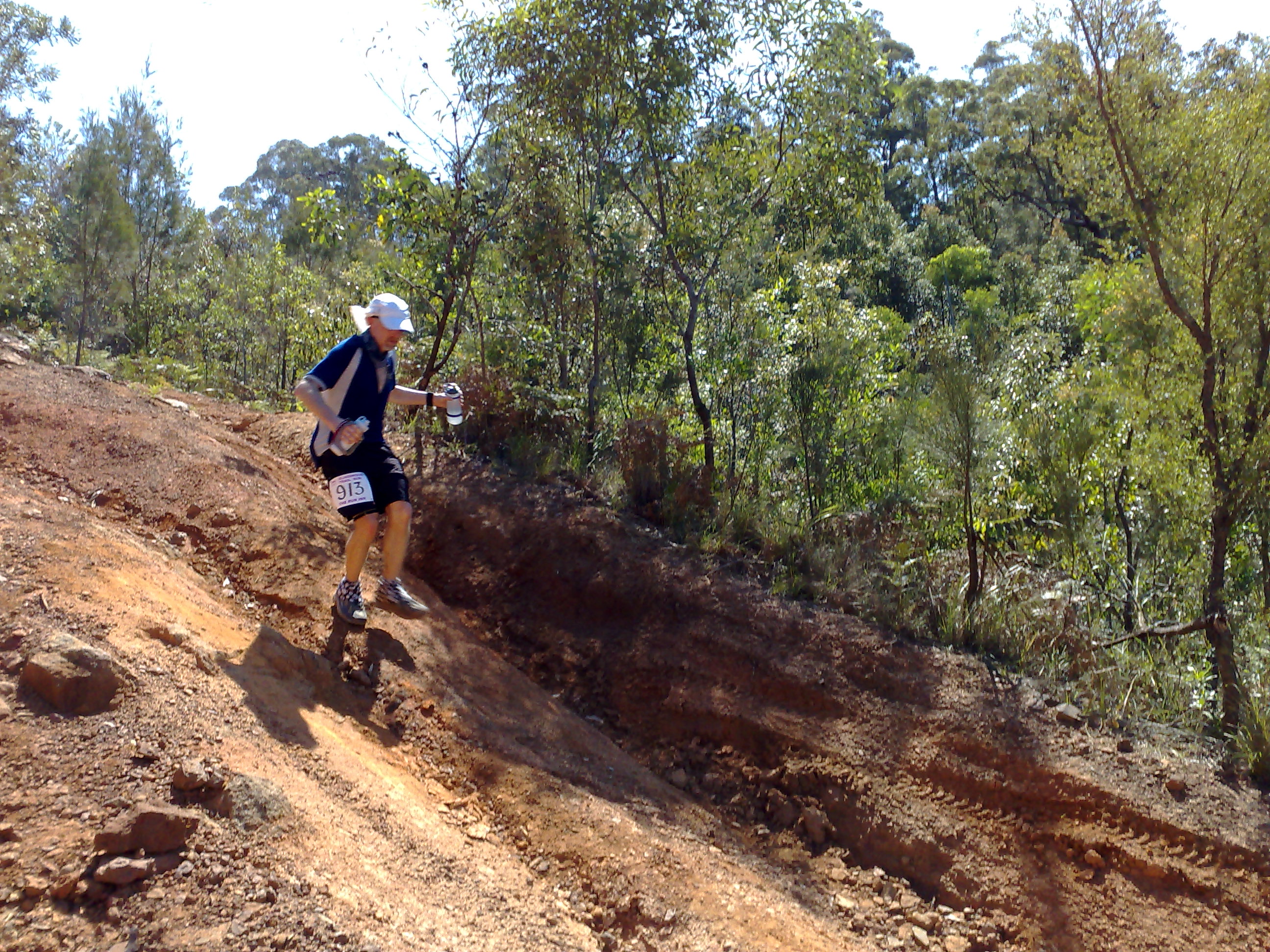
Mountain running courses are meticulously designed to challenge athletes' physical and mental fortitude, typically featuring a significant elevation gain within a defined distance, often ranging from 5 to 20 kilometers. The terrain is predominantly natural, encompassing trails, scree, grass, and sometimes snow, demanding a specific skillset that blends efficient running technique with controlled hiking on steeper sections. Unlike the more open and potentially hazardous nature of fell running, mountain races adhere to stricter course marking protocols, often utilizing flags, tape, or natural landmarks to guide participants and mitigate risks. Athletes must manage their energy expenditure, pacing themselves across varied gradients and technical sections, often employing specialized footwear with aggressive tread for grip on loose or wet surfaces. The race can be uphill only, downhill only, or a combination of both, testing different facets of an athlete's aerobic capacity and muscular endurance.
📊 Key Facts & Numbers
The global mountain running scene is vibrant, with an estimated 500,000 active participants worldwide. The WMRA Mountain Running World Championships, held annually, attract over 200 elite athletes from more than 40 nations. Major events like the Sierre-Zinal race in Switzerland have seen participation numbers exceeding 6,000 runners, showcasing the sport's broad appeal. Prize money for top-tier events can range from $5,000 to $20,000 USD, with elite athletes often securing sponsorships from apparel and equipment brands totaling six figures annually. The market for specialized mountain running gear, including shoes and apparel, is estimated to be worth over $500 million globally, demonstrating significant economic activity.
👥 Key People & Organizations
Key figures and organizations are instrumental in shaping mountain running. The World Mountain Running Association (WMRA), founded by Enrico Paganella and Daniel Freschi, serves as the sport's primary governing body, setting international standards and organizing the annual World Championships. World Athletics provides overarching recognition and integration into the global athletics framework. Elite athletes like Kilian Jornet, though more broadly known for skyrunning and ultramarathons, have significantly influenced the perception and performance standards in mountain running. Prominent race directors, such as those behind the historic Sierre-Zinal race, and national federations like the Italian Athletics Federation play crucial roles in event organization and athlete development.
🌍 Cultural Impact & Influence
Mountain running has carved a significant niche within the broader trail running and outdoor recreation culture, inspiring a lifestyle centered on challenging natural environments. Its aesthetic—runners silhouetted against dramatic mountain vistas—is frequently captured and shared across social media platforms like Instagram, fostering a sense of aspirational adventure. The sport's emphasis on self-reliance and connection with nature resonates deeply, influencing fashion trends in athletic wear towards durable, performance-oriented gear. Furthermore, the discipline has inspired a subgenre of adventure filmmaking and literature, celebrating the grit and beauty of high-altitude racing. The success of athletes like Emelie Forsberg has also broadened its appeal, particularly among women seeking challenging and empowering athletic pursuits.
⚡ Current State & Latest Developments
The sport is experiencing a period of sustained growth, with increasing participation numbers at both elite and amateur levels. The WMRA continues to expand its calendar, incorporating more events globally and fostering regional championships. A significant development is the ongoing dialogue and efforts towards greater integration with World Athletics, aiming for broader inclusion in major multi-sport events. The 2023 World Mountain Running Championships in Austria saw record participation, highlighting this upward trend. Innovations in gear, particularly lighter and more responsive footwear, are continuously pushing performance boundaries. The emergence of streaming platforms covering major events, such as the Golden Trail Series, further amplifies its visibility.
🤔 Controversies & Debates
One persistent debate revolves around the precise definition and boundaries between mountain running, fell running, and skyrunning. Critics argue that the WMRA's definition, allowing paved sections, dilutes the 'mountain' aspect for purists. Another point of contention is the increasing commercialization, with some lamenting the shift from grassroots community events to highly sponsored, professionalized races. Safety protocols also remain a subject of discussion, particularly concerning course marking and emergency response in remote, high-altitude environments, especially during adverse weather conditions. The inclusion of mountain running in major multi-sport games like the Olympic Games is a long-standing aspiration, but its unique demands and varied course formats present significant challenges for standardization.
🔮 Future Outlook & Predictions
The future of mountain running appears robust, with continued expansion anticipated in emerging markets across Asia and South America. Experts predict a greater emphasis on sustainability in race organization, with organizers increasingly adopting eco-friendly practices to minimize environmental impact. The potential inclusion in major international sporting events, such as the World Games or even the Olympic Games, remains a significant long-term goal, which could dramatically increase its global profile and funding. Technological advancements in athlete tracking and real-time data analysis will likely enhance spectator engagement. Furthermore, the sport's inherent connection to natural landscapes positions it favorably in an era increasingly focused on environmental consciousness and outdoor wellness.
💡 Practical Applications
Mountain running's principles translate into practical applications beyond competitive racing. The training methodologies—focused on cardiovascular fitness, leg strength, and agility—are highly beneficial for general fitness and preparing for any activity involving uneven terrain, such as hiking, ski touring, or obstacle course racing. The gear developed for mountain running, particularly footwear, often finds its way into broader outdoor markets, offering enhanced grip and durability. Event management skills honed in organizing mountain races, including logistics, safety planning, and environmental stewardship, are transferable to other large-scale outdoor events. Furthermore, the sport's appeal to adventure tourism can drive economic activity in mountainous regions, supporting local economies through accommodation, guiding services, and equipment rentals.
Key Facts
- Year
- mid-20th century (formalization)
- Origin
- Global (formalized in Europe)
- Category
- culture
- Type
- concept
Frequently Asked Questions
What is the main difference between mountain running and fell running?
Mountain running, as governed by the WMRA, typically features more clearly marked courses and aims to avoid the most dangerous sections, distinguishing it from fell running, which often takes place on open, unmarked moorland and can involve more technical and exposed terrain. While both occur in hilly or mountainous areas, mountain running prioritizes a structured race format with defined routes, often incorporating some paved sections if elevation gain is significant, whereas fell running is more about navigating wild, natural landscapes.
How do athletes train for mountain running?
Training for mountain running involves a multifaceted approach focusing on cardiovascular endurance, muscular strength, and technical skill. Athletes engage in high-intensity interval training, long runs on varied terrain, and specific strength work targeting legs and core. Crucially, they practice hiking steep ascents efficiently and running downhill with control, often incorporating plyometrics and balance exercises. Exposure to similar terrain, including steep climbs and descents, is vital for acclimatizing the body and developing the necessary proprioception and confidence, often mimicking race conditions with back-to-back long efforts.
What kind of gear is essential for mountain running?
Essential gear for mountain running includes specialized footwear with aggressive tread for superior grip on varied surfaces like mud, rock, and grass, often featuring enhanced cushioning and protection. Lightweight, breathable, and water-resistant apparel is crucial for adapting to changing mountain weather conditions. Many races require or recommend a hydration pack or vest to carry water and nutrition, along with a basic first-aid kit, a whistle for emergencies, and sometimes a lightweight waterproof jacket and hat. Poles are also increasingly used by some athletes for added propulsion on ascents and stability on descents.
What are the biggest challenges in mountain running?
The primary challenges in mountain running are the extreme physical demands imposed by significant elevation changes, requiring both explosive power for climbs and controlled endurance. Navigating unpredictable terrain, including loose scree, slippery rocks, and steep descents, tests an athlete's technical skill and agility. Athletes must also contend with rapidly changing weather conditions, which can include sudden drops in temperature, high winds, rain, or even snow at higher altitudes. Mental fortitude is paramount, as runners must push through fatigue and discomfort over extended periods in remote environments.
Is mountain running considered an Olympic sport?
Currently, mountain running is not an Olympic sport. While recognized by World Athletics, its varied course formats (uphill only, uphill/downhill, long distance) and the inherent difficulty in standardizing a 'mountain' course for a global audience present significant hurdles for Olympic inclusion. However, there are ongoing discussions and efforts by organizations like the WMRA to advocate for its inclusion in major multi-sport events, potentially paving the way for future Olympic consideration, perhaps through a standardized format.
How can I find local mountain running races?
To find local mountain running races, start by checking the official websites of governing bodies like the WMRA and national athletics federations, which often list sanctioned events. Explore specialized trail running websites and online communities that focus on mountain and trail races in your region. Many popular races are also listed on event registration platforms such as UltraSignup or RunSignup. Following prominent mountain running athletes and race organizers on social media can also provide leads on upcoming events and local clubs.
What is the future outlook for mountain running?
The future outlook for mountain running is highly positive, with continued growth expected in participation and event organization globally. There's a strong trend towards greater environmental sustainability in race management, emphasizing low-impact practices. Increased media coverage and potential inclusion in larger multi-sport events could elevate its profile significantly. Innovations in gear technology will likely continue to enhance performance and athlete comfort. Furthermore, the sport's appeal to adventure tourism is expected to drive economic benefits in mountainous regions, solidifying its place in the outdoor sports landscape.