
Contents
- 🎵 Origins & History
- ⚙️ How It Works
- 📊 Key Facts & Numbers
- 👥 Key People & Organizations
- 🌍 Cultural Impact & Influence
- ⚡ Current State & Latest Developments
- 🤔 Controversies & Debates
- 🔮 Future Outlook & Predictions
- 💡 Practical Applications
- 📚 Related Topics & Deeper Reading
- Frequently Asked Questions
- References
- Related Topics
Overview
The genesis of New York's musical dominance can be traced to the early 20th century with the rise of Tin Pan Alley and Broadway's burgeoning musical theater scene, establishing the city as a hub for popular songcraft and performance. By the 1940s, the smoky clubs of Manhattan's 52nd Street became the epicenter for the bebop revolution, a radical reimagining of jazz spearheaded by innovators like Charlie Parker and Dizzy Gillespie. The latter half of the century saw an explosion of genre births: The Velvet Underground and The Ramones ignited the punk rock movement in the gritty venues of the Lower East Side, while disco found its pulse in clubs like Studio 54 and Paradise Garage. Crucially, the Bronx became the cradle of hip-hop in the 1970s, with DJs like DJ Kool Herc pioneering breakbeat DJing at block parties, laying the groundwork for a global cultural phenomenon. The city's rich tapestry of immigrant communities also fostered distinct musical traditions, from the salsa explosion in El Barrio to the enduring presence of Irish-American folk and Jewish klezmer music.
⚙️ How It Works
The New York music scene functions as a complex, interconnected organism driven by a constant influx of talent, a dense network of venues, and a competitive industry infrastructure. Its 'engine' is the city's unparalleled diversity, which acts as a perpetual incubator for new sounds and fusions; genres rarely exist in isolation, instead bleeding into one another in unexpected ways. Major record labels, independent imprints, and a vast array of booking agents, promoters, and music journalists form the industry backbone, facilitating the discovery, promotion, and distribution of music. The sheer density of performance spaces, from legendary concert halls like Carnegie Hall to intimate dive bars and outdoor amphitheaters like Central Park SummerStage, ensures a constant outlet for artists at all stages of their careers. This ecosystem thrives on a culture of collaboration and competition, where artists push boundaries and industry professionals scout for the next big sound, often emerging from the city's numerous music schools and underground scenes.
📊 Key Facts & Numbers
New York City hosts an estimated 30,000 musicians, with over 10,000 actively performing in any given week, according to a 2022 industry report. The city boasts over 500 active music venues, ranging from small clubs with capacities under 100 to arenas holding over 20,000 spectators. In 2023, the live music industry in New York generated an estimated $3.5 billion in revenue, supporting over 50,000 jobs. The city is home to approximately 150 record labels, both major and independent, and over 200 music publishers. An estimated 40% of all US music industry jobs are concentrated within the greater New York metropolitan area. Furthermore, New York's music festivals, such as Governors Ball and Electric Zoo, attract over 200,000 attendees annually, contributing significantly to the local economy.
👥 Key People & Organizations
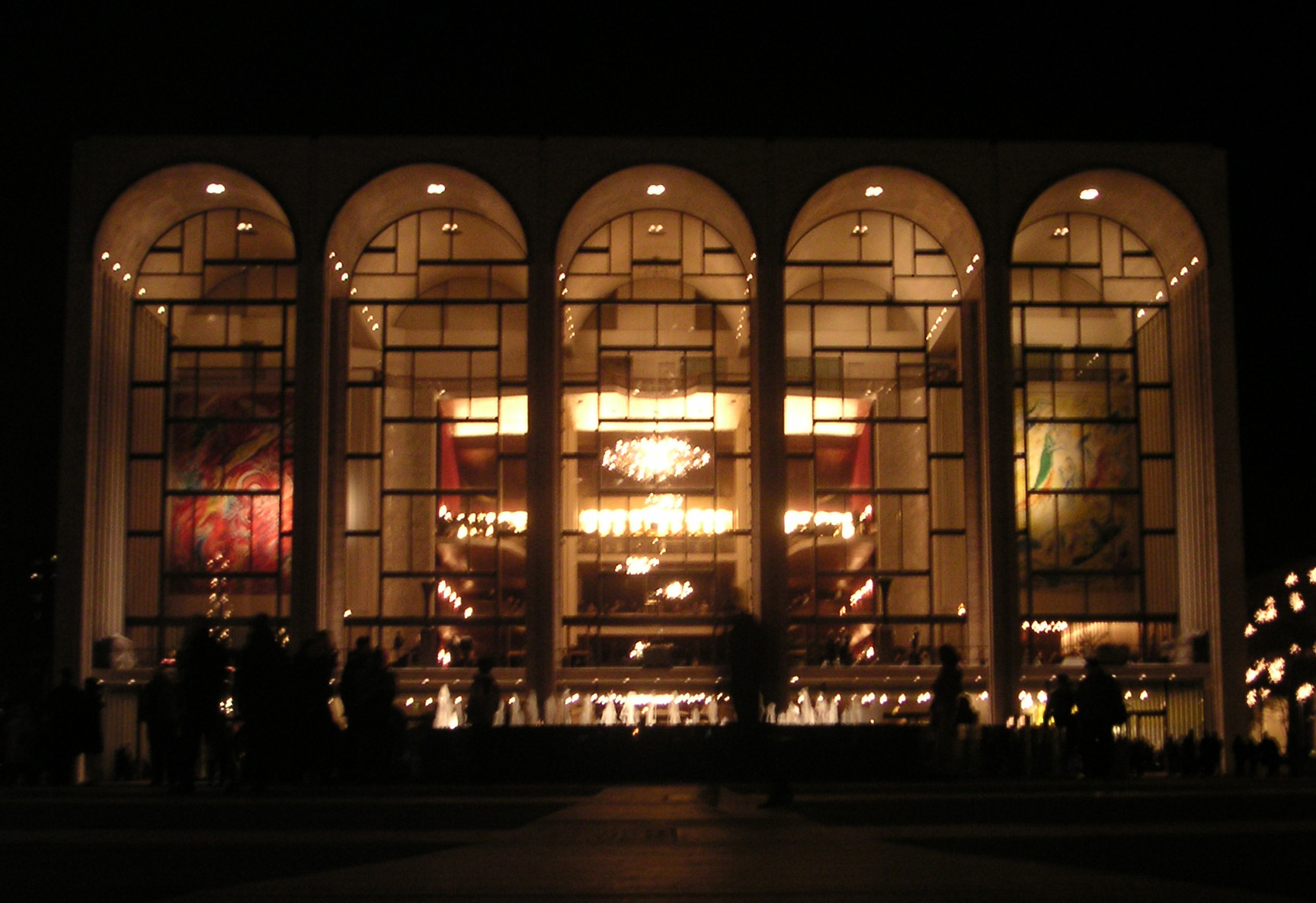
Beyond the iconic artists, a constellation of organizations and institutions underpins the New York music scene. The New York Chapter of the Recording Academy advocates for musicians' rights and hosts industry events. Organizations like New York Foundation for the Arts (NYFA) provide grants and support for individual artists across disciplines, including music. Venues such as The Blue Note and The Village Vanguard are legendary institutions for jazz, preserving and advancing the genre. The Lincoln Center for the Performing Arts serves as a major hub for classical and contemporary music performances. Independent labels like Sub Pop Records (though Seattle-based, it has significant NYC ties and influence) and Matador Records have long championed emerging artists from the city. The Atlantic Records and Columbia Records headquarters in Manhattan represent the enduring presence of major labels.
🌍 Cultural Impact & Influence
The New York music scene's influence is immeasurable, acting as a global trendsetter across countless genres. The raw, minimalist aesthetic of The Velvet Underground's music, for instance, profoundly impacted the development of indie rock and alternative rock worldwide. Hip-hop, born in the Bronx, has become the dominant global musical force of the past four decades, influencing everything from fashion and language to politics and social movements. The improvisational spirit of bebop jazz fundamentally altered the course of jazz and influenced subsequent improvisational music forms. Disco's infectious rhythms and production techniques laid the groundwork for house music, techno, and modern electronic dance music. The city's role as a media and cultural capital ensures that music originating here is amplified globally through radio, television, film, and the internet, shaping popular culture on an unprecedented scale.
⚡ Current State & Latest Developments
As of 2024, the New York music scene continues to be a dynamic force, adapting to the digital age while retaining its physical roots. The resurgence of live music post-pandemic has seen many venues, like Bowery Ballroom and Music Hall of Williamsburg, operating at full capacity, with a strong demand for both established and emerging artists. Independent artists are increasingly leveraging platforms like Bandcamp and SoundCloud to distribute their music directly to fans, bypassing traditional gatekeepers. There's a notable trend in the revival of genres like no-wave and post-punk aesthetics, often blended with contemporary electronic production. Furthermore, the city is seeing a rise in hyper-local music scenes, with Brooklyn neighborhoods like Bushwick and Bed-Stuy becoming hotbeds for experimental hip-hop and electronic music. The integration of virtual reality and augmented reality into live performances and music marketing is also an emerging development, with artists experimenting with metaverse concerts and immersive digital experiences.
🤔 Controversies & Debates
One of the most persistent debates surrounding the New York music scene is the tension between its historical legacy and its current relevance. Critics argue that the city has become prohibitively expensive, pricing out many emerging artists and stifling the organic creativity that once defined it, leading to a 'gentrification of sound.' Conversely, proponents highlight the continued innovation and the resilience of its artistic community, pointing to the sheer volume of new music being produced and the enduring appeal of its iconic venues. Another controversy revolves around the dominance of major labels versus the viability of independent artists; while digital platforms offer wider reach, the financial realities of making a living solely from music remain a significant challenge for many. The debate over the 'authenticity' of music produced in New York versus music from other global cities also surfaces, questioning whether the city's unique cultural DNA still imbues its music with a distinct character.
🔮 Future Outlook & Predictions
The future of the New York music scene appears poised for continued evolution, driven by technological advancements and shifting cultural landscapes. Expect a greater integration of AI in music creation and production, potentially democratizing complex processes but also raising questions about artistic authorship. The rise of decentralized music platforms and blockchain-based ownership models could offer artists new avenues for revenue and control, challenging the established industry structures. Live music will likely continue its hybrid evolution, blending physical performances with sophisticated digital streaming and interactive experiences. Furthermore, as climate change impacts global cities, New York's music scene may increasingly grapple with sustainability issues, influencing touring practices and venue operations. The city's enduring role as a global cultural nexus suggests it will remain a fertile ground for musical experimentation, even as its sonic identity continues to transform.
💡 Practical Applications
The New York music scene's influence extends into practical applications far beyond entertainment. The city's role in developing hip-hop has had profound impacts on global youth culture, fashion, and language, influencing marketing strategies and brand engagement for companies worldwide. The innovative production techniques pioneered in genres like disco and house music have been adopted across the electronic music industry and even in film scoring and advertising jingles. The improvisational techniques honed in bebop jazz have found applications in fields requiring rapid problem-solving and creative thinking, such as management consulting and software development. The city's legacy in musical theater continues to inform educational curricula and the entertainment industry, providing a blueprint for narrative-driven musical storytelling. Furthermore, the economic engine of New York's music industry serves as a model for urban cultural development, demonstrating how a vibrant arts scene can drive tourism and local economies.
Key Facts
- Year
- Early 20th Century - Present
- Origin
- New York City, USA
- Category
- culture
- Type
- place
Frequently Asked Questions
What are the most influential music genres that originated in New York City?
New York City is the birthplace of numerous globally influential music genres. These include hip-hop, bebop jazz, punk rock, disco, house music (specifically garage house), doo-wop, new wave, and salsa. The city's unique cultural melting pot and vibrant nightlife provided the fertile ground for these sounds to emerge and evolve, often in direct response to the social and cultural dynamics of the time. For instance, hip-hop emerged from the block parties of the Bronx in the 1970s, while bebop revolutionized jazz in the clubs of Manhattan during the 1940s.
How has the cost of living in New York City affected its music scene?
The escalating cost of living in New York City has been a significant challenge for its music scene, particularly for emerging artists. Rising rents for both living and rehearsal spaces, coupled with the general expense of operating a venue, have made it increasingly difficult for musicians to sustain careers in the city. This has led to concerns that the city is pricing out the very talent that has historically fueled its creative output, potentially leading to a less diverse and more commercially driven music landscape. While many artists still find ways to thrive, the economic barriers are undeniable, prompting debates about whether NYC can maintain its status as an accessible incubator for new music.
What are some iconic music venues in New York City?
New York City is home to a legendary array of music venues, each with its own distinct history and atmosphere. Iconic spots include CBGB, the legendary punk club that launched bands like The Ramones and Blondie; The Village Vanguard, a historic basement jazz club that has hosted virtually every major jazz artist; Studio 54, the quintessential disco palace; and Carnegie Hall, a world-renowned concert hall for classical and popular music. Other significant venues include Bowery Ballroom, Brooklyn Steel, Terminal 5, and Radio City Music Hall, each playing a crucial role in showcasing a wide spectrum of musical talent.
How did New York City become a hub for so many different music genres?
New York City's status as a musical hub stems from its unique position as a global crossroads for immigration and culture. For centuries, people from all over the world have settled in NYC, bringing their musical traditions with them. This constant influx of diverse influences, combined with the city's role as a major media and industry center, created a fertile environment for musical cross-pollination. Genres like salsa emerged from the fusion of Caribbean rhythms with local jazz and R&B, while hip-hop was born from the specific social conditions and creative innovations of its Black and Latino communities. The competitive spirit and the sheer density of artists and venues further fueled this creative ferment, leading to the birth and evolution of countless musical styles.
What is the current state of the independent music scene in New York?
The independent music scene in New York remains vibrant and resilient, despite economic challenges. Artists are increasingly utilizing digital platforms like Bandcamp and SoundCloud for distribution and direct fan engagement, fostering niche communities. Neighborhoods like Bushwick and Ridgewood have become hotspots for experimental electronic music and DIY shows, often in unconventional spaces. While major labels still hold sway, a strong network of independent labels, promoters, and blogs actively supports emerging talent. The DIY ethos is alive and well, with artists collaborating, self-releasing music, and organizing their own tours and events, demonstrating a persistent drive for creative autonomy.
How can aspiring musicians get involved in the New York music scene?
Aspiring musicians can immerse themselves in the New York scene by actively attending live shows across various genres and venues, from small clubs to larger halls. Networking is crucial; engaging with other musicians, promoters, and industry professionals at shows, workshops, and industry events can open doors. Utilizing online platforms like Bandcamp to discover local artists and connect with them is also effective. For those seeking formal training or industry connections, enrolling in music programs at institutions like The Juilliard School or NYU's Clive Davis Institute can be beneficial. Regularly performing, even at open mic nights or small showcases, builds experience and visibility. Understanding the business side through resources offered by organizations like NYFA is also vital for long-term success.
What is the future outlook for New York's role in global music trends?
New York City is likely to remain a significant, albeit evolving, force in shaping global music trends. Its inherent diversity and status as a global hub for culture and commerce ensure a continuous influx of new ideas and sounds. Expect to see further integration of technology, such as AI in music creation and immersive digital experiences in live performance, with NYC artists often at the forefront of these experiments. The city's resilience and adaptability, demonstrated throughout its musical history, suggest it will continue to innovate. While the specific genres and sounds may shift, New York's role as a crucible for musical innovation and a launchpad for global trends is unlikely to diminish, though its character may continue to transform.