
Contents
Overview
The dream of measuring glucose without breaking the skin dates back decades, predating even the first commercial blood glucose meters. Early research in the mid-20th century explored optical methods, attempting to correlate light absorption or scattering with glucose levels in blood. However, these initial forays were hampered by the complexity of biological tissues and the presence of numerous interfering substances. The advent of continuous glucose monitoring (CGM) in the late 1990s, with early systems like the MiniMed Guardian RT, marked a significant step, but these were still minimally invasive, requiring a subcutaneous sensor. The pursuit of truly non-invasive methods gained momentum with advancements in spectroscopy, ultrasound, and other sensing technologies, fueled by the growing global diabetes epidemic and the persistent demand for less burdensome monitoring solutions. Companies like Abbott and Dexcom have dominated the minimally invasive space, but the allure of a truly prick-free solution continues to drive innovation.
⚙️ How It Works
True non-invasive glucose monitoring aims to detect glucose levels through external means, avoiding any penetration of the skin. Several technological approaches are under investigation. Optical spectroscopy, particularly near-infrared spectroscopy (NIRS), attempts to measure glucose by analyzing how light is absorbed or reflected by tissues, as glucose has specific absorption bands. Radio frequency (RF) techniques propose using electromagnetic waves to probe glucose concentrations. Ultrasound is another avenue, exploring how glucose affects the speed or attenuation of sound waves. Other methods include analyzing breath for volatile organic compounds correlated with glucose levels, or even using tears or sweat. The core challenge across all these methods is the low concentration of glucose in interstitial fluid or other accessible matrices, and the presence of numerous confounding biological signals (water, proteins, lipids, etc.) that can interfere with accurate measurement. Developing algorithms to isolate the glucose signal from this noise is paramount for any successful NIGM device.
📊 Key Facts & Numbers
Despite significant commercial interest, a truly non-invasive glucose monitor has yet to capture a significant market share. Billions of dollars have been invested by venture capitalists and established medical device companies in NIGM research and development over the past two decades. For instance, C8 MEDisensors reportedly raised hundreds of millions before ceasing operations. Estimates suggest that over 90% of diabetes patients still rely on traditional blood glucose meters for monitoring, highlighting the gap between the promise of NIGM and its current reality. The accuracy requirements for diabetes management are stringent, often demanding readings within ±15-20% of actual blood glucose levels 95% of the time, a benchmark that has proven exceptionally difficult for non-invasive technologies to meet consistently.
👥 Key People & Organizations
Numerous individuals and organizations have been pivotal in the pursuit of non-invasive glucose monitoring. Dr. Y-Ren Wang and his team at MIT have published extensively on optical glucose sensing. Companies like GlucoWise (formerly Glucowise UK) and Orion Biotech have been prominent players, though often facing significant development hurdles. Senseonics, while primarily focused on implantable CGMs, also explored non-invasive aspects. The U.S. Food and Drug Administration (FDA) plays a crucial role in approving any new device, setting rigorous standards for safety and efficacy. Research institutions globally, including Stanford University and the University of Cambridge, continue to contribute fundamental science in this area. The landscape is dotted with both promising startups and established giants like Medtronic and Roche Diagnostics, all vying for a breakthrough.
🌍 Cultural Impact & Influence
The cultural impact of a successful non-invasive glucose monitor would be profound. For the estimated 537 million adults living with diabetes globally, it would mean an end to the daily pain, inconvenience, and potential for infection associated with finger pricks and sensor insertions. This could dramatically improve quality of life and adherence to treatment regimens, especially for children and those with needle phobias. Beyond diabetes, the technology could find applications in sports nutrition, weight management, and general health monitoring. The psychological burden of constant monitoring, often referred to as 'diabetes distress,' could be significantly alleviated. The widespread adoption of such a device would represent a major victory for patient empowerment and a shift towards more proactive, less intrusive healthcare.
⚡ Current State & Latest Developments
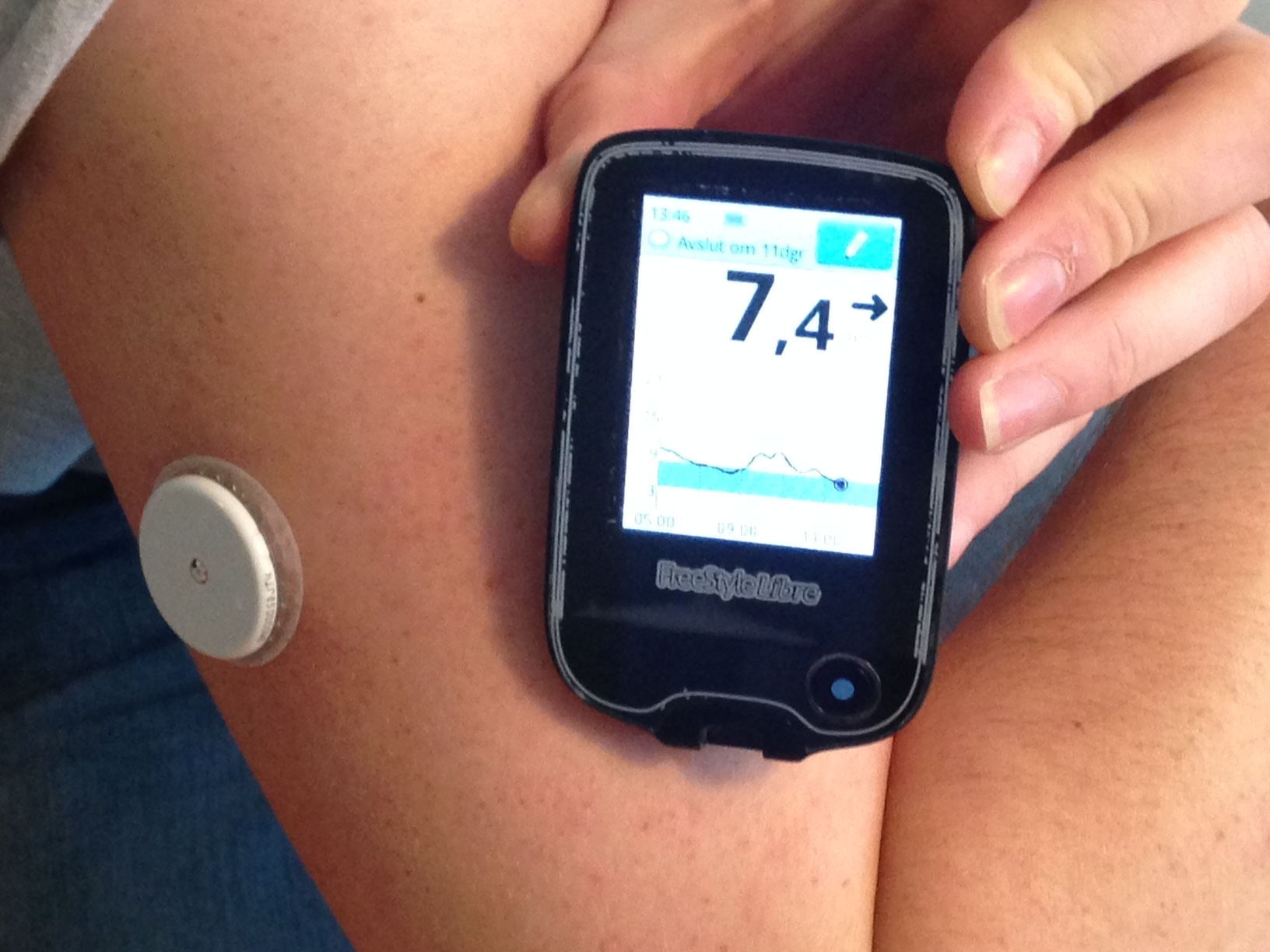
As of 2024, the landscape of non-invasive glucose monitoring remains challenging. While several companies have announced progress, none have achieved widespread regulatory approval and market success for a truly non-invasive device. GlucoWise reportedly faced significant setbacks, and C8 MEDisensors ceased operations after years of development. Newer entrants continue to emerge, often leveraging advancements in artificial intelligence and machine learning to interpret complex sensor data. For example, research into wearable technology continues to explore novel sensor materials and integration methods. The focus has also shifted towards improving existing CGM technology, making sensors smaller, more accurate, and longer-lasting, while the dream of a truly non-invasive solution persists as a long-term goal. The recent FDA approval of Abbott's FreeStyle Libre 3 and Dexcom's G7 highlights the current strength of minimally invasive CGMs.
🤔 Controversies & Debates
The primary controversy surrounding non-invasive glucose monitoring lies in the persistent gap between ambitious claims and actual performance. Many companies have announced breakthroughs or imminent product launches, only to falter due to accuracy issues, regulatory hurdles, or insurmountable technical challenges. This has led to skepticism within the medical community and among patients who have been disappointed by previous failed attempts. Critics argue that some companies overstate their progress, leading to false hope. Furthermore, the debate continues regarding the acceptable level of accuracy for a non-invasive device; while a prick-free experience is desirable, it must not compromise patient safety by providing unreliable readings that could lead to dangerous hypo- or hyperglycemia events. The high cost of development also means that any successful NIGM device would likely face scrutiny over its pricing, especially in comparison to existing, more affordable monitoring methods.
🔮 Future Outlook & Predictions
The future of non-invasive glucose monitoring hinges on overcoming fundamental scientific and engineering obstacles. Breakthroughs in sensor technology, signal processing, and artificial intelligence are crucial. Experts predict that if a reliable NIGM device emerges, it could render traditional finger-prick meters obsolete for many users within a decade. Some futurists envision integrated NIGM capabilities in everyday items like smartwatches or even clothing. However, the timeline remains uncertain; some optimistic projections suggest a viable product within 5-10 years, while more cautious estimates place it 15-20 years away, or even longer. The success will likely depend on a confluence of improved sensor sensitivity, advanced algorithms capable of filtering out biological noise, and sustained investment in research and developm
Key Facts
- Category
- technology
- Type
- topic