
Contents
Overview
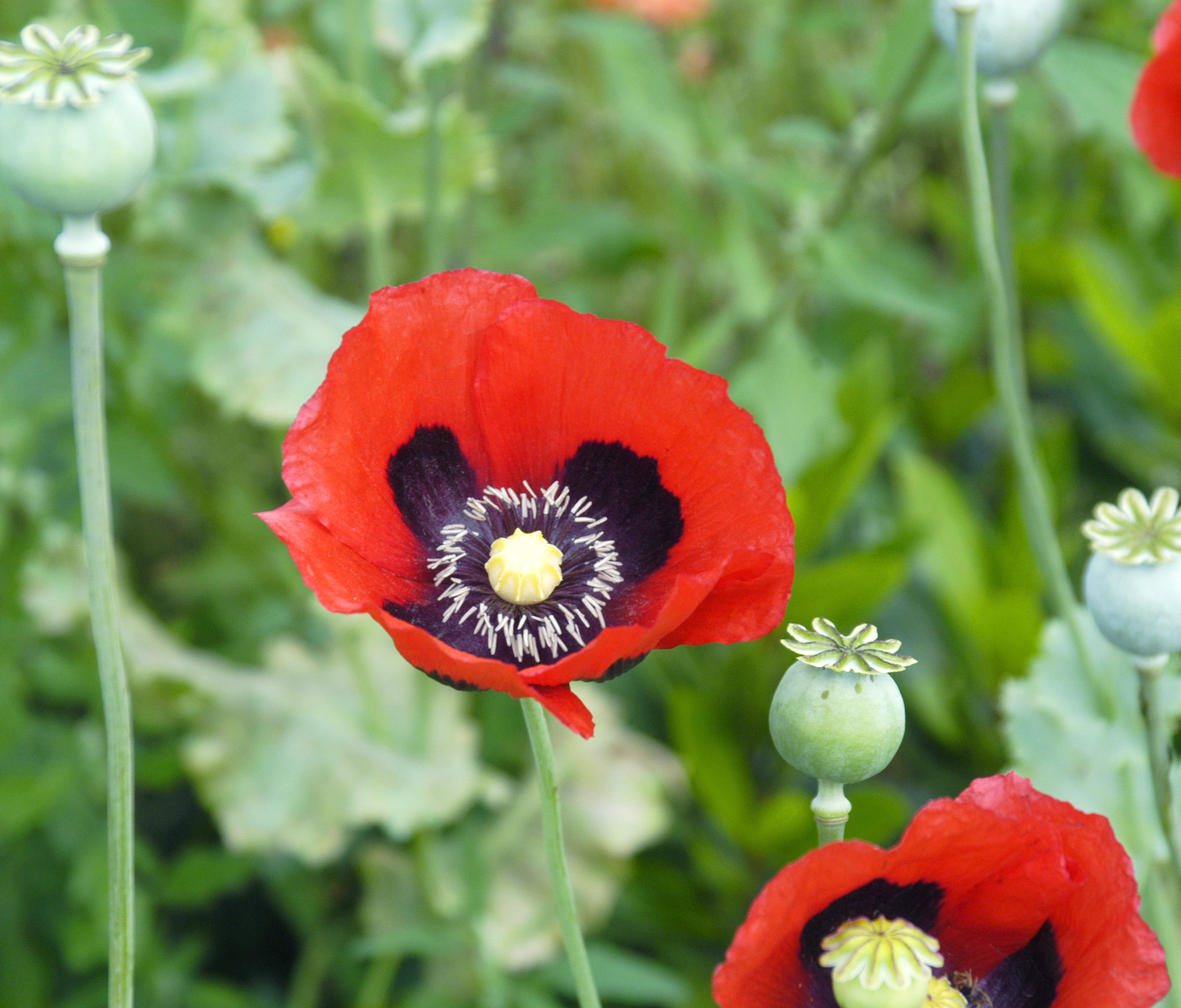
Papaver somniferum, commonly known as the opium poppy, is a flowering plant species within the Papaveraceae family. Its cultivation has spread globally, becoming naturalized in temperate climates worldwide. Historically, it has been a cornerstone of medicinal practices, yielding potent analgesics, while its seeds are a culinary staple in baked goods and oils. The plant's striking ornamental value also contributes to its widespread presence in gardens. Despite its utility, the psychoactive properties of its latex have led to significant legal and ethical debates surrounding its cultivation and the production of illicit drugs, placing it at a complex intersection of agriculture, medicine, and global policy.
🎵 Origins & History
The lineage of Papaver somniferum stretches back to antiquity. Its cultivation spread along trade routes, reaching Persia, India, and eventually China, becoming deeply embedded in both traditional medicine and cultural practices across diverse civilizations. The distinction between its medicinal use and recreational potential has been a recurring theme throughout its long history.
⚙️ How It Works
Papaver somniferum produces a distinctive capsule, often referred to as the 'opium pod,' from which a milky latex is exuded when the plant is incised. This latex contains a complex mixture of alkaloids. The seeds, which develop within the mature, dried capsule, are small, kidney-shaped, and contain negligible amounts of alkaloids. They are harvested for their nutty flavor and nutritional content, primarily used in culinary applications and for extracting oil.
📊 Key Facts & Numbers
Globally, Papaver somniferum is cultivated across millions of hectares, though precise figures are difficult to ascertain due to both legal and illicit farming. Legal cultivation is dominated by companies like Takeda and Pfizer, with Australia being a significant legal producer. The market value of legal opium derivatives for pharmaceuticals is estimated to be in the billions of dollars, while the illicit drug trade generates hundreds of billions annually.
👥 Key People & Organizations
Key figures associated with Papaver somniferum span historical physicians, modern pharmacologists, and international drug control bodies. Galen, the Roman physician, extensively documented its medicinal uses. In the 19th century, Friedrich Sertürner isolated morphine from opium in 1804, a pivotal moment in pharmacology. Albert Niemann later isolated codeine in 1832. Modern pharmaceutical giants like Johnson & Johnson and AbbVie (formerly Abbott Laboratories) have historically been involved in the production and distribution of opioid-based medications derived from poppy alkaloids. International organizations such as the United Nations Office on Drugs and Crime (UNODC) and the International Narcotics Control Board (INCB) play crucial roles in monitoring and regulating global poppy cultivation and opium production.
🌍 Cultural Impact & Influence
The cultural footprint of Papaver somniferum is vast and varied. In art, it has been a recurring motif, symbolizing sleep, death, and remembrance, notably in paintings by Vincent van Gogh and Claude Monet. Literature has explored its psychoactive properties and the societal impact of opium, from Thomas De Quincey's Confessions of an English Opium-Eater to the depiction of opium dens in Victorian England. Culinary traditions worldwide incorporate poppy seeds into breads, pastries, and confections, such as bagels, challah, and poppy seed rolls. In some cultures, the poppy flower itself is a symbol of peace and remembrance, particularly in relation to World War I, inspired by the poem 'In Flanders Fields.' The plant's dual nature—as a source of healing and a substance of abuse—has made it a persistent element in human culture and consciousness.
⚡ Current State & Latest Developments
Current developments in Papaver somniferum cultivation focus on optimizing yields for both pharmaceutical and culinary purposes. In legal cultivation, advancements in agricultural technology and plant breeding aim to increase alkaloid content and seed production while minimizing environmental impact. Countries like Australia and Turkey are major legal producers, adhering to strict international quotas set by the INCB. Meanwhile, illicit cultivation remains a significant global challenge, with ongoing efforts by international bodies and national governments to curb production through eradication programs and alternative livelihood initiatives. The development of new synthetic opioids has also influenced the demand for naturally derived opiates.
🤔 Controversies & Debates
The most significant controversy surrounding Papaver somniferum is its role as the primary source of opium, which is processed into heroin and other illicit opioids. This has led to extensive international efforts to control its cultivation, often clashing with the livelihoods of farmers in regions like Afghanistan and Myanmar. Debates also persist regarding the appropriate balance between legal pharmaceutical production of pain relievers and the risk of diversion and addiction. Furthermore, the classification of poppy seeds as potentially containing trace amounts of opium alkaloids has led to import restrictions and labeling requirements in some countries, creating confusion for consumers and the food industry. The 'Poisonous Plant of the Year' award, bestowed by the American Society of Horticultural Science, highlights its inherent toxicity.
🔮 Future Outlook & Predictions
The future of Papaver somniferum cultivation will likely be shaped by ongoing efforts to balance medicinal needs with drug control. Research into developing poppy varieties with higher concentrations of specific alkaloids, such as thebaine, could streamline the production of essential semi-synthetic opioids like oxycodone and hydrocodone, potentially reducing the overall land required for cultivation. Advances in biotechnology may also lead to alternative methods for producing these compounds, lessening reliance on traditional farming. For culinary seeds, sustainable farming practices and genetic improvements for flavor and oil content will remain key. International cooperation will be crucial in managing the global supply chain and mitigating the risks associated with illicit production.
💡 Practical Applications
Papaver somniferum has several critical practical applications. Medically, it is the indispensable source for opioid analgesics like morphine and codeine, essential for managing severe pain, particularly in palliative care and post-operative settings. Thebaine extracted from the plant is a vital precursor for semi-synthetic opioids such as oxycodone, hydrocodone, and buprenorphine, which are widely prescribed. For culinary purposes, poppy seeds are used globally in baking, providing a distinct nutty flavor and texture to breads, cakes, and pastries. Poppy seed oil, extracted from the seeds, is used in cooking and as a component in paints and varnishes due to its drying properties. Ornamental varieties are also cultivated for their aesthetic appeal in gardens.
Key Facts
- Category
- nature
- Type
- topic