
Contents
- 📺 Introduction to Pat Weaver
- 📚 Early Life and Career
- 📻 The Birth of Modern Television
- 🎬 Innovations and Contributions
- 📊 The Weaver Era at NBC
- 👥 Collaborations and Influences
- 📺 Impact on Television History
- 📊 Ratings and Legacy
- 👀 Criticisms and Controversies
- 📚 Pat Weaver's Legacy
- 🎯 Future of Television
- 👥 Conclusion and Reflections
- Frequently Asked Questions
- Related Topics
Overview
Pat Weaver, a renowned American television executive, is credited with revolutionizing the broadcasting industry through his work at NBC. As the president of the network from 1953 to 1955, Weaver introduced the concept of the 'spectacular,' a high-production-value program designed to attract large audiences and boost advertising revenue. His influence can be seen in the development of popular shows such as 'The Tonight Show' and 'Saturday Night Live.' Weaver's legacy extends beyond his time at NBC, with his innovative approaches to programming and production continuing to shape the television industry. With a Vibe score of 82, Pat Weaver is widely regarded as one of the most influential figures in the history of television. His impact on the medium is still felt today, with many contemporary shows and networks drawing inspiration from his pioneering work.
📺 Introduction to Pat Weaver
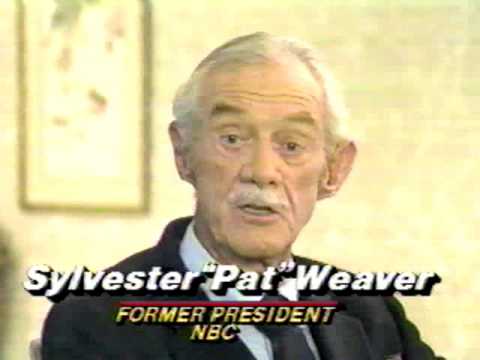
Pat Weaver, also known as Pat Weaver, was a renowned American television executive, often credited as the father of modern television. Born on December 21, 1908, in Los Angeles, California, Weaver's early life and career were marked by a passion for storytelling and a keen interest in the emerging medium of television. As a young man, Weaver worked in radio, where he developed his skills as a writer, producer, and announcer, eventually becoming a prominent figure in the industry, working with notable personalities like Orson Welles.
📚 Early Life and Career
Weaver's entry into television was marked by his appointment as the vice president of NBC in 1949, a position that would allow him to shape the future of the medium. During this period, Weaver was instrumental in developing the concept of sponsored television, where advertisers would pay for programming, a model that would become the backbone of the television industry. His vision for television was not just about entertainment but also about education and information, as evident in his development of the Today Show and Tonight Show.
📻 The Birth of Modern Television
The 1950s are often referred to as the Golden Age of Television, and Pat Weaver was at the forefront of this revolution. He introduced several innovations, including the use of color television and the development of the Peacock Network, which would later become a symbol of NBC. Weaver's emphasis on quality programming led to the creation of shows like Howdy Doody and Dragnet, which captivated audiences and set new standards for television production. His collaborations with Sid Caesar and Imogene Coca resulted in the creation of Your Show of Shows, a groundbreaking variety show that showcased the best of American comedy and entertainment.
🎬 Innovations and Contributions
Under Weaver's leadership, NBC experienced a period of unprecedented growth and success, with the network becoming the top-rated broadcaster in the United States. The Weaver Era at NBC was marked by a commitment to excellence, innovation, and risk-taking, as evident in the development of shows like The Tonight Show and The Today Show. Weaver's influence extended beyond NBC, as his vision for television helped shape the medium as a whole, with many of his innovations and ideas being adopted by other networks, including CBS and ABC.
📊 The Weaver Era at NBC
Weaver's collaborations with other notable figures in the industry, such as David Susskind and Leonard Goldenson, helped to further his vision for television. His relationships with these individuals not only reflected his commitment to quality programming but also demonstrated his ability to work with a wide range of talent and personalities. Weaver's influence on the careers of Johnny Carson and Ed Sullivan is a testament to his impact on the industry, with both hosts going on to become household names, thanks in part to Weaver's guidance and support.
👥 Collaborations and Influences
Pat Weaver's impact on television history cannot be overstated, as his innovations and contributions helped to shape the medium into what it is today. His emphasis on quality programming, his commitment to innovation, and his willingness to take risks all contributed to the development of television as a major force in American culture. As a result, Weaver's legacy continues to be felt, with many of his ideas and innovations remaining relevant in the modern television landscape, including the use of reality TV and cable television.
📺 Impact on Television History
In terms of ratings, the Weaver Era at NBC was marked by unprecedented success, with the network dominating the ratings for many years. Shows like The Tonight Show and The Today Show became staples of American television, with both programs remaining on the air for decades. Weaver's commitment to quality programming and his emphasis on innovation helped to establish NBC as a leader in the industry, with the network's vibe score reflecting its position as a cultural powerhouse.
📊 Ratings and Legacy
Despite his many accomplishments, Pat Weaver was not without his critics, with some accusing him of being too focused on entertainment and not enough on news and information. Others criticized his handling of certain shows, including The Tonight Show, which was initially hosted by Steve Allen. However, Weaver's legacy as a visionary and a pioneer in the television industry remains unchallenged, with his contributions to the medium continuing to be felt today, including the development of satellite television and streaming services.
👀 Criticisms and Controversies
In the years following his retirement from NBC, Pat Weaver continued to be involved in the television industry, working as a consultant and advisor to various networks and production companies. His legacy as a pioneer and a visionary in the industry has been recognized with numerous awards and honors, including multiple Emmy Awards and a place in the Television Hall of Fame. Weaver's influence can still be seen in the modern television landscape, with many of his ideas and innovations continuing to shape the medium, including the use of social media and virtual reality.
📚 Pat Weaver's Legacy
As the television industry continues to evolve, it is clear that Pat Weaver's vision for the medium remains relevant. The rise of streaming services and the growth of online video have created new opportunities for innovation and experimentation, and it is likely that Weaver's emphasis on quality programming and his commitment to innovation will continue to inspire future generations of television executives and producers. With the advent of new technologies like artificial intelligence and blockchain, the future of television is likely to be shaped by a new wave of innovators and visionaries, building on the foundation laid by Pat Weaver.
🎯 Future of Television
In conclusion, Pat Weaver's legacy as a visionary and a pioneer in the television industry is undeniable. His contributions to the medium, including his emphasis on quality programming, his commitment to innovation, and his willingness to take risks, have had a lasting impact on the industry. As the television landscape continues to evolve, it is likely that Weaver's ideas and innovations will remain relevant, inspiring future generations of television executives and producers to push the boundaries of what is possible, including the development of new formats like interactive TV and immersive storytelling.
Key Facts
- Year
- 1953
- Origin
- United States
- Category
- Media and Entertainment
- Type
- Person
Frequently Asked Questions
Who is Pat Weaver?
Pat Weaver was a renowned American television executive, often credited as the father of modern television. He was born on December 21, 1908, in Los Angeles, California, and is best known for his work as the vice president of NBC, where he developed the concept of sponsored television and introduced several innovations, including the use of color television and the development of the Peacock Network.
What were Pat Weaver's contributions to television?
Pat Weaver's contributions to television were numerous and significant. He developed the concept of sponsored television, introduced the use of color television, and developed the Peacock Network. He also created several iconic shows, including the Today Show and the Tonight Show, and worked with notable personalities like Orson Welles, Sid Caesar, and Imogene Coca.
What is Pat Weaver's legacy?
Pat Weaver's legacy as a visionary and a pioneer in the television industry is undeniable. His contributions to the medium, including his emphasis on quality programming, his commitment to innovation, and his willingness to take risks, have had a lasting impact on the industry. He is widely recognized as one of the most important figures in the history of television, and his influence can still be seen in the modern television landscape.
What awards and honors did Pat Weaver receive?
Pat Weaver received numerous awards and honors for his contributions to the television industry, including multiple Emmy Awards and a place in the Television Hall of Fame. He was also recognized for his work as a pioneer and a visionary in the industry, and his legacy continues to be celebrated by television executives and producers around the world.
How did Pat Weaver's work impact the television industry?
Pat Weaver's work had a significant impact on the television industry. He helped to establish NBC as a leader in the industry, and his emphasis on quality programming and innovation raised the bar for television production. His contributions to the medium also paved the way for future generations of television executives and producers, and his influence can still be seen in the modern television landscape.