
Contents
Overview
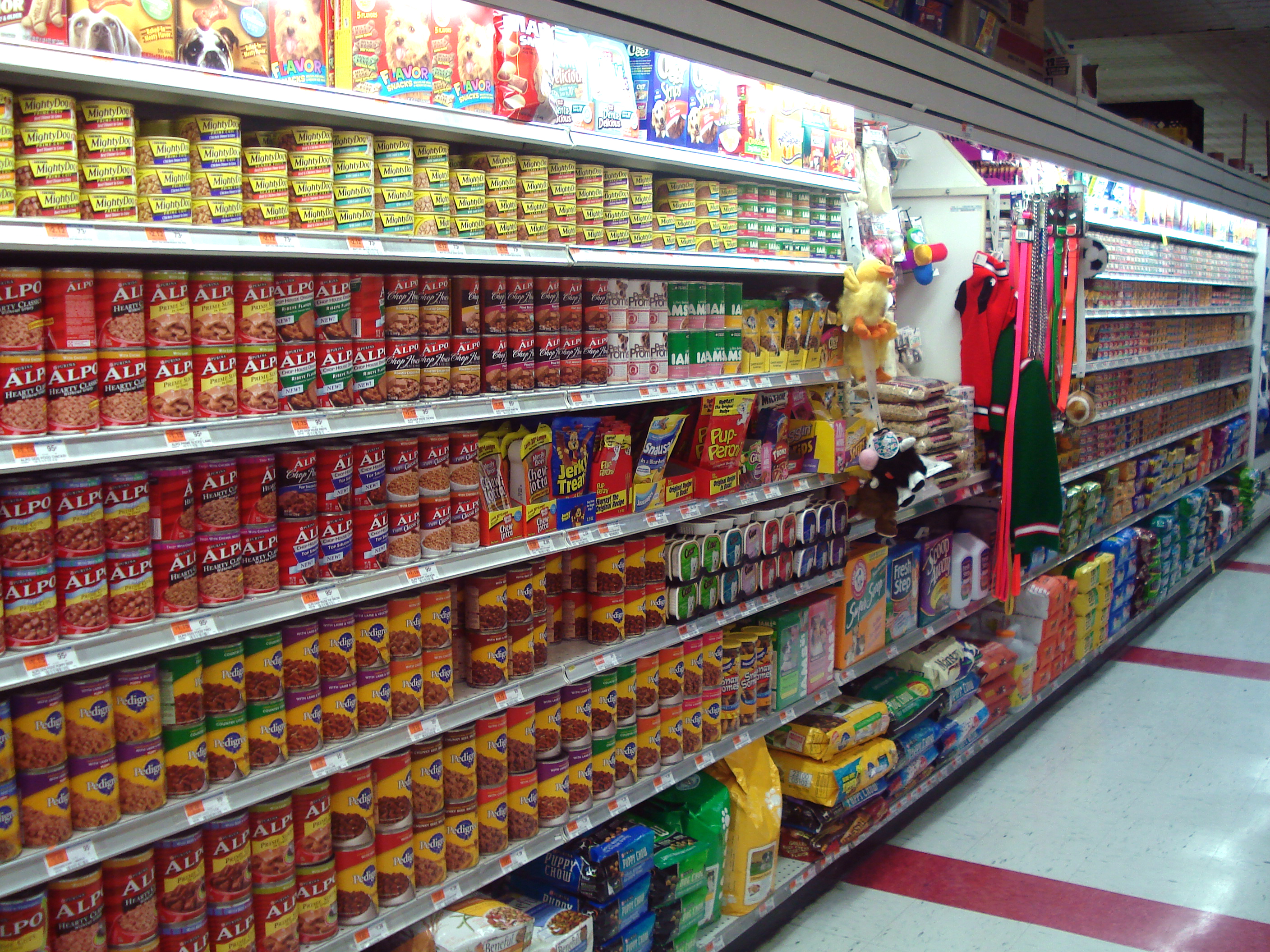
The pet food industry is a colossal global market dedicated to producing and selling food specifically formulated for companion animals. Evolving from simple scraps and byproducts, it now encompasses a vast array of specialized diets, from kibble and wet food to raw and prescription meals, catering to diverse species, breeds, and health needs. This multi-billion dollar sector is dominated by a handful of major corporations but is increasingly seeing disruption from niche brands focusing on premium ingredients, sustainability, and novel proteins. The industry's growth is intrinsically linked to the humanization of pets, where animals are increasingly viewed as family members, driving demand for higher quality and more tailored nutrition. However, this expansion also brings scrutiny regarding ingredient sourcing, environmental impact, and the nutritional science underpinning many product claims.
🎵 Origins & History
The pet food industry's origins can be traced back to the late 19th century, a period when the concept of feeding pets manufactured food was nascent. Early iterations often involved repurposing byproducts from the human food industry, such as meat scraps and grains, which were then processed into basic biscuits or canned goods. Ken-L-Ration pioneered canned meat-based foods for dogs, initially derived from horse meat. The establishment of organizations like the Association of American Feed Control Officials (AAFCO) began to introduce regulatory standards, moving the industry towards more scientifically grounded nutritional guidelines.
⚙️ How It Works
The modern pet food industry operates on a complex supply chain that transforms raw ingredients into finished products. The process typically begins with the sourcing of raw materials, including meats (poultry, beef, fish), grains (corn, wheat, rice), vegetables, fruits, and various vitamins and minerals. For dry kibble, these ingredients are ground, mixed with water and binders, and then extruded under high pressure and temperature, a process that cooks the food and gives it its characteristic shape. This extrusion also gelatinizes starches, making them digestible. Wet food production involves mixing ingredients, often with broths or gravies, and then sealing them in cans or pouches before undergoing a sterilization process through retorting, similar to canning human food. Prescription and specialized diets often involve more precise ingredient selection and processing methods to cater to specific health conditions, such as kidney disease or allergies, often developed in collaboration with veterinary nutritionists from institutions like UC Davis's School of Veterinary Medicine.
📊 Key Facts & Numbers
The global pet food market is a titan, demonstrating robust annual growth rates. The Asia-Pacific region is experiencing the fastest growth in the pet food market, driven by increasing pet ownership and disposable income. Dry food (kibble) remains a dominant product type. Online retailers like Chewy and Amazon play increasingly significant roles in the market.
👥 Key People & Organizations
The pet food industry is largely shaped by a few dominant multinational corporations. Mars, Incorporated stands as the largest player, through its Purina PetCare division, controlling a significant portion of the market with brands like Royal Canin, Pedigree, and Whiskas. Nestlé Purina PetCare is another giant, known for brands such as Purina Pro Plan and Fancy Feast. Hill's Pet Nutrition, a subsidiary of Colgate-Palmolive, is also a major player. Beyond these giants, a wave of smaller, agile companies like Nom Nom and The Farmer's Dog are disrupting the market with direct-to-consumer fresh and personalized meal plans, challenging traditional manufacturing models and ingredient philosophies.
🌍 Cultural Impact & Influence
The pet food industry's cultural impact is profound, reflecting and amplifying the growing trend of pet humanization. Pets are increasingly viewed not just as animals but as integral family members, leading owners to seek out foods that mirror human dietary trends and quality standards. This has fueled the demand for 'natural,' 'organic,' 'grain-free,' and 'limited-ingredient' diets, mirroring human concerns about health and wellness. The rise of social media platforms like Instagram and TikTok has further amplified this, with 'petfluencers' showcasing their pets' diets and lifestyles, influencing purchasing decisions. Furthermore, the industry has become a significant battleground for nutritional science and marketing, with brands investing heavily in research and advertising to position their products as superior. This cultural shift has also led to the proliferation of specialized pet nutritionists and veterinary diets, integrating pet food into the broader healthcare ecosystem, as seen with brands like Hill's Pet Nutrition's prescription diets.
⚡ Current State & Latest Developments
The pet food industry in 2024 is characterized by rapid innovation and evolving consumer demands. The trend towards personalized nutrition continues to gain momentum, with companies offering customized meal plans based on a pet's specific breed, age, activity level, and health conditions, often delivered via subscription services like The Farmer's Dog and Nom Nom. Sustainability is also a growing concern, pushing manufacturers to explore alternative proteins like insect-based ingredients (e.g., Entomo Farms) and plant-based options, as well as to reduce packaging waste. The integration of technology is also on the rise, with smart feeders and AI-powered dietary analysis tools emerging. Regulatory bodies, such as the U.S. Food and Drug Administration (FDA), are increasing their scrutiny of pet food safety and labeling, particularly concerning the link between certain diets and cases of canine dilated cardiomyopathy (DCM), leading to more rigorous testing and transparency demands from consumers and regulators alike.
🤔 Controversies & Debates
The pet food industry is not without its controversies and debates, chief among them being the scientific basis for many premium marketing claims. The 'grain-free' trend, for instance, gained widespread popularity but has been linked by the FDA to a potential increase in canine dilated cardiomyopathy (DCM) in dogs, sparking intense debate among veterinarians and pet owners about the role of legumes and alternative carbohydrates. Ingredient sourcing and quality also remain contentious; while many brands tout 'human-grade' ingredients, the definition is often loosely applied, and byproducts, while safe and nutritious, are sometimes presented negatively in marketing. The environmental footprint of pet food production, particularly the reliance on meat and the associated land use and greenhouse gas emissions, is another area of concern, prompting calls for more sustainable sourcing and alternative protein development. Furthermore, the consolidation of the market under a few large corporations raises questions about competition and consumer choice, with smaller brands often struggling to compete on price and distribution.
🔮 Future Outlook & Predictions
The future of the pet food industry is poised for continued growth and transformation, driven by several key trends. Personalization will likely become even more sophisticated, potentially incorporating real-time health monitoring through wearab
Key Facts
- Category
- culture
- Type
- topic