
Contents
- 🎵 Origins & History
- ⚙️ How It Works
- 📊 Key Facts & Numbers
- 👥 Key People & Organizations
- 🌍 Cultural Impact & Influence
- ⚡ Current State & Latest Developments
- 🤔 Controversies & Debates
- 🔮 Future Outlook & Predictions
- 💡 Practical Applications
- 📚 Related Topics & Deeper Reading
- Frequently Asked Questions
- References
- Related Topics
Overview
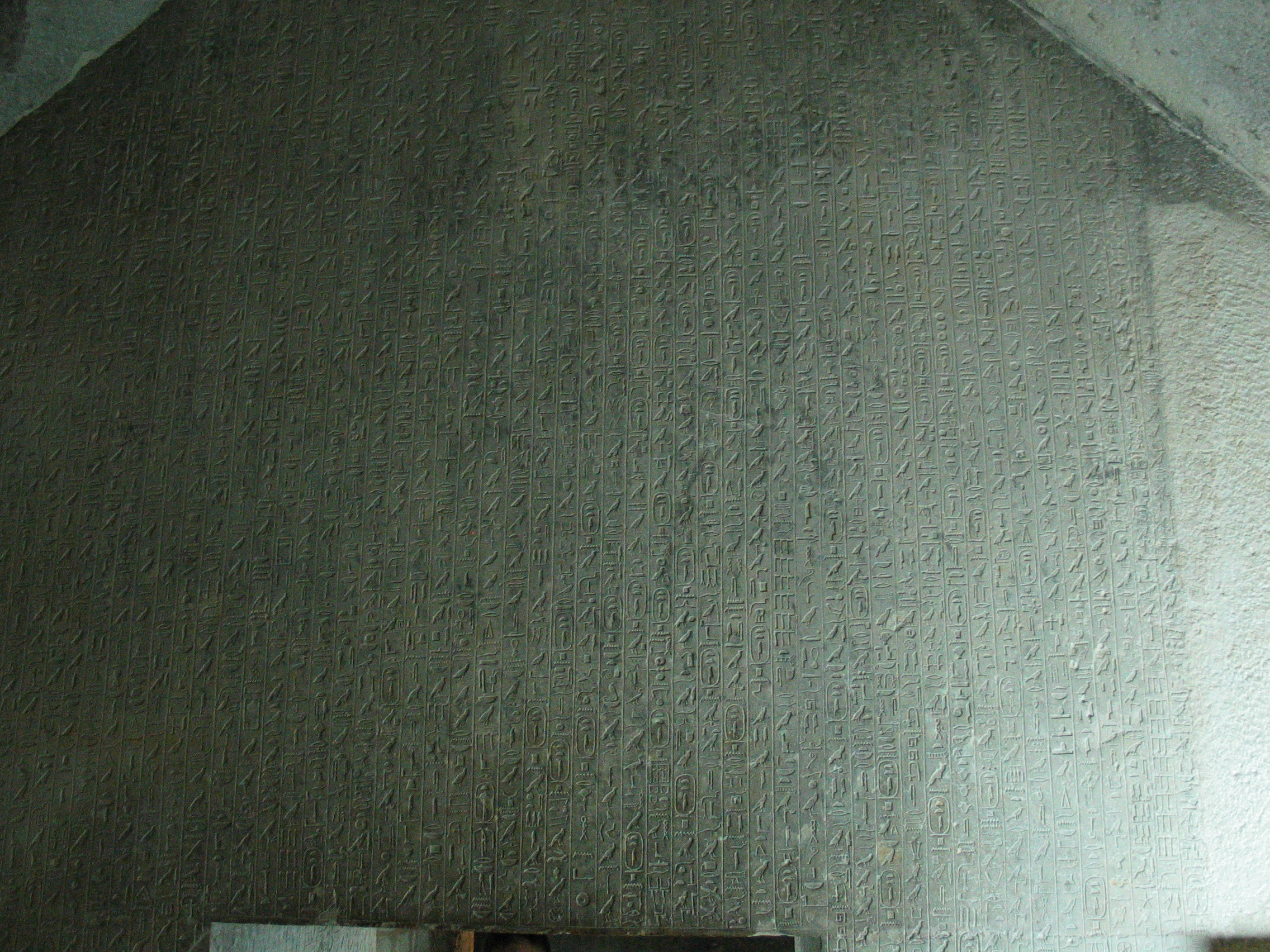
The genesis of the Pyramid Texts can be traced to the late Old Kingdom of Egypt, specifically the late Fifth Dynasty and throughout the Sixth Dynasty, with inscriptions continuing into the Eighth Dynasty during the First Intermediate Period. The oldest known examples are found within the Pyramid of Unas at Saqqara, dating to approximately 2400–2300 BCE. These texts were not compiled as a single, unified document but rather emerged organically as spells and utterances deemed essential for the pharaoh's successful transition to the afterlife. Their placement on the inner chambers of royal pyramids underscores their sacred and exclusive nature, intended solely for the divine ruler. Precursors to these texts likely existed in oral traditions or perishable materials, but the Pyramid Texts are the earliest surviving physical manifestation of Egyptian funerary literature, marking a significant development in religious thought and practice under rulers like Pepi I and Pepi II.
⚙️ How It Works
The Pyramid Texts function as a complex set of magical utterances and divine pronouncements designed to ensure the pharaoh's resurrection and ascension to the heavens. Carved in hieroglyphs onto the pyramid walls, these spells were believed to possess inherent power, acting as a spiritual blueprint for the afterlife. They invoke deities like Osiris, the god of the underworld, and Horus, the god of kingship, to aid the deceased king. The texts describe the king's transformation into a divine being, his ability to traverse the sky, and his participation in the celestial boat of Ra. Key rituals and mythological narratives, such as the "Ascension of the King" and the "Opening of the Mouth" ceremony, are embedded within the spells, providing a comprehensive guide for the king's deification and eternal reign in the Field of Reeds.
📊 Key Facts & Numbers
The corpus of the Pyramid Texts comprises over 700 distinct spells, hymns, and incantations, with the Pyramid of Unas containing approximately 228 of these utterances. These texts were inscribed on the subterranean chambers of at least 10 pyramids, primarily at the Saqqara necropolis. The earliest inscriptions date to around 2400 BCE, while later examples extend into the early First Intermediate Period, around 2150 BCE. The sheer volume and intricate detail of these inscriptions, covering an estimated 5,000 square meters of wall space across these royal tombs, represent a monumental undertaking of scribal and artistic labor. The average length of a spell can range from a few lines to several hundred, demonstrating the varied complexity of the funerary rituals they describe.
👥 Key People & Organizations
While the Pyramid Texts were created for pharaohs, the inscriptions themselves are attributed to the scribes and artisans of the Old Kingdom's royal court. Key royal figures associated with the earliest and most complete versions include Unas (c. 2400 BCE), Teti (c. 2350 BCE), Pepi I (c. 2300 BCE), Merenre I (c. 2250 BCE), and Pepi II (c. 2200 BCE). Queens such as Wedjebten, wife of Pepi I, and Neith and Iput II, wives of Pepi I and Pepi II respectively, also had these texts inscribed in their pyramids, indicating a limited extension of this royal privilege. The decipherment and translation of these texts in the 19th century were largely the work of Egyptologists like Kurt Sethe and Gamal Moustafo El-Sayed, who meticulously documented and interpreted the hieroglyphic inscriptions.
🌍 Cultural Impact & Influence
The Pyramid Texts have had a profound and enduring impact on our understanding of ancient Egyptian civilization, providing the foundational layer for all subsequent Egyptian religious literature. They established a theological framework that would influence the Coffin Texts of the Middle Kingdom and the more widely known Book of the Dead of the New Kingdom, though these later texts became accessible to a broader elite. The spells reveal the evolution of Egyptian cosmology, particularly the growing importance of the solar cult of Ra and the Osirian myth. Furthermore, the linguistic evidence within the texts is crucial for reconstructing the Old Egyptian language, offering insights into its grammar and vocabulary. The very concept of a written guide for the afterlife, a spiritual roadmap, has resonated through millennia, influencing funerary practices and beliefs in various cultures.
⚡ Current State & Latest Developments
In 2024, the Pyramid Texts remain a primary source for Egyptological research, continuously studied by scholars worldwide. Ongoing archaeological work at sites like Saqqara occasionally uncovers new inscriptions or provides better context for existing ones. Digital humanities projects are increasingly involved in creating high-resolution scans and searchable databases of the texts, making them more accessible for academic study and public engagement. For instance, projects at institutions like the University of Chicago and the British Museum are dedicated to preserving and analyzing these ancient inscriptions. The interpretation of specific spells and their theological implications remains an active area of scholarly debate, with new theories emerging regarding their precise function and meaning.
🤔 Controversies & Debates
A significant debate surrounding the Pyramid Texts centers on their exact function and the extent of their efficacy. Were they merely symbolic, or were they believed to possess literal magical power? Scholars like Jan Assmann argue for their potent magical efficacy, while others suggest a more symbolic role in the pharaoh's divine transformation. Another point of contention is the precise relationship between the Pyramid Texts and earlier, potentially oral, traditions. The limited number of queens who received the texts also raises questions about gender roles and the distribution of religious authority within the royal family during the Old Kingdom. Furthermore, the exact process by which these spells were selected and compiled remains somewhat enigmatic, with no definitive original "author" or "editor" identified.
🔮 Future Outlook & Predictions
The future of Pyramid Texts research lies in interdisciplinary approaches, combining traditional Egyptology with advanced technologies. Advances in 3D scanning and photogrammetric analysis are enabling more detailed study of the inscriptions and their architectural context, potentially revealing new patterns or connections between spells. Comparative studies with other ancient Near Eastern funerary literature may shed further light on shared cultural influences or unique Egyptian developments. It is also plausible that future archaeological discoveries at Saqqara or other Old Kingdom sites could uncover additional pyramids containing these texts, or even earlier examples that push back their inception date. The ongoing digital preservation and accessibility efforts will undoubtedly foster new generations of scholars to engage with this foundational corpus.
💡 Practical Applications
The primary "application" of the Pyramid Texts is academic and historical: they serve as an unparalleled window into the religious and linguistic world of Old Kingdom Egypt. For Egyptologists, they are indispensable for understanding the development of Egyptian theology, cosmology, and funerary beliefs, forming the bedrock upon which later religious texts were built. Linguistically, they are crucial for reconstructing the Old Egyptian language, providing insights into its grammar, syntax, and vocabulary. While not directly applicable in a modern practical sense, their study informs our understanding of the human impulse to grapple with mortality and the desire for eternal life, concepts that remain universally relevant. They also serve as a vital resource for museum curators and educators aiming to convey the complexity of ancient Egyptian culture.
Key Facts
- Year
- c. 2400–2300 BCE
- Origin
- Saqqara, Egypt
- Category
- history
- Type
- concept
Frequently Asked Questions
What are the Pyramid Texts and when were they created?
The Pyramid Texts are the oldest known collection of ancient Egyptian religious literature, dating from approximately 2400–2300 BCE during the late Old Kingdom. They are a corpus of spells, hymns, and incantations written in Old Egyptian hieroglyphs, found inscribed on the internal walls and sarcophagi of royal pyramids, primarily at Saqqara. Their primary purpose was to ensure the pharaoh's successful journey to the afterlife and his deification.
Who were the Pyramid Texts intended for?
Originally, the Pyramid Texts were exclusively reserved for the pharaoh, intended to guide their divine transition to the afterlife. In a few instances during the late Old Kingdom, similar texts were also inscribed in the pyramids of queens, such as Wedjebten, Neith, and Iput II, indicating a limited extension of this royal privilege. This exclusivity contrasts sharply with later funerary texts like the Coffin Texts and Book of the Dead, which became accessible to a wider elite.
What is the significance of the Pyramid Texts for historians?
The Pyramid Texts are of immense significance as they provide the earliest direct evidence of ancient Egyptian religious beliefs, cosmology, and funerary practices. They offer invaluable linguistic data for reconstructing the Old Egyptian language and reveal the foundational theological concepts that would shape subsequent Egyptian religion, including the growing importance of deities like Ra and Osiris. Their inscriptions are a primary source for understanding the pharaoh's divine role and the ancient Egyptian conception of the afterlife.
How did the Pyramid Texts differ from later Egyptian funerary texts?
The primary difference lies in their exclusivity and medium. The Pyramid Texts were carved in hieroglyphs on the stone walls of royal pyramids, intended solely for the pharaoh. In contrast, the later Coffin Texts were written on coffins and became accessible to nobles and high officials during the Middle Kingdom, while the Book of the Dead was written on papyrus scrolls and widely used by the elite during the New Kingdom, often featuring illustrations. The Pyramid Texts also represent an earlier, more foundational stage of Egyptian afterlife beliefs.
What are some of the key themes or spells found in the Pyramid Texts?
Key themes include the pharaoh's ascent to the heavens, his transformation into a divine being, his ability to travel with the sun god Ra, and his union with Osiris. Prominent spells include the 'Cannibal Hymn' (Spell 373), which depicts the king consuming the gods to gain their power, and various utterances designed to protect the king from demons, open the gates of the underworld, and ensure his resurrection. The 'Offering Formula' (Htp-dj-nsw) also appears frequently, requesting provisions for the deceased.
Where can one see or study the Pyramid Texts today?
The original Pyramid Texts are located within the pyramids at the Saqqara necropolis in Egypt, though access to these structures is often restricted. However, detailed transcriptions, translations, and scholarly analyses are widely available in academic books and journals. Many major museums, such as the British Museum and the Louvre Museum, house artifacts from the Old Kingdom, including sarcophagi and tomb fragments that may bear related inscriptions or provide context. Digital archives and online Egyptological resources also offer extensive information and images of the texts.
What is the future of research on the Pyramid Texts?
Future research will likely involve the application of advanced technologies like 3D scanning and digital imaging to better analyze the inscriptions and their architectural context. Comparative studies with other ancient Near Eastern texts may reveal new connections. Ongoing archaeological work at Saqqara could potentially uncover more inscriptions or earlier examples. Furthermore, interdisciplinary approaches combining linguistics, archaeology, and religious studies will continue to refine our understanding of the texts' meaning, function, and evolution.