
Contents
- 🏥 Introduction to Quackery
- 👨⚕️ The History of Quackery
- 💸 The Business of Quackery
- 🚫 The Dangers of Quackery
- 👮♂️ Regulating Quackery
- 📚 The Science Behind Quackery
- 👥 The Psychology of Quackery
- 💔 The Victims of Quackery
- 🚨 The Warning Signs of Quackery
- 👍 The Importance of Critical Thinking
- 🤝 The Role of Healthcare Professionals
- 🌎 The Global Impact of Quackery
- Frequently Asked Questions
- Related Topics
Overview
Quackery, a term coined in the 17th century, refers to the practice of promoting or selling fraudulent or unproven medical treatments. From snake oil salesmen to modern-day wellness gurus, quackery has been a persistent threat to public health, preying on vulnerable individuals and exploiting their desperation. The history of quackery is marked by notable figures such as William Radam, who sold his 'Microbe Killer' concoction in the early 20th century, and more recently, the anti-vaccination movement, which has been linked to outbreaks of preventable diseases. According to a 2020 report by the Federal Trade Commission (FTC), Americans spend an estimated $30 billion annually on unproven or ineffective health products. The quackery industry has also been fueled by social media platforms, which have enabled the spread of misinformation and pseudoscientific claims. As the medical community continues to grapple with the consequences of quackery, it is essential to examine the complex interplay between cultural, economic, and psychological factors that drive this phenomenon, and to develop effective strategies for combating it, such as the work of organizations like the National Council Against Health Fraud, founded in 1977 by Dr. William Jarvis, which has been a leading voice in the fight against health quackery.
🏥 Introduction to Quackery
Quackery, often synonymous with health fraud, is the promotion of fraudulent or ignorant medical practices. A quack is a 'fraudulent or ignorant pretender to medical skill' or 'a person who pretends, professionally or publicly, to have skill, knowledge, qualification or credentials they do not possess; a charlatan or snake oil salesman'. The term quack is a clipped form of the archaic term quacksalver, derived from Dutch: kwakzalver a 'hawker of salve' or rather somebody who boasted about their salves, more commonly known as ointments. In the Middle Ages the term quack meant 'shouting'. The quacksalvers sold their wares at markets by shouting to gain attention, much like modern-day multilevel marketing schemes.
👨⚕️ The History of Quackery
The history of quackery dates back to the Middle Ages, where quacksalvers would sell their wares at markets by shouting to gain attention. These early quacks would often claim to have miracle cures for various ailments, and would use pseudoscientific language to convince people of their effectiveness. As the centuries passed, quackery evolved to include a wide range of practices, from homeopathy to acupuncture. Despite the lack of scientific evidence supporting these practices, they continue to be popular among some segments of the population, often due to the influence of celebrity endorsements.
💸 The Business of Quackery
The business of quackery is a lucrative one, with many companies and individuals making millions of dollars by selling dietary supplements and other alternative medicine products. These products are often marketed using false advertising claims, and are frequently targeted at vulnerable populations such as the elderly and those with chronic illnesses. The lack of regulation in the dietary supplement industry makes it easy for quacks to operate with impunity, often using social media to reach a wide audience and build a personal brand.
🚫 The Dangers of Quackery
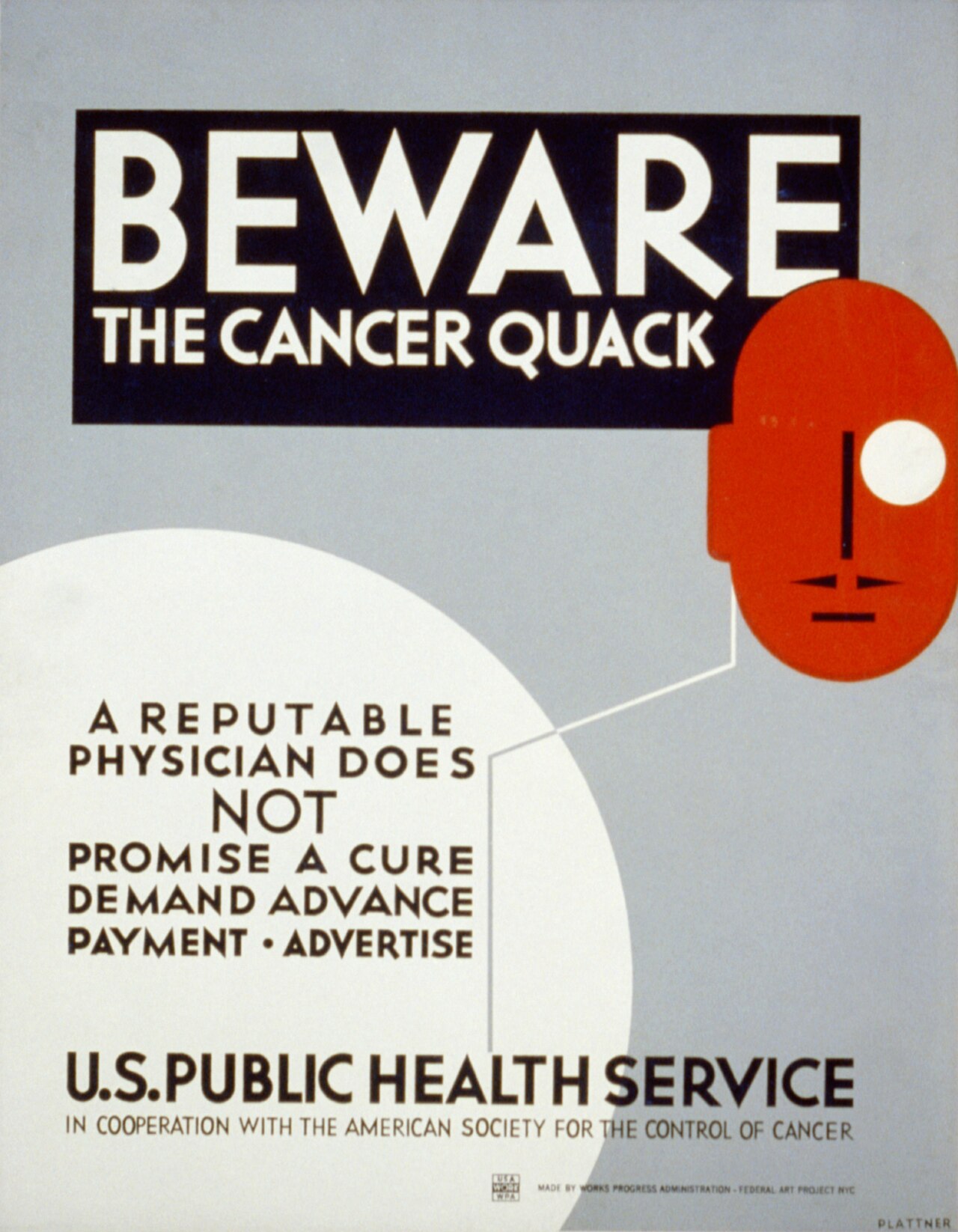
The dangers of quackery are very real, and can have serious consequences for those who fall victim to it. Quackery can lead to delayed diagnosis and inadequate treatment of serious medical conditions, and can also result in financial exploitation and emotional trauma. Furthermore, quackery can undermine trust in the medical profession and the scientific method, leading to a lack of confidence in evidence-based medicine. It is essential to be aware of the warning signs of quackery, such as unrealistic claims and lack of transparency, in order to protect oneself and others from its dangers.
👮♂️ Regulating Quackery
Regulating quackery is a complex task, as it often involves navigating a gray area between free speech and consumer protection. Governments and regulatory agencies must balance the need to protect consumers from false and misleading claims with the need to allow for freedom of expression and innovation in the field of medicine. One approach to regulating quackery is to require evidence-based medicine and clinical trials to support the claims made by alternative medicine practitioners.
📚 The Science Behind Quackery
The science behind quackery is often pseudoscientific, and is frequently used to convince people of the effectiveness of various alternative medicine practices. However, a closer examination of the evidence often reveals a lack of scientific evidence to support these claims. It is essential to approach claims of miracle cures and breakthroughs with a healthy dose of skepticism, and to consult with qualified healthcare professionals before making any decisions about one's health.
👥 The Psychology of Quackery
The psychology of quackery is complex, and involves a range of factors such as cognitive bias, emotional appeal, and social influence. Quacks often use manipulation and coercion to convince people to buy their products or services, and may also use fear-mongering and scare tactics to create a sense of urgency. It is essential to be aware of these tactics, and to approach claims with a critical and nuanced perspective.
💔 The Victims of Quackery
The victims of quackery are often the most vulnerable members of society, including the elderly, the poor, and those with chronic illnesses. These individuals may be more susceptible to false hope and misinformation, and may be less likely to have access to reliable information and quality healthcare. It is essential to provide support and resources to these individuals, and to work to prevent quackery from occurring in the first place.
🚨 The Warning Signs of Quackery
The warning signs of quackery are often subtle, but can include unrealistic claims, lack of transparency, and unqualified practitioners. It is essential to be aware of these warning signs, and to approach claims with a healthy dose of skepticism. Additionally, it is essential to consult with qualified healthcare professionals before making any decisions about one's health, and to be cautious of unsolicited advice or pressure tactics.
👍 The Importance of Critical Thinking
The importance of critical thinking in preventing quackery cannot be overstated. Critical thinking involves analyzing evidence, evaluating claims, and making informed decisions. It is essential to approach claims with a nuanced and critical perspective, and to be aware of the potential for bias and manipulation. By promoting critical thinking and media literacy, we can work to prevent quackery and promote a culture of evidence-based medicine.
🤝 The Role of Healthcare Professionals
The role of healthcare professionals in preventing quackery is crucial. Healthcare professionals have a responsibility to provide accurate information and reliable advice to their patients, and to be aware of the potential for quackery. They can also play a key role in educating patients about the warning signs of quackery, and in promoting critical thinking and media literacy. By working together, we can promote a culture of evidence-based medicine and prevent quackery from occurring.
🌎 The Global Impact of Quackery
The global impact of quackery is significant, and can have serious consequences for individuals and communities around the world. Quackery can lead to delayed diagnosis and inadequate treatment of serious medical conditions, and can also result in financial exploitation and emotional trauma. Furthermore, quackery can undermine trust in the medical profession and the scientific method, leading to a lack of confidence in evidence-based medicine. It is essential to address the global impact of quackery, and to work to prevent it from occurring in the first place.
Key Facts
- Year
- 1611
- Origin
- Europe
- Category
- Health and Wellness
- Type
- Concept
Frequently Asked Questions
What is quackery?
Quackery is the promotion of fraudulent or ignorant medical practices. It involves the use of pseudoscientific language and false advertising claims to convince people of the effectiveness of various alternative medicine practices. Quackery can have serious consequences for individuals and communities, and can lead to delayed diagnosis and inadequate treatment of serious medical conditions.
How can I protect myself from quackery?
To protect yourself from quackery, it is essential to approach claims with a healthy dose of skepticism, and to consult with qualified healthcare professionals before making any decisions about your health. You should also be aware of the warning signs of quackery, such as unrealistic claims and lack of transparency. Additionally, it is essential to promote critical thinking and media literacy, and to support evidence-based medicine.
What is the role of healthcare professionals in preventing quackery?
Healthcare professionals have a responsibility to provide accurate information and reliable advice to their patients, and to be aware of the potential for quackery. They can also play a key role in educating patients about the warning signs of quackery, and in promoting critical thinking and media literacy. By working together, we can promote a culture of evidence-based medicine and prevent quackery from occurring.
What is the global impact of quackery?
The global impact of quackery is significant, and can have serious consequences for individuals and communities around the world. Quackery can lead to delayed diagnosis and inadequate treatment of serious medical conditions, and can also result in financial exploitation and emotional trauma. Furthermore, quackery can undermine trust in the medical profession and the scientific method, leading to a lack of confidence in evidence-based medicine.
How can we address the global impact of quackery?
To address the global impact of quackery, it is essential to promote critical thinking and media literacy, and to support evidence-based medicine. We must also work to prevent quackery from occurring in the first place, by regulating the dietary supplement industry and holding healthcare professionals accountable for their actions. Additionally, we must provide support and resources to the victims of quackery, and work to rebuild trust in the medical profession and the scientific method.