
Contents
Overview
The land now known as Regent's Park entered Crown possession following the Dissolution of the Monasteries in the 1500s, initially serving as a hunting ground and for tenant farming. The park's transformation into a grand pleasure garden began in the 1810s, championed by the Prince Regent, later George IV. Architect John Nash was commissioned to design the park and its surrounding terraces, with significant construction undertaken by James Burton. Burton financed much of the development privately after the Crown Estate reneged on its financial commitment, leading to the creation of elegant stuccoed terraces like The Crescent and Park Square. The park's construction was a monumental undertaking, completed over several decades and setting a precedent for urban park design in London.
⚙️ Design & Features
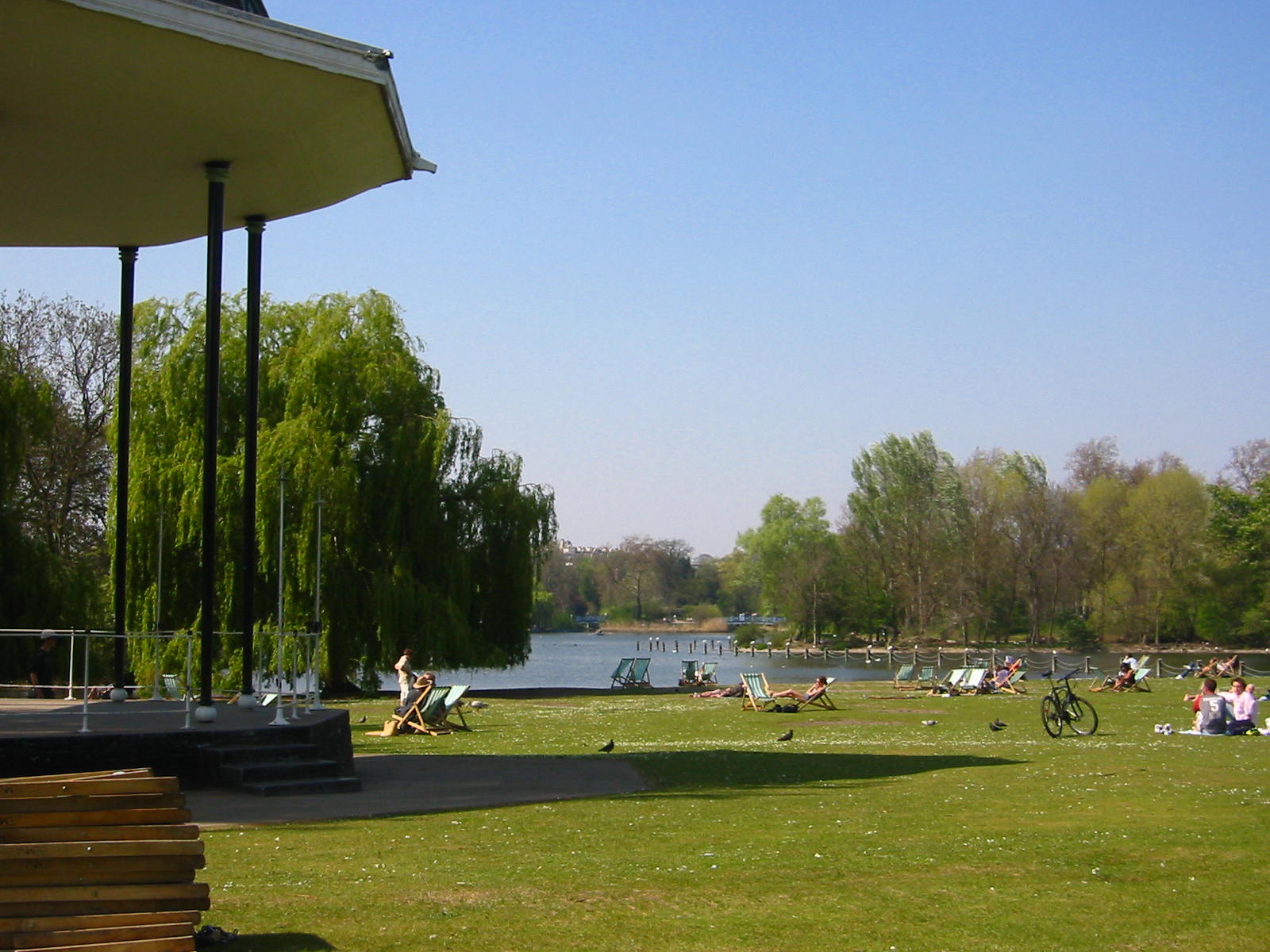
Regent's Park is characterized by its formal design, a hallmark of Georgian and Regency planning. Nash's vision included a large central area of parkland, an ornamental lake, and a perimeter drive, all framed by imposing residential terraces. Key features include the Boating Lake, the Primrose Hill offering panoramic city views, and the Regent's Canal which borders its northern edge. The park's layout facilitates both grand public promenades and intimate private gardens, a duality that has persisted since its inception. The Open Air Theatre adds a significant cultural venue within the park's verdant expanse.
📊 Key Facts & Numbers
Regent's Park spans 170 hectares (410 acres) and hosts approximately 100,000 trees and is home to over 200 species of birds. The park's annual visitor numbers often exceed 5 million, making it a crucial recreational space for Londoners and tourists alike. The London Zoo, located within its grounds, houses over 19,000 animals. The park's periphery features 34 Grade I listed buildings, primarily Nash's terraces, underscoring its architectural significance. The cost of its initial development in the early 19th century was substantial, with James Burton investing heavily in its construction.
👥 Key People & Organizations
The park's creation is inextricably linked to John Nash, the visionary architect who conceived its grand design. George IV, as Prince Regent, was the driving force behind its establishment as a fashionable pleasure garden. James Burton, a prominent builder, played a critical role by financing much of the peripheral development, including the elegant stuccoed terraces. The Royal Parks Foundation (now The Royal Parks Charity) is the modern custodian, overseeing its maintenance and conservation. London Zoo's presence is also a major organizational feature, managed by the Zoological Society of London.
🌍 Cultural Impact & Influence
Regent's Park has profoundly influenced urban park design and the concept of the 'pleasure garden' in London. Its integration of grand residential architecture with public green space became a model for subsequent developments. The park has been a backdrop for countless films, literary works, and artistic endeavors, cementing its place in the cultural consciousness. The annual London in Bloom competition often highlights the park's horticultural excellence. Its role as a setting for sporting events, from polo matches in the early days to modern-day athletics, further underscores its multifaceted cultural significance.
⚡ Current State & Latest Developments
In 2024, Regent's Park continues to be a meticulously managed public space, balancing conservation efforts with visitor access. Ongoing projects focus on enhancing biodiversity, improving sustainability, and maintaining its historic structures. The Open Air Theatre remains a popular summer destination, and London Zoo continues its conservation and educational work. The park's management by The Royal Parks Charity ensures its preservation for future generations, with particular attention paid to the upkeep of Nash's terraces and the ecological health of the park's lake and gardens. Recent initiatives have focused on increasing accessibility and engaging diverse communities through programming.
🤔 Controversies & Debates
One persistent debate surrounding Regent's Park revolves around the balance between public access and the preservation of its aristocratic heritage. The presence of exclusive sports clubs, such as the Marylebone Cricket Club (though not directly in the park, its influence is felt in the sporting heritage), and the high cost of renting space for events, raise questions about inclusivity. Furthermore, the ongoing maintenance and restoration of the Grade I listed terraces, designed by John Nash, present significant financial challenges and require careful planning to respect their historical integrity while accommodating modern needs. The management of London Zoo's expansion and its impact on the park's ecosystem also occasionally sparks discussion.
🔮 Future Outlook & Predictions
The future of Regent's Park likely involves a continued emphasis on ecological sustainability and community engagement. As London's urban density increases, the park's role as a vital green lung will become even more critical. Innovations in landscape management, such as advanced water conservation techniques and native planting strategies, are expected to be implemented. The park may also see further integration of technology for visitor information and park management. Discussions are ongoing regarding the potential for new cultural installations and educational programs that can further enhance its appeal while respecting its historical context, potentially drawing inspiration from successful models at Hyde Park and St. James's Park.
💡 Practical Applications
Regent's Park serves multiple practical functions beyond recreation. It acts as a significant urban wildlife habitat, supporting a diverse range of flora and fauna. The Boating Lake and sports fields provide venues for organized activities and casual leisure. The park's infrastructure, including its pathways and open spaces, is utilized for large-scale public events, charity runs, and festivals. Furthermore, the surrounding Nash terraces offer prime residential and office space, contributing to the economic vitality of the City of Westminster. The Regent's Canal provides a scenic route for walkers and cyclists, connecting it to other parts of London's waterway network.
Key Facts
- Category
- place
- Type
- place