
Contents
- 🎵 Origins & Rise to Power
- ⚙️ The Pahlavi State: Modernization and Control
- 📊 Key Facts & Numbers
- 👥 Key Figures & Dynastic Ties
- 🌍 Cultural Impact & Influence
- ⚡ Abdication and Exile
- 🤔 Controversies & Criticisms
- 🔮 Legacy and Historical Debate
- 💡 Modernization Initiatives
- 📚 Related Topics & Deeper Reading
- References
Overview
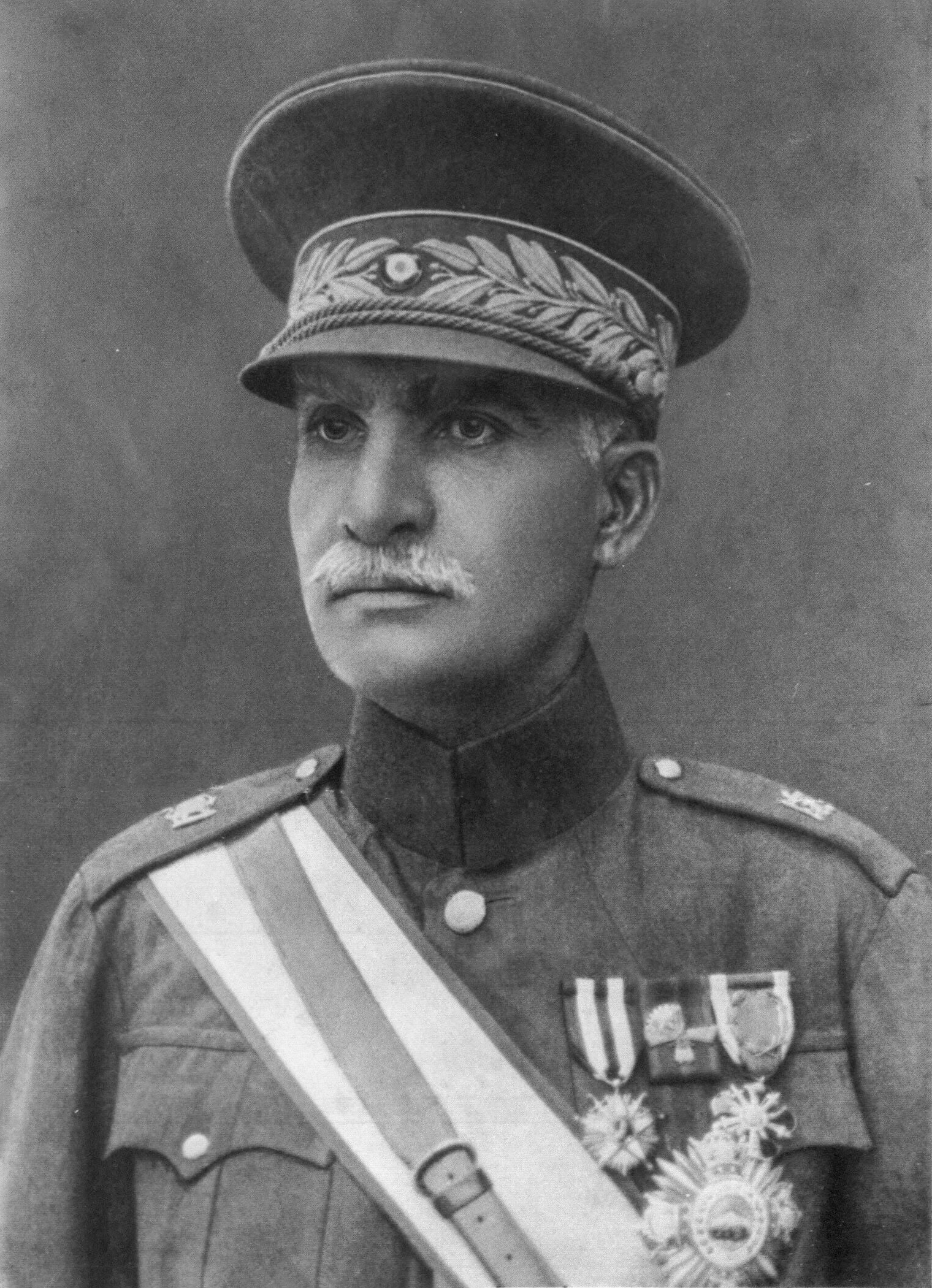
Reza Shah Pahlavi was the transformative Shah of Iran and the founder of the Pahlavi dynasty. Rising from humble military origins within the Persian Cossack Brigade, he seized power in a coup, eventually deposing the Qajar monarch and establishing himself as ruler. His reign was marked by ambitious modernization efforts, including secularization, infrastructure development, and the establishment of a national education system, all aimed at forging a strong, independent Iran. Despite his authoritarian methods and the controversial suppression of dissent, Reza Shah laid the groundwork for modern Iran. His reign was abruptly ended when Allied forces occupied Iran during World War II, forcing his abdication and exile, where he died in Johannesburg. His legacy remains a complex tapestry of national pride and authoritarian critique.
🎵 Origins & Rise to Power
Reza Khan, later Reza Shah, was born in the village of Alasht, Mazandaran province. His early life was steeped in military service, joining the Persian Cossack Brigade at the tender age of 14. This elite, Russian-trained unit became his crucible, where he rapidly ascended the ranks, demonstrating a formidable will and strategic acumen. By 1921, he was a brigadier-general and, leveraging his command of the Qazvin-based brigade, marched on Tehran, effectively orchestrating a coup d'état. Reza Khan assumed the critical roles of Commander-in-Chief and Minister of War, consolidating his grip on the nation's armed forces.
⚙️ The Pahlavi State: Modernization and Control
Reza Shah's reign was characterized by a relentless drive to centralize power and modernize Iran, often through authoritarian means. He initiated sweeping reforms, including the establishment of a national education system, the construction of the Trans-Iranian Railway, and the secularization of the legal system, aiming to dismantle clerical influence. The unveiling of women in 1936, a symbolic act against traditional Islamic dress codes, exemplified his push for Westernization and social reform, though it was met with resistance from conservative elements.
📊 Key Facts & Numbers
Reza Shah ruled over a nation undergoing profound transformation. Iran's industrial output increased significantly by 1939, with the establishment of factories for textiles, sugar, and cement. The Trans-Iranian Railway, a monumental engineering feat completed in 1938, spanned over 1,300 kilometers, connecting the Caspian Sea to the Persian Gulf and costing approximately $150 million (equivalent to billions today). His government also implemented a national conscription system, building an army of over 100,000 men by the late 1930s. Furthermore, his administration introduced a new civil code, replacing religious law in many spheres, and established the University of Tehran in 1934, a cornerstone of his educational reforms.
👥 Key Figures & Dynastic Ties
Reza Shah's personal life was as complex as his political career. He was married four times, notably to Tadj ol-Molouk of Iran, who became his queen and bore him his successor, Mohammad Reza Pahlavi. His other wives included Mariam Savadkukhi, Turan Amirsoleimani, and Esmat Dowlatshahi, with whom he had numerous children, including Princess Ashraf Pahlavi and Prince Abdul Reza Pahlavi. His father was Abbas Ali Khan, and his mother was Noush-Afarin. His son, Mohammad Reza Pahlavi, would go on to become the last Shah of Iran, continuing the Pahlavi dynasty until the Iranian Revolution.
🌍 Cultural Impact & Influence
The Pahlavi era, spearheaded by Reza Shah, left an indelible mark on Iranian culture and identity. His emphasis on a pre-Islamic Persian heritage, often termed 'Aryanism,' sought to forge a national narrative distinct from its Islamic past and Arab neighbors. This cultural revival was promoted through state-sponsored media, archaeological expeditions, and the renaming of streets and institutions. The iconic Azadi Stadium, though built later, stands as a testament to the grand national projects initiated during his time. His modernization efforts, while top-down, fundamentally altered the social fabric, introducing Western legal and educational systems that continue to shape Iran today, even amidst ongoing debates about their appropriateness and impact.
⚡ Abdication and Exile
Reza Shah's reign was dramatically curtailed in August 1941. As World War II raged, the Allied powers, particularly Britain and the Soviet Union, concerned about Iran's potential alignment with Nazi Germany and its vital oil resources, occupied the country. Under immense pressure, Reza Shah was compelled to abdicate in favor of his son, Mohammad Reza Pahlavi, on September 16, 1941. He was subsequently exiled, first to Mauritius and then to Johannesburg, South Africa, where he died on July 26, 1944, never to see his homeland again. His forced departure marked a pivotal moment, shifting the reins of power to his young son amidst a nation under foreign occupation.
🤔 Controversies & Criticisms
Reza Shah's rule was not without significant controversy. His authoritarian methods, including the suppression of political opposition, the censorship of the press, and the forceful implementation of social reforms like the unveiling of women, drew considerable criticism. The confiscation of vast landholdings from religious institutions and tribal leaders to fund his modernization projects generated resentment. Furthermore, his perceived pro-German leanings prior to the Allied invasion fueled suspicion and ultimately contributed to his downfall. Critics point to the lack of genuine democratic participation during his tenure and the creation of a powerful, centralized state apparatus that stifled dissent.
🔮 Legacy and Historical Debate
The historical assessment of Reza Shah Pahlavi remains a subject of intense debate. Supporters laud him as the architect of modern Iran, crediting him with forging a unified nation, establishing essential infrastructure, and asserting Iran's sovereignty on the international stage. They highlight his role in laying the foundations for secular education and a modern economy. Conversely, critics emphasize his dictatorial tendencies, the human rights abuses under his regime, and the alienation of religious segments of society. His legacy is thus a complex duality: a national hero who modernized Iran, and a strongman whose methods sowed seeds of future discontent, ultimately contributing to the conditions that led to the Iranian Revolution decades later.
💡 Modernization Initiatives
Reza Shah's modernization agenda was comprehensive and far-reaching. His government invested heavily in infrastructure, including roads, bridges, and dams, alongside the aforementioned Trans-Iranian Railway. He also championed secular education, founding the University of Tehran in 1934, which became a hub for intellectual and scientific advancement. Furthermore, his administration reformed the legal system, introducing a codified civil law based on European models, and promoted industrialization through the establishment of state-owned factories.
Key Facts
- Category
- history
- Type
- person