
Contents
- 📍 Ryde: A Coastal Gateway
- 🏛️ Historical Echoes & Architectural Charm
- 🏖️ Beaches & Tidal Wonders
- 🚢 The Iconic Ryde Pier
- 🚶 Exploring the Town Centre
- 🍽️ Local Flavors & Dining
- 🚗 Getting Around Ryde
- ⭐ Visitor Feedback & Vibe Score
- 💡 Practical Tips for Your Visit
- 📞 Contact & Further Information
- Frequently Asked Questions
- Related Topics
Overview
Ryde, nestled on the northeastern coast of the Isle of Wight, isn't just a seaside town; it's a living archive of Victorian ambition and a contemporary nexus for island life. Its defining feature, the Ryde Pier, stretching over half a mile into the Solent, stands as the world's oldest surviving pier and a testament to 19th-century engineering prowess, built to bridge the gap between low tide and mainland ferry services. Beyond its historic infrastructure, Ryde boasts expansive sandy beaches, a bustling town center with independent shops and eateries, and a vibrant cultural scene that belies its relatively small size. It serves as a crucial transport link, connecting the island to Portsmouth and Southsea via catamaran and hovercraft, making it the primary entry point for many visitors. Yet, beneath the postcard-perfect facade, Ryde grapples with the perennial challenges of a seasonal economy and the delicate balance between preserving its heritage and fostering modern development. It's a place where the echoes of paddle steamers meet the hum of electric bikes, a fascinating blend of past and present.
📍 Ryde: A Coastal Gateway
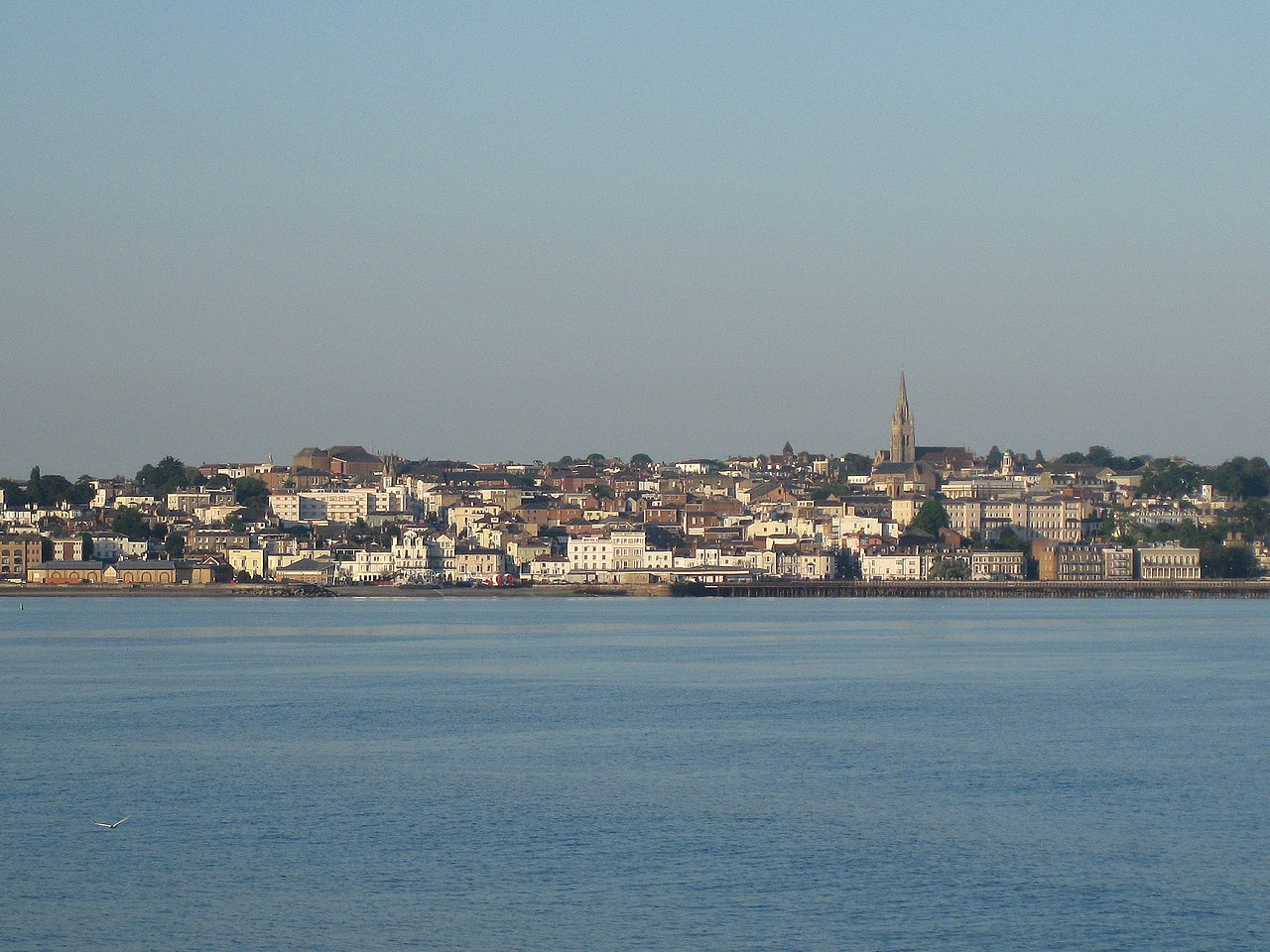
Ryde, situated on the Isle of Wight's northeast coast, serves as a primary gateway to the island, particularly for those arriving by sea. This bustling seaside town and civil parish, home to over 24,000 residents as of the 2021 Census, offers a blend of historical significance and modern resort amenities. Its strategic location makes it a focal point for tourism on the Isle of Wight, with a vibrant atmosphere that draws visitors year-round, especially during the warmer months when its coastal attractions are at their peak.
🏛️ Historical Echoes & Architectural Charm
The town's character is deeply rooted in its 19th-century transformation from two distinct villages, Upper and Lower Ryde, into a unified seaside resort. This historical evolution is visibly etched into its architecture, particularly along the central streets and the seafront. You'll find a fascinating mix of Victorian and Edwardian buildings that speak to its past as a fashionable destination, offering a tangible connection to the era when seaside resorts first boomed in popularity across the UK.
🏖️ Beaches & Tidal Wonders
Ryde's coastline is defined by its expansive sandy beaches, which dramatically reveal their width at low tide. These shores are a major draw, providing ample space for sunbathing, walking, and various beach activities. The receding waters create a unique, almost otherworldly landscape, offering a different perspective on the town and its connection to the Solent. It's a place where the rhythm of the tides dictates the available space for recreation.
🚢 The Iconic Ryde Pier
Dominating the waterfront is the Ryde Pier, a structure of significant historical and practical importance. As the fourth longest pier in the United Kingdom and the oldest surviving of its kind, it's more than just a landing stage. It's a landmark, a promenade, and a vital transport link, facilitating the regular ferry services that connect the Isle of Wight to the mainland, most notably to Portsmouth. Walking its length offers panoramic views of the Solent and the approaching ferries.
🚶 Exploring the Town Centre
Beyond the pier and beaches, Ryde's town centre invites exploration. Its high street is lined with a variety of shops, from independent boutiques to familiar high-street brands, catering to both locals and tourists. You'll also discover charming cafes, pubs, and restaurants tucked away in its streets. The town's layout reflects its Victorian development, with a grid-like pattern in some areas and more winding streets in others, rewarding those who wander.
🍽️ Local Flavors & Dining
The culinary scene in Ryde offers a taste of the island's bounty. Expect to find establishments serving fresh seafood, often caught locally, alongside traditional pub fare and international cuisine. From casual cafes perfect for a coffee and cake to more formal dining rooms, there are options to suit every palate and budget. Many venues offer views of the sea, enhancing the dining experience with the coastal ambiance that defines dining on the Isle of Wight.
🚗 Getting Around Ryde
Navigating Ryde is straightforward, especially once you arrive via the ferry terminal at the base of the pier. The town centre is largely walkable, with most attractions, shops, and eateries within easy reach. For exploring further afield on the Isle of Wight, local bus services connect Ryde to other towns and villages, and car hire options are available for those seeking greater independence.
⭐ Visitor Feedback & Vibe Score
Visitors generally praise Ryde for its convenient transport links and its classic seaside charm. The pier is frequently highlighted as a unique feature, and the expansive beaches are a consistent draw. Some feedback notes that the town can feel quieter outside of peak season, a common characteristic of many British seaside resorts. The overall Vibe Score for Ryde typically hovers around 70-75, reflecting its solid appeal as a functional and pleasant coastal destination.
💡 Practical Tips for Your Visit
When planning your visit to Ryde, consider checking ferry schedules in advance, especially if traveling during busy periods. Low tide offers the best opportunity to experience the full expanse of the beaches, but be mindful of the time to avoid being cut off by the incoming tide. Comfortable walking shoes are recommended for exploring the town and the length of the pier. Don't forget your camera to capture the distinctive architecture and sea views.
📞 Contact & Further Information
For specific inquiries regarding ferry services, accommodation, or local events, the official Visit Isle of Wight is an excellent resource. The Ryde Town Council website may also provide local administrative information. Direct contact with ferry operators like Wightlink is recommended for travel bookings. For general tourist information, the local tourist information centre, often located near the ferry terminal, can offer personalized assistance.
Key Facts
- Year
- Founded c. 12th Century (modern development from 1800s)
- Origin
- Isle of Wight, England
- Category
- Town & Port
- Type
- Geographical Location
Frequently Asked Questions
What is Ryde best known for?
Ryde is primarily known as a major arrival point for the Isle of Wight, thanks to its regular ferry services connecting to the mainland. Its long, historic pier and expansive sandy beaches revealed at low tide are also significant attractions that define its character as a classic seaside town.
How do I get to Ryde?
The most common way to reach Ryde is by ferry. Wightlink operates regular services from Portsmouth to Ryde Pier Head. This ferry service is designed for foot passengers and vehicles, making it a convenient entry point to the island.
What are the main attractions in Ryde?
Key attractions include the Ryde Pier itself, the town's sandy beaches, the Victorian architecture, and the bustling town centre with its shops and eateries. The proximity to the ferry terminal also makes it a convenient base for exploring the wider Isle of Wight.
Is Ryde a good place for families?
Yes, Ryde is generally considered family-friendly. The wide, sandy beaches offer plenty of space for children to play, and the town has amenities like arcades and ice cream parlors typical of a seaside resort. The ease of access via ferry also simplifies travel with children.
When is the best time to visit Ryde?
The summer months (June to August) offer the warmest weather and the most vibrant atmosphere, ideal for enjoying the beaches and outdoor activities. However, spring and autumn can be pleasant for quieter exploration, with fewer crowds and still accessible attractions.
Can I walk around Ryde easily?
Ryde town centre is quite walkable, with most shops, cafes, and restaurants located within a compact area. The pier is also a pleasant walk. For destinations further afield on the Isle of Wight, local bus services are available.