
Contents
Overview
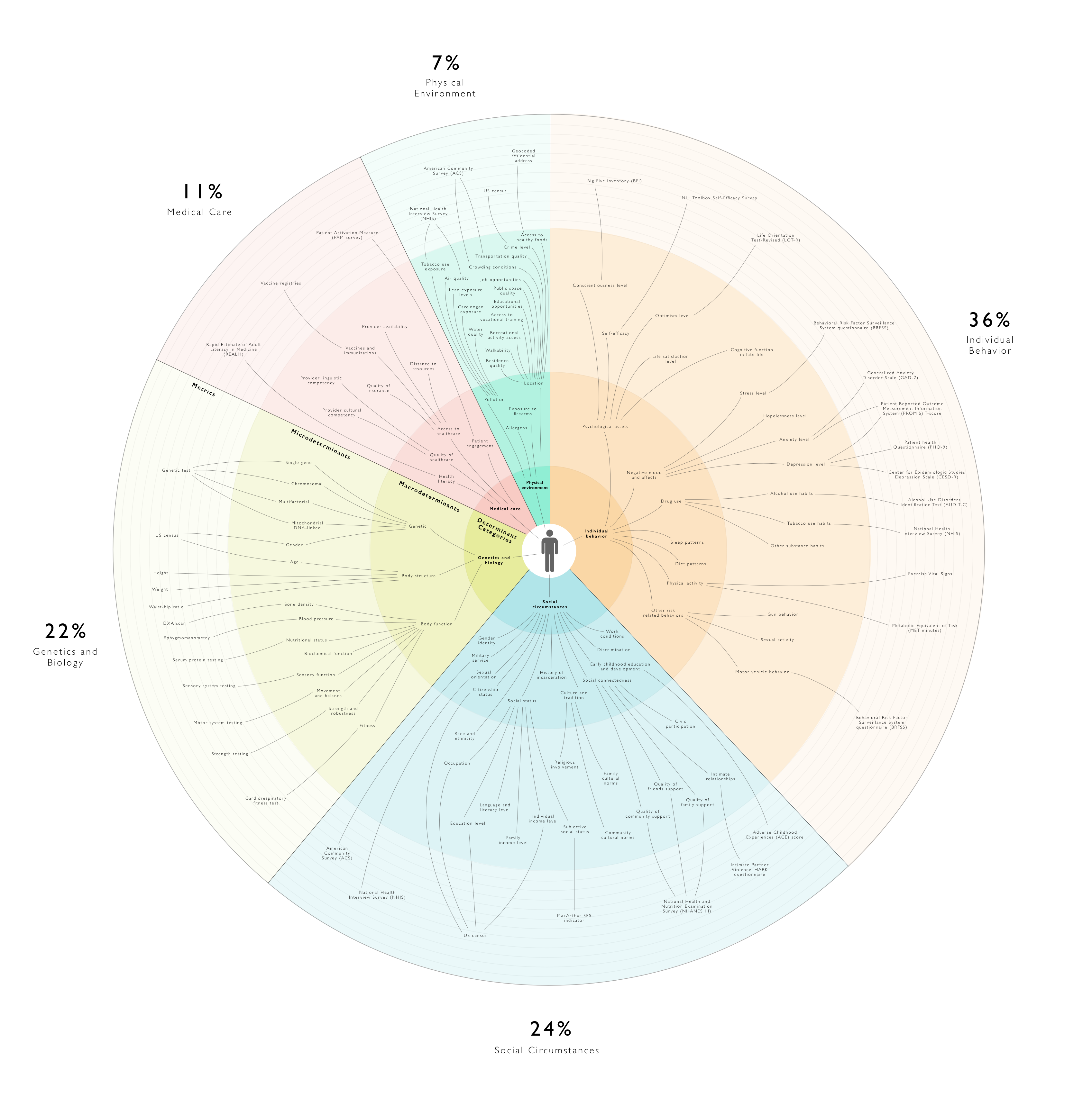
Social determinants of violence (SDOV) are the non-medical factors that influence the conditions in which people live, learn, work, and play, and that ultimately shape their propensity for aggression and conflict. These determinants extend beyond individual psychology to encompass the broader societal structures and environmental conditions that foster or mitigate violence. Key areas include economic instability, educational disparities, social and community fragmentation, systemic discrimination based on race and gender, limited access to resources, and the physical environment. Understanding SDOV is crucial for developing effective, upstream interventions that address the root causes of violence, rather than solely focusing on reactive measures. The concept draws heavily from the established framework of social determinants of health, adapting its principles to the specific context of interpersonal and societal violence.
🎵 Origins & History
The concept of social determinants of violence (SDOV) emerged as an extension of the well-established field of social determinants of health (SDOH). Researchers like David Farrington and Robert Sampson laid groundwork by examining the ecological and social factors contributing to crime and delinquency. The formal articulation of SDOV as a distinct analytical framework, however, is more recent. This evolution reflects a growing recognition that violence is not merely an individual pathology but a complex societal outcome.
⚙️ How It Works
SDOV operates by identifying and analyzing the systemic conditions that create environments conducive to violence. For instance, widespread poverty and lack of economic opportunity can breed desperation and social unrest, increasing the likelihood of property crime and interpersonal conflict. Similarly, educational deficits can limit life chances, leading to frustration and a greater susceptibility to involvement in violent activities. The erosion of social cohesion, often exacerbated by rapid urbanization or displacement, can weaken community bonds and informal social controls, creating fertile ground for violence to flourish. These factors interact in complex ways, creating a web of influence that shapes individual behavior and community safety.
📊 Key Facts & Numbers
Access to quality education is a powerful protective factor. Individuals with lower educational attainment are statistically more likely to be both perpetrators and victims of violence. The United Nations estimates that nearly 90% of all homicides globally occur in low- and middle-income countries, underscoring the profound link between socioeconomic conditions and violence.
👥 Key People & Organizations
Key figures in shaping the understanding of SDOV include criminologists like Robert Sampson, whose work on collective efficacy in Chicago neighborhoods demonstrated how social cohesion can reduce crime. Public health advocates and organizations such as the World Health Organization have been instrumental in promoting the broader SDOH framework, which SDOV directly builds upon. Research institutions like the Johns Hopkins Bloomberg School of Public Health and the Harvard T.H. Chan School of Public Health are actively engaged in studying the links between social conditions and violence. Policy-oriented organizations like the CDC also play a crucial role in funding research and disseminating findings on violence prevention.
🌍 Cultural Impact & Influence
The influence of SDOV extends beyond academic circles, shaping public policy and community-based initiatives. By highlighting the structural roots of violence, it shifts the narrative from individual blame to societal responsibility. This has led to greater investment in programs that address poverty, improve educational access, and strengthen community infrastructure, such as community organizing efforts and urban planning initiatives designed to create safer public spaces. The concept has also informed international development agendas, with organizations like the UNDP recognizing that reducing violence is essential for achieving sustainable development goals. The cultural resonance lies in its empowering message: by changing societal conditions, we can fundamentally alter patterns of violence.
⚡ Current State & Latest Developments
Current research on SDOV is increasingly focused on the intersectionality of various determinants, such as how race, poverty, and geographic location combine to create unique vulnerabilities to violence. There's a growing emphasis on longitudinal studies to better understand causal pathways and the long-term impacts of interventions. The COVID-19 pandemic has also brought renewed attention to SDOV, as disruptions to economic stability, education, and social support systems have been linked to shifts in violence patterns, including increases in domestic violence and youth violence in some areas. The CDC has continued to fund research into community violence intervention programs, recognizing their potential to address SDOV.
🤔 Controversies & Debates
A significant debate surrounds the relative importance of different social determinants. While factors like poverty and lack of education are widely acknowledged, the precise weighting and interplay between them remain subjects of discussion. Some argue that systemic racism and historical injustices are the most fundamental drivers of violence in many societies, while others emphasize the immediate impact of economic deprivation. There's also contention over the extent to which interventions targeting SDOV can effectively reduce violence compared to more direct law enforcement or punitive measures. Critics sometimes argue that focusing too heavily on social determinants can distract from the need for accountability for individual violent acts.
🔮 Future Outlook & Predictions
The future outlook for SDOV suggests a continued integration into public health and policy frameworks. We can anticipate more sophisticated data analysis, potentially leveraging AI and machine learning, to identify high-risk communities and predict violence trends based on socioeconomic indicators. There's a growing push for upstream, preventative policies that address SDOV before violence occurs, rather than solely relying on reactive measures. This could lead to increased investment in affordable housing, universal basic income pilots, and expanded access to mental health services, all of which are recognized SDOV. The challenge will be translating this understanding into sustained political will and resource allocation.
💡 Practical Applications
Practical applications of SDOV are diverse and span multiple sectors. In urban planning, this means designing neighborhoods with ample green spaces, accessible public transportation, and community centers to foster social connection and reduce opportunities for crime. In education, it involves implementing early childhood education programs and ensuring equitable access to quality schooling. Economically, it translates to policies aimed at reducing poverty and income inequality, such as job training programs and livable wage initiatives. Public health initiatives increasingly incorporate violence prevention strategies that address SDOV, working with community organizations to build resilience and reduce risk factors. For example, community violence intervention programs often target SDOV by providing mentorship and support to at-risk youth.
Key Facts
- Category
- philosophy
- Type
- concept