
Contents
Overview
The tradition of Suhur dates back to the time of the Prophet Muhammad, who emphasized the importance of taking this meal before fasting. As mentioned in Sahih al-Bukhari, the Prophet said, 'take suhur, as there is a blessing in it.' This blessing is believed to provide strength and energy throughout the day, helping individuals to fast with ease and avoid feelings of weakness and crankiness. Muslims around the world, including those in Iran and Egypt, follow this tradition, often gathering with family and friends to share a meal before the Fajr prayer.
🍴 How It Works
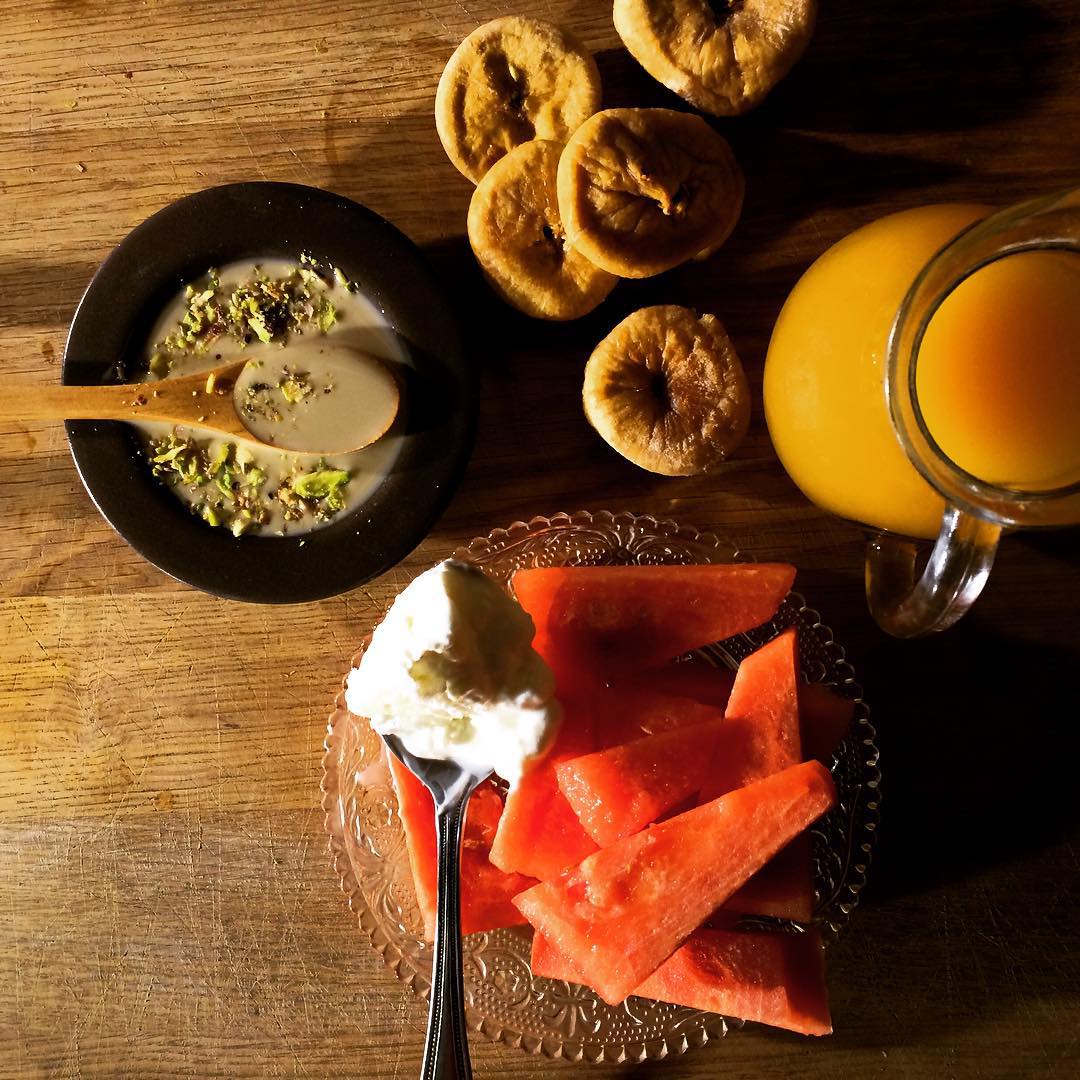
Suhur is typically eaten in the early hours of the morning, before the Fajr prayer, which marks the beginning of the daily fast. The meal can vary depending on the region and cultural traditions, but it often includes dates, fruits, and other light foods that are easy to digest. In some places, such as Turkey and India, Suhur is also known as Sahari or Sehri, and is an important part of the Ramadan celebrations, with many people gathering at mosques or community centers to share a meal and pray together, often using Islamic calendar to plan their festivities.
🌍 Cultural Impact
The cultural impact of Suhur is significant, as it brings people together and provides a sense of community and solidarity during the month of Ramadan. In many Muslim-majority countries, such as Indonesia and Pakistan, Suhur is a time for family and friends to come together and share a meal, often with traditional foods and drinks, such as dates and rose water. The meal is also seen as a way to prepare for the day ahead, providing energy and nourishment for the fast, and is often accompanied by recitation of the Quran and other Islamic prayers.
🔮 Legacy & Future
The legacy of Suhur continues to be an important part of Islamic tradition, with many Muslims around the world observing this practice during the month of Ramadan. As the Islamic calendar, including Ramadan, continues to play a significant role in the lives of Muslims, the tradition of Suhur remains a vital part of the faith, providing a sense of connection to the past and to the global Muslim community, with many people using social media platforms like Twitter and Instagram to share their experiences and photos of Suhur.
Key Facts
- Year
- 632 CE
- Origin
- Arabian Peninsula
- Category
- culture
- Type
- concept
Frequently Asked Questions
What is the significance of Suhur in Ramadan?
Suhur is a pre-dawn meal that provides energy and nourishment for the day ahead, and is considered a blessing that helps individuals avoid weakness and crankiness caused by fasting, as noted by Anas ibn Malik and documented in Sahih al-Bukhari.
What is typically eaten during Suhur?
The meal can vary depending on the region and cultural traditions, but it often includes dates, fruits, and other light foods that are easy to digest, such as those found in Middle Eastern cuisine and South Asian cuisine.
Why is Suhur important in Islamic tradition?
Suhur is considered an important part of Islamic tradition, as it provides a sense of community and solidarity during the month of Ramadan, and is seen as a way to prepare for the day ahead, with many people using Islamic calendar to plan their festivities.
How does Suhur relate to the Islamic calendar?
Suhur is an important part of the Islamic calendar, as it marks the beginning of the daily fast during the month of Ramadan, and is often accompanied by recitation of the Quran and other Islamic prayers, with many people using social media platforms like Twitter and Instagram to share their experiences and photos of Suhur.
What is the cultural impact of Suhur?
The cultural impact of Suhur is significant, as it brings people together and provides a sense of community and solidarity during the month of Ramadan, with many people gathering at mosques or community centers to share a meal and pray together, often using Islamic calendar to plan their festivities, and sharing their experiences on YouTube and other social media platforms.