
Contents
Overview
The genesis of the Sunset Strip as a cultural hotbed can be traced back to the early 20th century, long before it was officially incorporated into West Hollywood. Initially a dusty stretch of Sunset Boulevard outside the purview of Los Angeles's strict Prohibition-era laws, it quickly became a haven for speakeasies and gambling dens. By the 1940s and 50s, it began its transformation into a nightlife destination with the opening of establishments like the Mocambo and Ciro's, attracting Hollywood's elite. The Strip's true identity was forged in the 1960s and 70s, when it became the undisputed epicenter of rock 'n' roll. Venues like the Whisky a Go Go, The Roxy Theatre, and The Troubadour served as launching pads for legendary bands, solidifying its reputation as a crucible of musical innovation and counterculture.
⚙️ The Strip's Anatomy
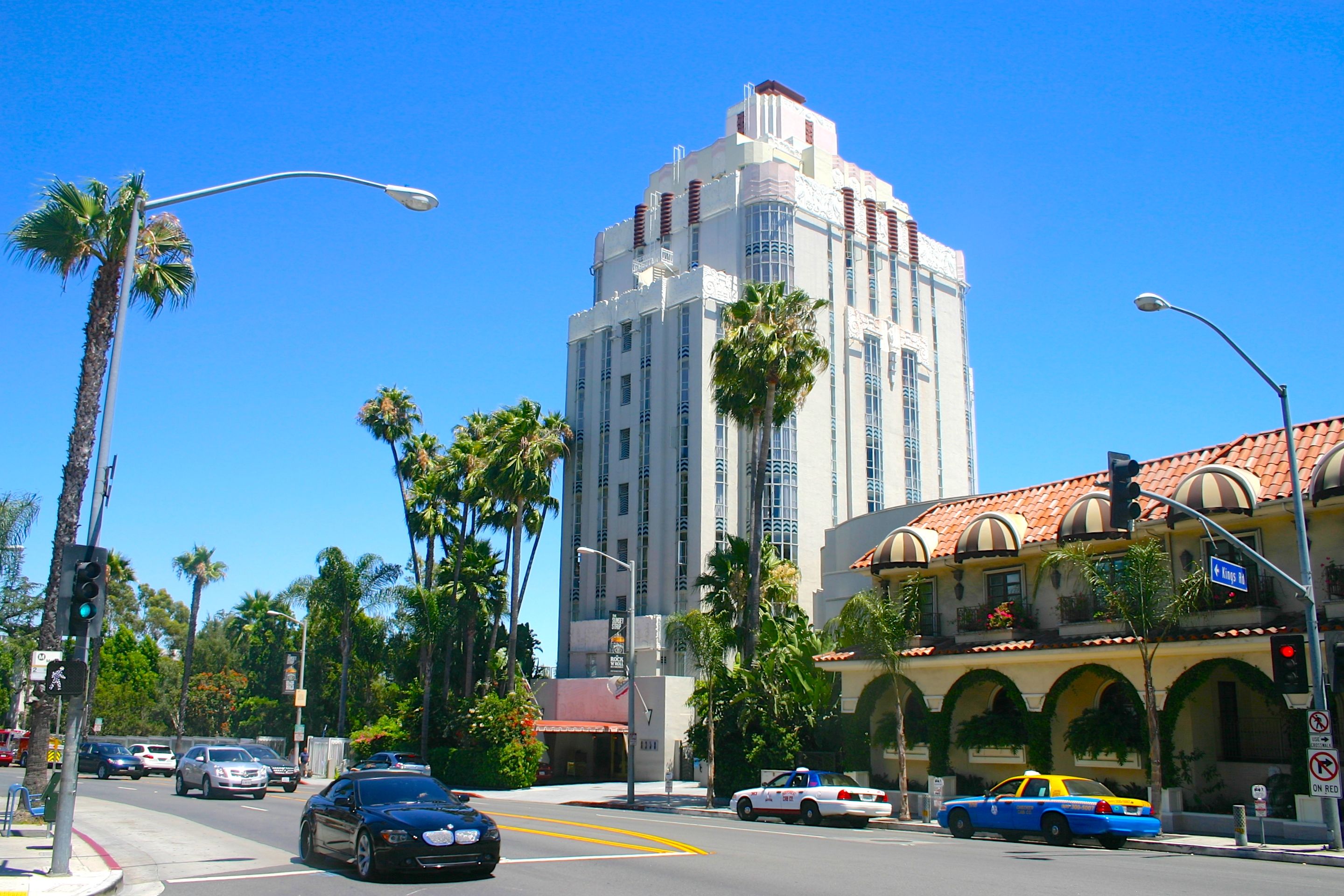
The Sunset Strip's physical form is as iconic as its reputation. Spanning precisely 1.7 miles (2.7 km), it begins at the eastern edge of West Hollywood, near Marmont Lane, and extends west to the border of Beverly Hills at Phyllis Street. This concentrated stretch is characterized by its dense concentration of entertainment venues, from historic music clubs and trendy restaurants to high-end boutiques and pulsating nightclubs. Towering above it all are the massive, illuminated billboards, a defining visual element that has advertised everything from Hollywood blockbusters to touring rock bands for decades. The architecture itself tells a story, a mix of art deco glamour, mid-century modernism, and contemporary designs, all vying for attention under the California sun and the glow of neon.
📊 Key Facts & Numbers
The 1.7-mile stretch of the Sunset Strip is a powerhouse of entertainment and commerce. It hosts an estimated 30-40 music venues and nightclubs, drawing an average of 20,000 to 30,000 visitors on peak nights, particularly weekends. The annual revenue generated by businesses along the Strip is estimated to be in the hundreds of millions of dollars, with a significant portion coming from ticket sales, food, and beverage. The iconic billboards alone can command rental fees upwards of $20,000 to $50,000 per month, contributing substantially to the area's visual and economic landscape. Over 500,000 people live within a 5-mile radius, forming a consistent local audience for the Strip's offerings.
👥 The Architects of the Vibe
The transformation of the Sunset Strip into a global entertainment mecca is indebted to a constellation of visionary individuals and organizations. Early pioneers like Sid Grauman, though more associated with Hollywood Boulevard, set a precedent for grand entertainment venues. In the rock era, promoters such as Lou Adler and Herb Alpert were instrumental in establishing The Roxy Theatre and A&M Records, respectively, shaping the musical landscape. Club owners like Elmer Valentine, who founded the Whisky a Go Go, and Mario Maglieri, a key figure at the Whisky a Go Go and The Roxy Theatre, were pivotal in creating the spaces where rock history was made. The City of West Hollywood plays a crucial role in managing and preserving the Strip's unique character through zoning and cultural initiatives.
🌍 Cultural Impact & Influence
The Sunset Strip's influence extends far beyond its physical borders, permeating global culture. It served as the backdrop for countless films, television shows, and music videos, cementing its image as the quintessential Los Angeles nightlife experience. The music that emerged from its clubs defined entire genres and influenced musicians worldwide. The fashion and attitudes cultivated on the Strip became aspirational for youth cultures globally. The very concept of a 'strip'—a concentrated area of entertainment and nightlife—has been emulated in cities across the world, from Las Vegas to parts of Asia. Its legacy is a testament to its role as a vibrant incubator of trends and a symbol of American pop culture.
⚡ Current State & Latest Developments
The Sunset Strip continues its evolution, balancing its historic legacy with contemporary demands. While some of the legendary music venues remain, there's a constant flux of new restaurants, bars, and retail spaces opening. The city of West Hollywood is actively engaged in revitalization projects aimed at enhancing pedestrian experience and public spaces, such as the Sunset TOD Project, which seeks to integrate transit-oriented development. The Strip remains a prime location for major events, including the annual LA Pride parade and festival, which draws hundreds of thousands of attendees. The ongoing development and the persistent allure of its iconic status ensure its continued relevance as a major entertainment destination.
🤔 Controversies & Debates
The Sunset Strip is not without its controversies and debates. One persistent issue is gentrification and the potential displacement of historic music venues by luxury developments. Critics argue that the increasing commercialization and focus on upscale establishments threaten the gritty, authentic rock 'n' roll spirit that defined the Strip. Another debate centers on the management of large crowds and the associated issues of noise, traffic, and public safety, particularly during major events. Furthermore, the constant battle for billboard space and the visual clutter it creates is a recurring point of contention among urban planners and residents who advocate for a more aesthetically cohesive streetscape.
🔮 Future Outlook & Predictions
The future of the Sunset Strip appears poised for continued adaptation. While the allure of its legendary status will undoubtedly persist, the Strip will likely see further integration of mixed-use developments, blending residential, retail, and entertainment spaces. The emphasis on pedestrian-friendly design and public transportation is expected to grow, aiming to alleviate traffic congestion and enhance the visitor experience. There's also a growing conversation around preserving its musical heritage while embracing new forms of entertainment, potentially leading to a more diverse cultural offering. The Strip's ability to reinvent itself while honoring its past will be key to its enduring appeal in the coming decades.
💡 Practical Applications
The Sunset Strip's primary application is as a global entertainment and cultural hub. Its venues serve as platforms for live music performances, comedy shows, and theatrical productions, attracting both emerging artists and established stars. The restaurants and bars offer diverse culinary and social experiences, catering to a wide range of tastes and budgets. The iconic billboards function as high-impact advertising spaces for major brands and entertainment releases, reaching millions of viewers annually. Beyond commerce, the Strip serves as a living museum of rock and roll history, drawing tourists and music enthusiasts eager to walk in the footsteps of legends like Jim Morrison and Joan Jett.
Key Facts
- Category
- culture
- Type
- topic