
Contents
Overview
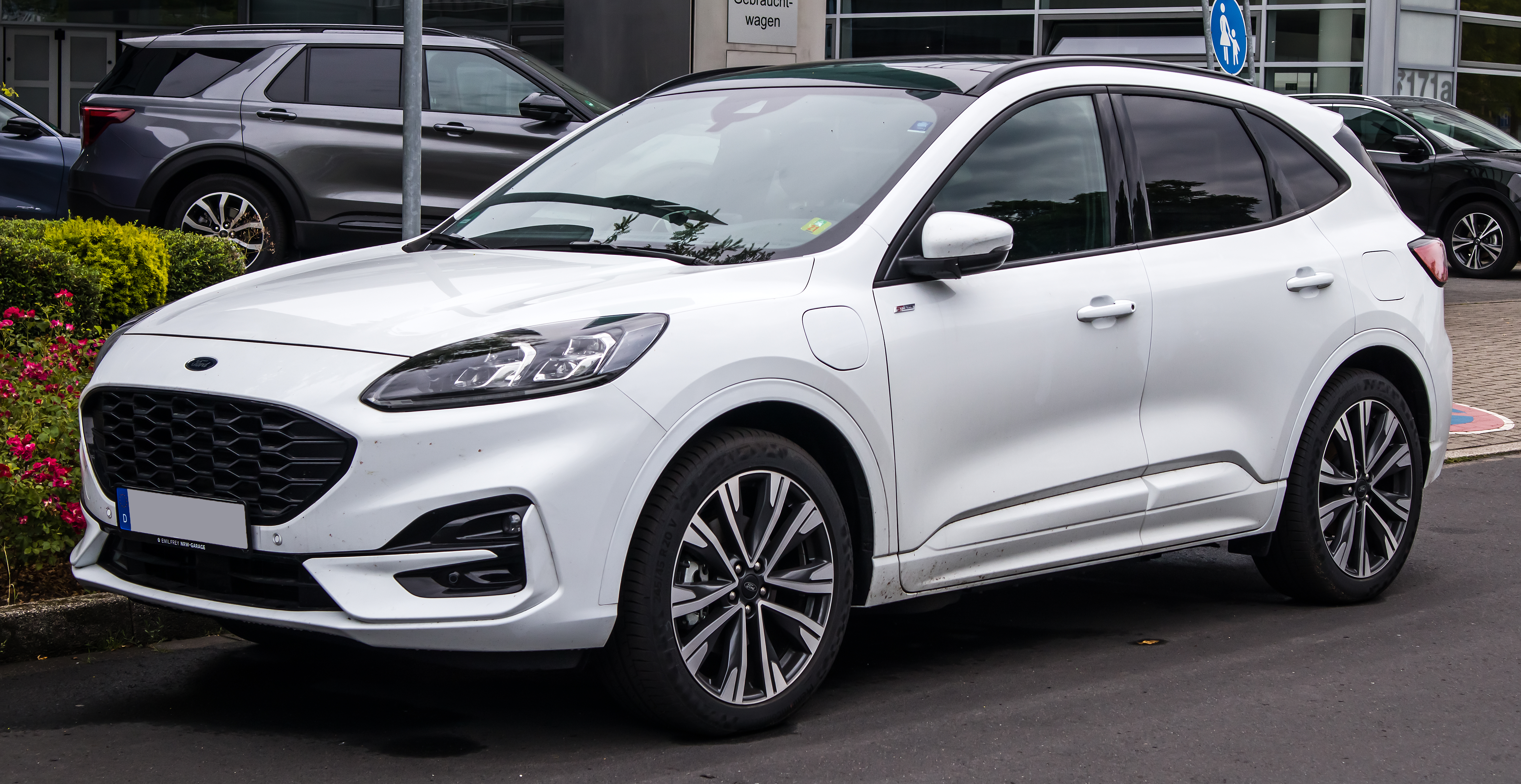
The Sport Utility Vehicle (SUV) is a dominant automotive category characterized by its elevated ride height, robust construction, and versatile cargo space. Evolving from rugged, body-on-frame designs inspired by military and off-road vehicles, modern SUVs increasingly adopt unibody construction, often termed 'crossovers' (CUVs), which blend car-like handling and fuel efficiency with the perceived utility of traditional SUVs. Globally, SUVs account for a significant portion of new vehicle sales, with figures often exceeding 30% in major markets like the United States and Europe. This segment encompasses a vast range, from compact urban explorers to full-size, three-row family haulers and high-performance luxury models, reflecting a broad spectrum of consumer needs and desires. The SUV's enduring popularity stems from its perceived safety, practicality, and commanding presence on the road, making it a cornerstone of the automotive industry.
🎵 Origins & History
The genesis of the SUV can be traced back to the early 20th century with the advent of the "station wagon" body style, often built on truck chassis. Early SUVs were predominantly body-on-frame, designed for off-road capability and towing, drawing heavily from the ruggedness of pickup trucks. The Toyota RAV4 pioneered the "crossover" segment by using unibody construction derived from passenger cars, a trend that would eventually redefine the category.
⚙️ How It Works
At its core, an SUV is defined by its elevated ground clearance and a chassis that typically provides more structural rigidity than a standard car. Traditional SUVs employ a body-on-frame construction, where the vehicle's body is mounted onto a separate, rigid ladder frame chassis, similar to that of a Ford F-Series truck. This design excels in heavy-duty applications like towing and extreme off-roading, offering superior durability and articulation. Conversely, the modern "crossover" SUV, or CUV, utilizes unibody construction, where the body and frame are integrated into a single structure, akin to most passenger cars. This approach yields a lighter vehicle with a lower center of gravity, improving on-road handling, fuel efficiency, and ride comfort, while still offering higher seating positions and more cargo volume than sedans or hatchbacks. Many SUVs feature all-wheel drive (AWD) or four-wheel drive (4WD) systems, enhancing traction in various conditions, from slippery roads to off-road trails.
📊 Key Facts & Numbers
Globally, SUVs represent a colossal segment of the automotive market. The average fuel economy for SUVs has improved, with models achieving around 24 miles per gallon (MPG) combined. Compact SUVs, such as the Honda CR-V and Toyota Corolla Cross, are the best-selling sub-segment. Luxury SUVs, like those from Porsche and Land Rover, command average transaction prices exceeding $70,000 USD.
👥 Key People & Organizations
Key figures instrumental in shaping the SUV landscape include Lee Iacocca, who championed the Ford Explorer's development, a vehicle that became a runaway success in the 1990s. Akio Toyoda, former CEO of Toyota, oversaw the brand's dominance in the SUV market with models like the Highlander and 4Runner. Elon Musk and Tesla have significantly disrupted the segment with their electric SUVs, such as the Model Y and Model X, pushing the industry towards electrification. Major automotive manufacturers like General Motors, Volkswagen Group, and Stellantis have dedicated extensive resources to their SUV lineups, recognizing their profitability and market share importance. The Jeep brand, under Stellantis, remains synonymous with off-road capability, a legacy built by pioneers like Willys-Overland.
🌍 Cultural Impact & Influence
The SUV's cultural impact is profound, transforming urban and suburban landscapes and influencing lifestyle aspirations. They have become symbols of family, adventure, and status, often replacing traditional sedans and minivans as the default choice for households. This shift is evident in media, where SUVs are frequently depicted as vehicles for active families or successful professionals. The rise of the SUV has also contributed to changes in urban planning and infrastructure, with wider roads and larger parking spaces becoming more common. Furthermore, the SUV's perceived safety, often due to their larger size and higher driving position, has become a significant purchasing factor, even if real-world safety metrics can be complex. The global proliferation of SUVs has also raised concerns about their environmental impact, fueling debates about fuel efficiency and emissions standards, as highlighted by discussions around vehicles like the Volkswagen Tiguan and Hyundai Tucson.
⚡ Current State & Latest Developments
New electric SUV models include the Ford Mustang Mach-E, Kia EV6, and Hyundai Ioniq 5. The compact and subcompact SUV segments continue to grow, driven by demand for affordability and maneuverability in urban environments, with new entries like the Subaru Solterra and Mazda CX-50 vying for consumer attention. Furthermore, there's a growing trend in performance-oriented SUVs, with brands like Mercedes-Benz and Audi introducing high-horsepower AMG and RS models, respectively.
🤔 Controversies & Debates
The SUV's dominance is not without controversy. Critics point to their disproportionately higher fuel consumption and emissions compared to smaller cars, contributing significantly to global carbon footprints, a concern amplified by the sheer volume of SUVs like the Chevrolet Tahoe and Ford Expedition on the road. Their larger size and weight also pose increased risks to pedestrians and occupants of smaller vehicles in collisions, a factor debated in safety studies. The "crossover" designation itself is a point of contention, with some arguing it dilutes the original rugged, off-road spirit of the SUV. Furthermore, the marketing of SUVs often emphasizes capabilities that most owners rarely utilize, leading to accusations of consumerism and environmental irresponsibility. The debate over whether SUVs are inherently safer or merely more imposing is ongoing, with organizations like the Insurance Institute for Highway Safety (IIHS) frequently publishing data on crashworthiness.
🔮 Future Outlook & Predictions
The future of the SUV is inextricably linked to electrification and autonomous driving technology. Expect a continued surge in electric SUVs, with manufacturers aiming to phase out internal combustion engine (ICE) variants entirely within the next decade. Battery technology advancements will likely lead to longer ranges and faster charging times, further eroding range anxiety. Autonomous driving features will become more sophisticated, potentially transforming the SUV into a mobile living space or office. The concept of "SUVs" may also evolve, with new form factors emerging that blend utility with aerodynamic efficiency and advanced connectivity. Companies like Waymo are already testing autonomous ride-hailing services using SUV platforms, hinting at a future where personal vehicle ownership might decline in favor of shared autonomous mobility. The balance between utility, efficiency, and sustainability will contin
Key Facts
- Category
- technology
- Type
- topic