
Contents
Overview
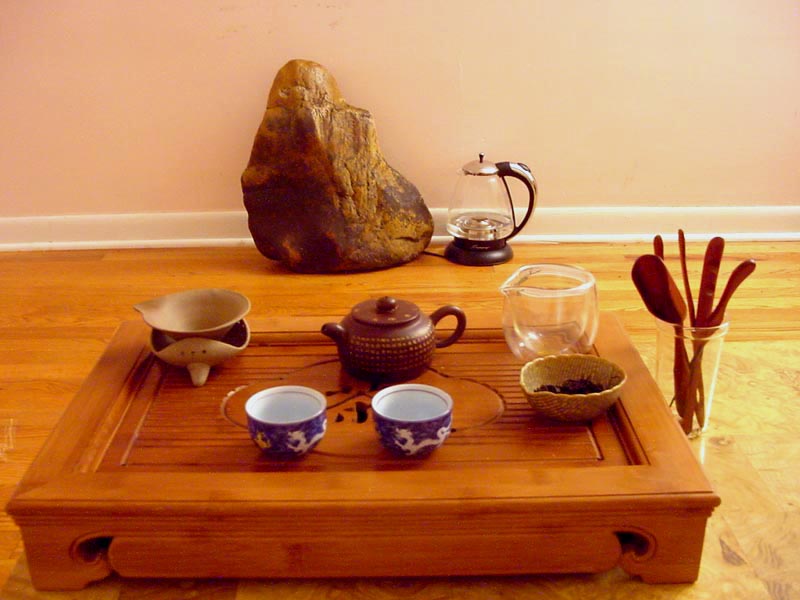
Tea brewing is a multifaceted practice encompassing a spectrum of methods designed to extract the optimal flavor and aroma from tea leaves. These techniques range from the highly ritualized Gongfu Cha of China, emphasizing precision with small vessels and potent infusions, to the simple, everyday steeping common in Western households. The choice of water temperature, steeping time, leaf-to-water ratio, and even the vessel used can dramatically alter the final cup, influencing everything from the perceived bitterness to the release of delicate aromatic compounds. Historically, brewing methods evolved alongside tea cultivation and cultural exchange, with distinct traditions emerging in regions like China, Japan, India, and the UK. Today, a global community of tea enthusiasts, scientists, and producers continues to explore and refine these techniques, driven by a desire to understand the complex chemistry of tea and to unlock its full sensory potential.
🎵 Origins & History
The history of tea brewing is intertwined with its discovery and cultivation. The Yixing clay teapot became a cornerstone of Chinese tea culture. From China, brewing techniques spread across Asia, notably to Japan where Sen no Rikyū is credited with formalizing the aesthetic and spiritual dimensions of the Chanoyu, and then to the rest of the world through trade routes and colonial expansion, each region adapting the practice to local tastes and available resources.
⚙️ How It Works
At its core, tea brewing is a process of extraction. Hot water acts as a solvent, dissolving water-soluble compounds from the tea leaves, including theanine for umami, catechins for bitterness and astringency, and volatile aromatic compounds responsible for fragrance. The key variables are water temperature, steeping time, and the leaf-to-water ratio. Different types of tea require specific conditions: delicate white teas and green teas generally benefit from cooler water and shorter steeping times to avoid scalding the leaves and releasing excessive tannins. Robust black teas and oolong teas can handle hotter water and longer steeping times to fully develop their complex flavors. Tisanes, often not true teas, may have entirely different optimal brewing parameters.
📊 Key Facts & Numbers
Globally, tea consumption is vast. The Gongfu Cha method, for instance, often uses a higher leaf-to-water ratio compared to the typical Western ratio. A single serving of oolong tea might be steeped multiple times, with each infusion revealing different flavor nuances. Studies suggest that optimal extraction of beneficial compounds like EGCG occurs within specific temperature and time windows for many green teas. The deeply ingrained nature of tea brewing in daily life is evident in various cultures.
👥 Key People & Organizations
While no single individual 'invented' tea brewing, figures like Sen no Rikyū in Japan are credited with formalizing its aesthetic and spiritual dimensions. In contemporary tea culture, influential figures advocate for mindful consumption and exploration of diverse tea origins. Organizations like the Specialty Tea Institute and the World Tea Expo play crucial roles in educating professionals and consumers, promoting quality standards, and fostering innovation. Tea masters, such as Wu De, author of 'The Art of Tea', have dedicated their lives to preserving and sharing traditional brewing philosophies, particularly Gongfu Cha.
🌍 Cultural Impact & Influence
Tea brewing techniques have profoundly shaped global culture, influencing social customs, hospitality, and even art. The Japanese tea ceremony integrates aesthetics, mindfulness, and social interaction into a highly refined ritual. In Britain, the afternoon tea tradition became a significant social event. The meticulous nature of Gongfu Cha has inspired a global appreciation for the sensory experience of tea, moving beyond mere beverage consumption to a form of connoisseurship. The visual appeal of brewing, from the unfurling leaves in a glass teapot to the intricate movements of a tea master, has also been a recurring motif in art, literature, and film across various cultures.
⚡ Current State & Latest Developments
The current landscape of tea brewing is characterized by a growing interest in single-origin teas and artisanal methods. Specialty tea shops and online retailers are increasingly offering detailed brewing guides and high-quality equipment, catering to a discerning consumer base. There's a noticeable trend towards understanding the specific terroir and processing methods of teas, which directly informs brewing choices. For instance, the rise of Pu-erh tea has seen a resurgence in traditional pressing and aging techniques, alongside modern approaches to brewing this fermented tea. Furthermore, advancements in smart home technology have led to the development of precision kettles and automated brewers that can maintain exact temperatures and timings, appealing to both novice and experienced brewers seeking consistency.
🤔 Controversies & Debates
Debates surrounding tea brewing often center on authenticity versus innovation. Purists argue for strict adherence to traditional methods, particularly for revered practices like Gongfu Cha or Chanoyu, emphasizing the historical and cultural significance of specific rituals and equipment. Conversely, modernists advocate for experimentation, using new technologies and adapting techniques to suit contemporary lifestyles and diverse tea types, sometimes leading to accusations of diluting tradition. Another point of contention is the 'correct' water temperature and steeping time for specific teas, with different schools of thought and regional variations often leading to passionate disagreements among enthusiasts and experts. The role of additives, such as milk and sugar, in certain teas like English Breakfast tea, also sparks debate about whether they enhance or mask the tea's intrinsic qualities.
🔮 Future Outlook & Predictions
The future of tea brewing will likely see a greater integration of scientific understanding with traditional practices. Research into the chemical compounds in tea and their interaction with brewing parameters is expected to yield more precise recommendations for optimal flavor extraction. We may see the rise of AI-powered brewing devices that can analyze tea types and suggest personalized brewing profiles. Furthermore, the emphasis on sustainability and ethical sourcing will continue to influence brewing choices, with consumers increasingly seeking methods and equipment that align with these values. The exploration of less common tea varieties and the revival of forgotten brewing techniques from regions like Central Asia and Eastern Europe could also become more prominent, expanding the global repertoire of tea preparation.
💡 Practical Applications
Tea brewing techniques are not merely academic pursuits; they have direct practical applications in homes, cafes, and restaurants worldwide. For the home brewer, understanding basic techniques can transform a daily ritual into a more enjoyable and flavorful experience, whether it's making a simple cup of Earl Grey or experimenting with loose-leaf Darjeeling. In the hospitality industry, skilled tea preparation is a key differentiator, enhancing customer satisfaction and brand reputation. Specialty tea shops often offer brewing demonstrations and workshops, educating consumers and driving sales of premium teas and brewing accessories. The principles of controlled extraction also extend to other infusions, such as coffee brewing and herbal remedies.
Key Facts
- Category
- culture
- Type
- topic