
Contents
Overview
The concept of remote medical consultation isn't new; early forms emerged in the late 19th century with the use of telegraphy and radio for medical advice. However, modern telemedicine truly began to take shape in the mid-20th century. The NASA's Project ECHO in the 1960s explored transmitting medical data from remote locations to physicians, laying groundwork for real-time remote diagnosis. By the 1970s, systems like the Massachusetts General Hospital's 'Teleradiology' project demonstrated the feasibility of transmitting X-rays over telephone lines. The advent of personal computers and the internet in the late 20th century provided the technological backbone for broader implementation, though regulatory hurdles and limited internet connectivity remained significant barriers until the early 21st century.
⚙️ How It Works
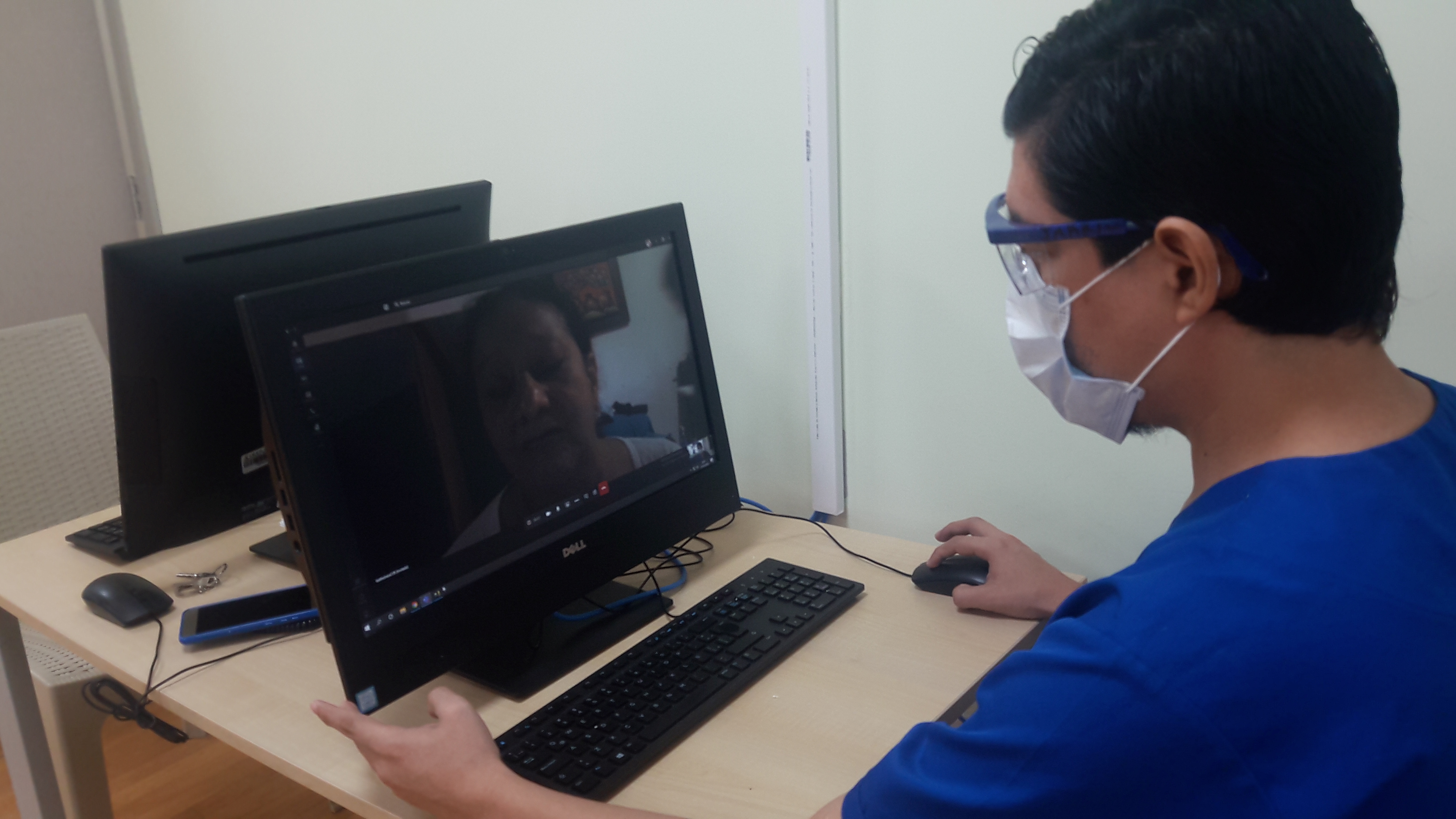
At its core, telemedicine functions by establishing a secure digital connection between a healthcare provider and a patient. This typically involves a video conferencing platform, allowing for virtual face-to-face consultations where physicians can observe symptoms, discuss medical history, and provide diagnoses. Beyond video calls, telemedicine integrates various technologies: remote patient monitoring devices (like wearable sensors for heart rate or glucose levels) transmit real-time data to clinicians; electronic health records (EHRs) facilitate seamless sharing of patient information; and specialized diagnostic tools can be operated remotely. Secure data encryption protocols are paramount to protect sensitive patient information, ensuring compliance with regulations like HIPAA in the United States.
📊 Key Facts & Numbers
The scale of telemedicine adoption is staggering. Global telemedicine market revenue was valued at approximately $29.5 billion in 2020 and is projected to reach over $370 billion by 2030, exhibiting a compound annual growth rate (CAGR) of over 28%. During the peak of the COVID-19 pandemic, some studies reported a 60-fold increase in telemedicine utilization compared to pre-pandemic levels, with certain specialties seeing over 80% of visits conducted remotely. The average cost savings per patient visit through telemedicine can range from $15 to $100, depending on the service. By 2023, an estimated 76% of US hospitals were utilizing telehealth services, a dramatic surge from just 49% in 2019, according to the American Hospital Association.
👥 Key People & Organizations
Pioneers in early telemedicine efforts include Dr. Kenneth Bird, who led NASA's Project ECHO, and Dr. Edward Scanlon, an early proponent of teleradiology. Organizations like the American Telemedicine Association (ATA) have been instrumental in advocating for telemedicine policies and standards since its founding in 1993. Major technology providers such as Teladoc Health, Amwell, and Doctor On Demand have emerged as leaders in offering direct-to-consumer telemedicine platforms, while established healthcare systems like Kaiser Permanente have integrated telemedicine extensively into their patient care models. Regulatory bodies like the U.S. Food and Drug Administration (FDA) and the Centers for Medicare & Medicaid Services (CMS) play crucial roles in shaping its implementation and reimbursement.
🌍 Cultural Impact & Influence
Telemedicine has profoundly reshaped patient expectations and the healthcare experience. It has democratized access to specialists, breaking down geographical barriers that once limited care to urban centers. For patients with chronic conditions, continuous remote monitoring via telemedicine platforms has led to better disease management and fewer hospital readmissions, as seen in studies on diabetes management and heart failure monitoring. The convenience of receiving care from home has also improved patient satisfaction scores and adherence to treatment plans. Culturally, it has fostered a greater sense of patient empowerment, allowing individuals to take a more active role in managing their health through accessible digital tools and information provided via patient portals.
⚡ Current State & Latest Developments
The current landscape of telemedicine is dynamic, marked by ongoing integration into routine care. Many health systems are now offering hybrid models, combining in-person visits with virtual appointments to optimize patient flow and resource allocation. The U.S. Department of Health and Human Services (HHS) has made efforts to permanently expand Medicare coverage for telehealth services post-pandemic, signaling a shift towards sustained adoption. Innovations continue with the development of AI-powered diagnostic tools that can assist in remote assessments and the increasing use of virtual reality for therapeutic interventions and surgical training. Companies are also focusing on expanding telemedicine to underserved populations and addressing the digital divide through community-based initiatives.
🤔 Controversies & Debates
Despite its successes, telemedicine faces significant controversies. The primary debate centers on equitable access, particularly for individuals lacking reliable internet access, digital literacy, or appropriate devices—the so-called 'digital divide.' Concerns also persist regarding the quality of care compared to in-person visits, especially for complex diagnoses or procedures requiring physical examination. Privacy and data security remain paramount, with ongoing discussions about the robustness of cybersecurity measures protecting sensitive patient data from breaches. Furthermore, the reimbursement landscape, while improving, can still be inconsistent across different payers and states, creating financial uncertainties for providers and impacting service availability.
🔮 Future Outlook & Predictions
The future of telemedicine points towards deeper integration and more sophisticated applications. Expect a rise in AI-driven diagnostics and personalized treatment plans delivered remotely. The expansion of remote surgery through advanced robotics and haptic feedback systems, while still nascent, holds immense potential for reaching remote surgical expertise. Wearable technology will become even more integrated, providing continuous streams of health data for predictive analytics and proactive interventions. Regulatory frameworks will continue to evolve, aiming to balance innovation with patient safety and privacy, potentially leading to more standardized national or international guidelines for telemedicine practice and reimbursement, further solidifying its role as a cornerstone of future healthcare delivery.
💡 Practical Applications
Telemedicine's practical applications span nearly every medical discipline. Primary care physicians use it for routine check-ups, prescription refills, and managing common illnesses. Specialists leverage it for follow-up appointments, reviewing test results, and providing expert consultations across distances. Mental health services have seen a massive uptake in telemedicine, with online therapy platforms becoming a primary mode of access for many. Dermatology benefits from remote visual assessment of skin conditions, while cardiology utilizes remote monitoring of pacemakers and ECGs. Even fields like physical therapy are adapting, with practitioners guiding patients through exercises via video calls. Telemedicine is also crucial in disaster relief and remote fieldwork, providing medical support where traditional infrastructure is unavailable.
Key Facts
- Category
- technology
- Type
- topic