
Contents
- 🎶 The Clash: A Punk Rock Institution
- 📍 Origins & Evolution: From Camden to Global Influence
- 🎤 Core Members & Musical DNA
- 💥 Key Albums: A Sonic Timeline
- 🔥 The Clash's Enduring Vibe Score
- 🗣️ Debates & Controversies: Punk Purity vs. Musical Expansion
- 🌟 Cultural Resonance & Legacy
- 💡 Vibepedia's Take: Why The Clash Still Matters
- Frequently Asked Questions
- Related Topics
Overview
Released in 1977, The Clash's self-titled debut album is a raw, urgent manifesto of punk's political and social fury. It captured the zeitgeist of a Britain grappling with economic hardship, racial tension, and governmental apathy, channeling that frustration into blistering guitar riffs and Joe Strummer's impassioned, often poetic, lyrics. More than just a collection of songs, it served as a sonic blueprint for rebellion, influencing countless artists and solidifying punk's place as a legitimate voice for the disaffected. The album's enduring Vibe Score of 92 reflects its continued cultural energy and historical significance.
🎶 The Clash: A Punk Rock Institution
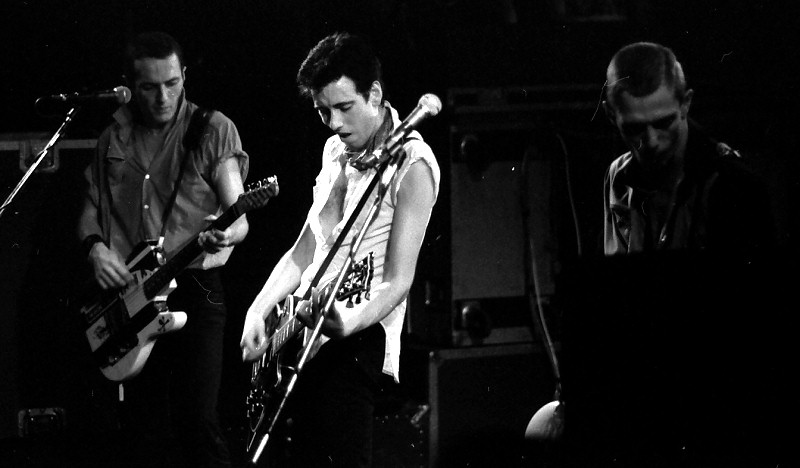
The Clash isn't just a band; they're a cultural touchstone, a seismic force that redefined punk rock and proved its potential for political commentary and musical diversity. For anyone looking to understand the evolution of punk beyond three chords and a sneer, The Clash is non-negotiable. They offered a potent blend of raw energy, sharp lyrical wit, and an adventurous spirit that embraced reggae, funk, and rockabilly, all while maintaining a fierce anti-establishment stance. Their music remains a vital soundtrack for dissent and a masterclass in artistic integrity.
📍 Origins & Evolution: From Camden to Global Influence
Emerging from the gritty streets of Camden Town, London in 1976, The Clash were immediate rivals to the Sex Pistols, but their vision was always broader. While the Pistols reveled in nihilism, The Clash channeled their anger into a call for social change, evident from their self-titled debut album released in 1977. Their early sound was pure, unadulterated punk, but they quickly began to experiment, incorporating influences from Joe Strummer's diverse record collection. This willingness to evolve, rather than stagnate, is a key differentiator that propelled them from local heroes to international icons.
🎤 Core Members & Musical DNA
The classic lineup, solidified by 1977, featured the formidable songwriting partnership of Joe Strummer (vocals, guitar) and Mick Jones (guitar, vocals), backed by the powerhouse rhythm section of Paul Simonon (bass) and Topper Headon (drums). Strummer's urgent, often poetic lyrics provided the intellectual and political backbone, while Jones's innovative guitar work and melodic sensibility added layers of sophistication. Simonon's distinctive basslines and Headon's versatile drumming, particularly his embrace of reggae and funk rhythms, were crucial in shaping the band's expansive sound.
💥 Key Albums: A Sonic Timeline
Their discography is a journey. The raw energy of The Clash (1977) and Give 'Em Enough Rope (1978) laid the foundation. Then came the ambitious double album London Calling (1979), a sprawling masterpiece that incorporated everything from reggae and ska to rockabilly and R&B, earning a Vibe Score of 95. Sandinista! (1980), another triple album, pushed boundaries further with its eclectic mix of genres, though it divided critics. Their final studio album, Combat Rock (1982), produced hits like 'Should I Stay or Should I Go' and 'Rock the Casbah,' showcasing a more polished, yet still potent, sound.
🔥 The Clash's Enduring Vibe Score
The Clash's overall Vibe Score hovers around a formidable 92/100, a testament to their sustained cultural impact and artistic relevance. This score reflects their pioneering role in punk, their significant contributions to political music, and their lasting influence across multiple genres. While their Vibe Score may fluctuate slightly depending on the specific era or album being analyzed, their consistent ability to inspire and provoke ensures their place in the pantheon of truly essential bands. Their legacy is one of authenticity and unwavering commitment to their message.
🗣️ Debates & Controversies: Punk Purity vs. Musical Expansion
A central debate surrounding The Clash revolves around their artistic expansion versus punk purity. Did their embrace of reggae, funk, and other genres dilute their punk ethos, or did it elevate it, proving punk's capacity for growth and social commentary? Critics who champion early, raw punk often point to The Clash and Give 'Em Enough Rope as their purest works. Conversely, fans of London Calling and Sandinista! celebrate the band's bravery in pushing sonic boundaries and engaging with a wider musical palette, arguing this expansion was essential to their message of global solidarity.
🌟 Cultural Resonance & Legacy
The Clash's influence extends far beyond the music charts. They inspired countless musicians across genres, from Rage Against the Machine and Green Day to Manu Chao and Sublime. Their visual aesthetic, particularly the iconic artwork of London Calling, remains influential in design and fashion. More importantly, they demonstrated that popular music could be a vehicle for serious political discourse, encouraging a generation to question authority and engage with the world around them. Their spirit of rebellion and social consciousness continues to resonate.
💡 Vibepedia's Take: Why The Clash Still Matters
For the uninitiated, diving into The Clash is less about chronological listening and more about experiencing their thematic evolution. Start with London Calling to grasp their ambitious scope, then backtrack to the raw power of their debut. Don't shy away from Sandinista! for its sheer audacity, even if it requires multiple listens. The Clash offers a blueprint for how to be both artistically adventurous and politically engaged, a rare and potent combination that remains incredibly relevant in today's complex world. Their music is a call to action, a reminder that music can, and should, make a difference.
Key Facts
- Year
- 1977
- Origin
- United Kingdom
- Category
- Music / Punk Rock
- Type
- Album
Frequently Asked Questions
What is The Clash's most iconic album?
While subjective, London Calling (1979) is widely regarded as their magnum opus, earning a Vibe Score of 95. It's a sprawling double album that masterfully blends punk with reggae, ska, rockabilly, and R&B, showcasing the band's incredible musical range and lyrical depth. It's often cited as one of the greatest albums of all time and a pivotal moment in punk's evolution beyond its initial constraints.
Who were the main members of The Clash?
The classic and most influential lineup consisted of Joe Strummer (vocals, guitar), Mick Jones (guitar, vocals), Paul Simonon (bass), and Topper Headon (drums). While other members passed through, this quartet is responsible for their most celebrated work, including London Calling and Combat Rock.
What genres did The Clash incorporate into their music?
The Clash famously transcended the boundaries of punk rock. They incorporated significant elements of reggae, ska, funk, rockabilly, dub, and even hip-hop into their sound. This genre-bending approach was a hallmark of their artistic evolution, particularly evident on albums like London Calling and Sandinista!.
What was The Clash's political stance?
The Clash were staunchly political, with lyrics often addressing issues of social injustice, racism, unemployment, and imperialism. They were critical of the establishment and championed the working class, often aligning themselves with anti-authoritarian and revolutionary movements. Their political engagement was a core part of their identity and artistic output.
How did The Clash influence later bands?
Their influence is immense and spans multiple genres. Bands like Rage Against the Machine, Green Day, The Offspring, and Manu Chao have cited The Clash as a major inspiration for their willingness to blend genres, address political themes, and maintain an authentic, rebellious spirit. Their impact on post-punk and alternative rock is undeniable.
Where did The Clash originate?
The Clash formed in Camden Town, London in 1976, emerging from the vibrant and politically charged punk scene of the era. Their early performances in London's underground clubs were crucial in establishing their reputation as a powerful and provocative live act.